 Lily’s Portfolio
Hi, I’m Lily. I’m a sophomore at Stanford studying Design (AI + UX) with a minor in Symbolic Systems (HCI), class of 2029.

In my free time, you can find me:
Designing
for brands, concepts, and everyday experiences
I make visual design systems for brands: identity, product UI, and the collaterals that carry them.
dazi
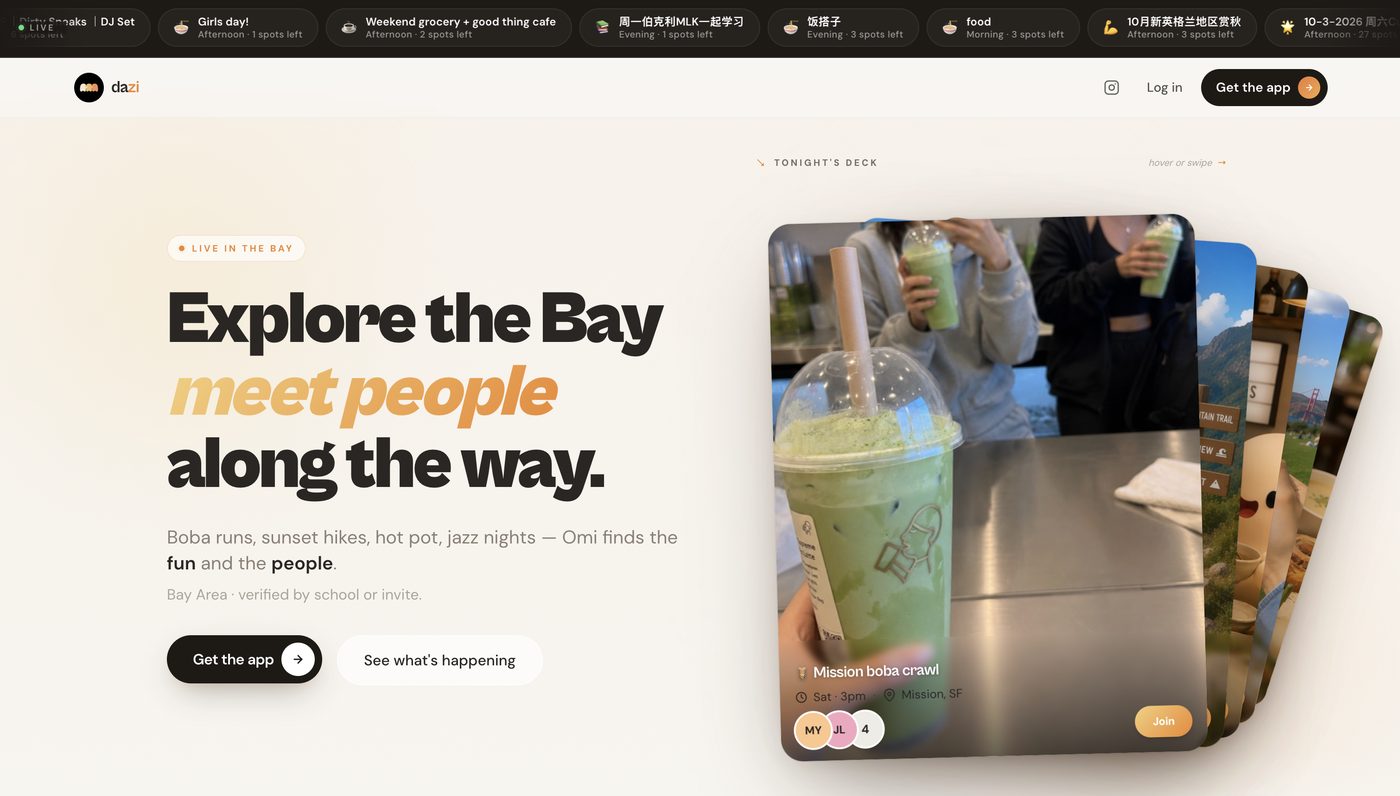
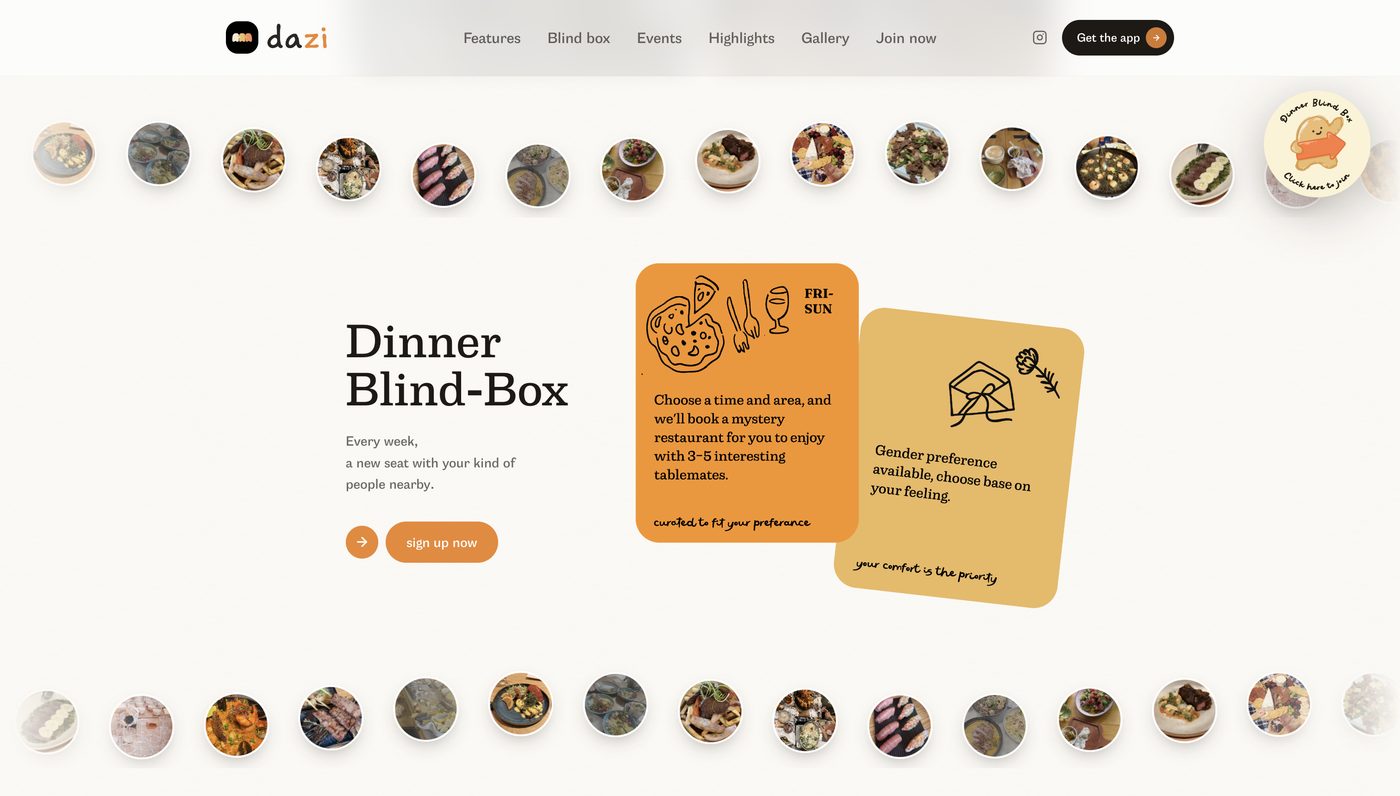
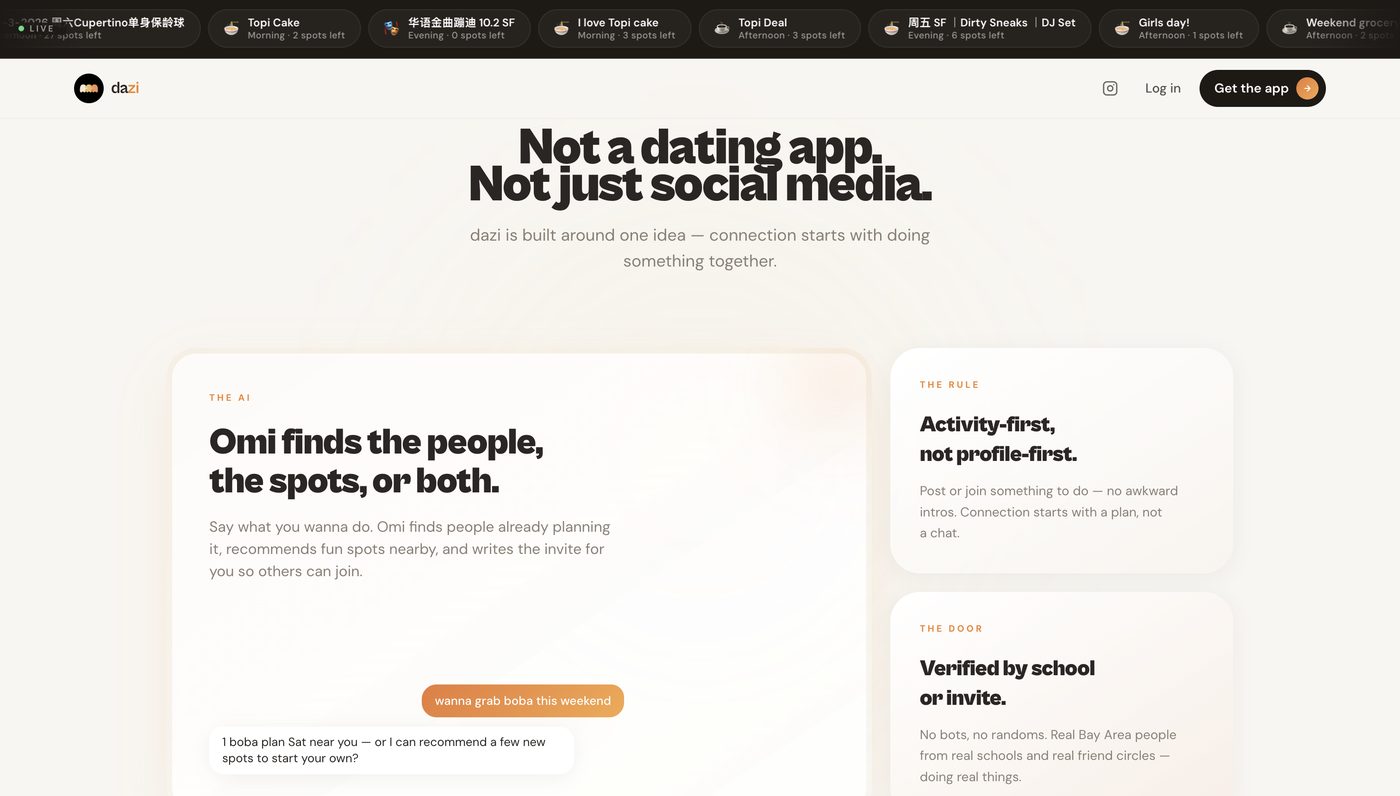
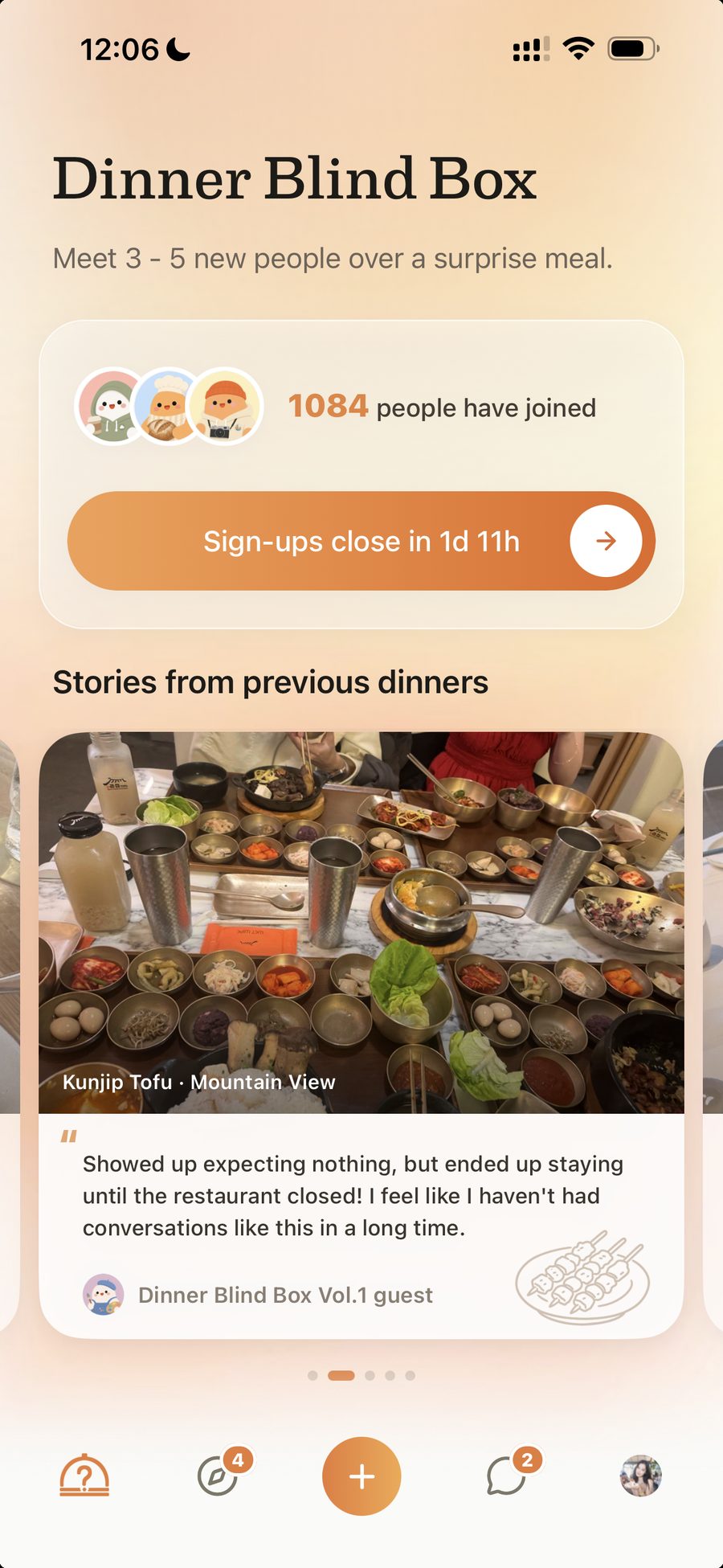
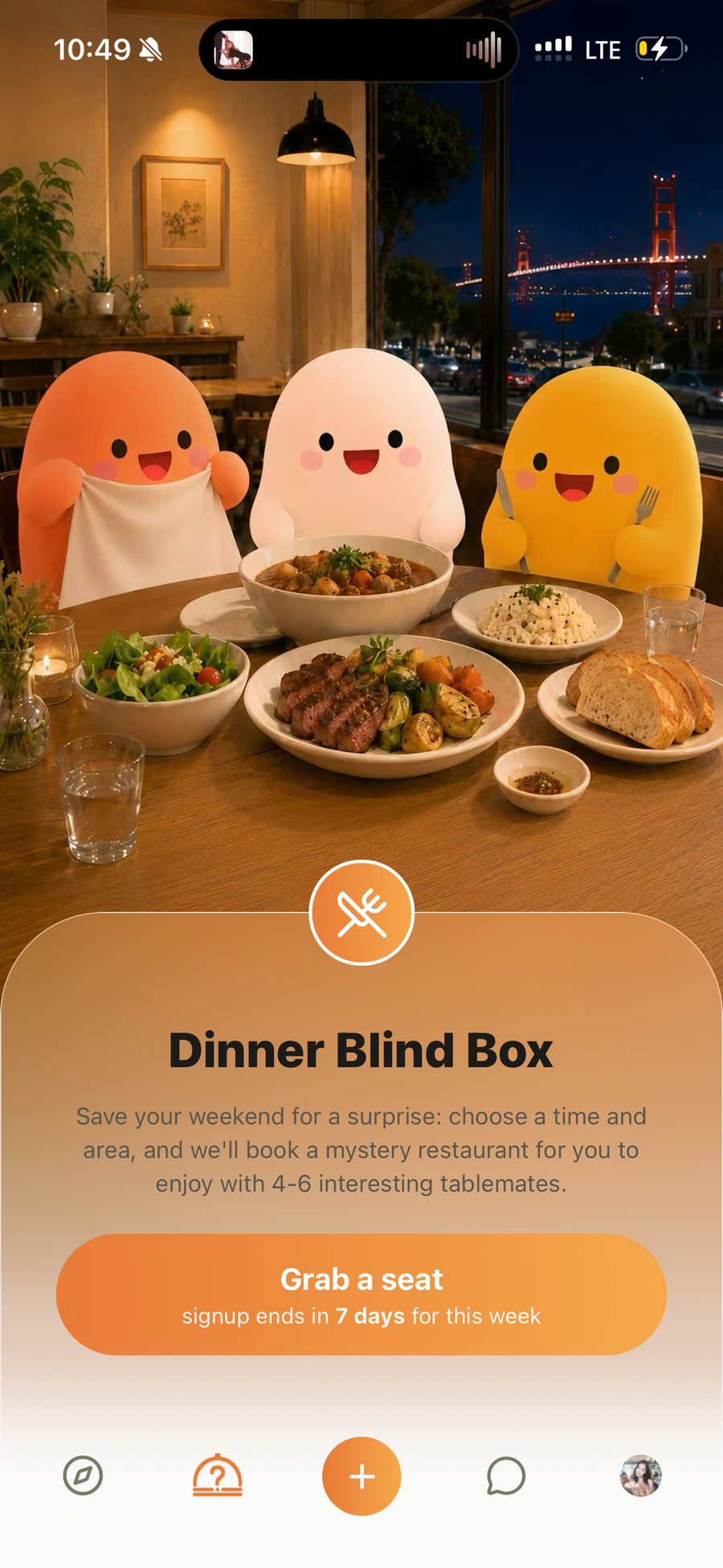
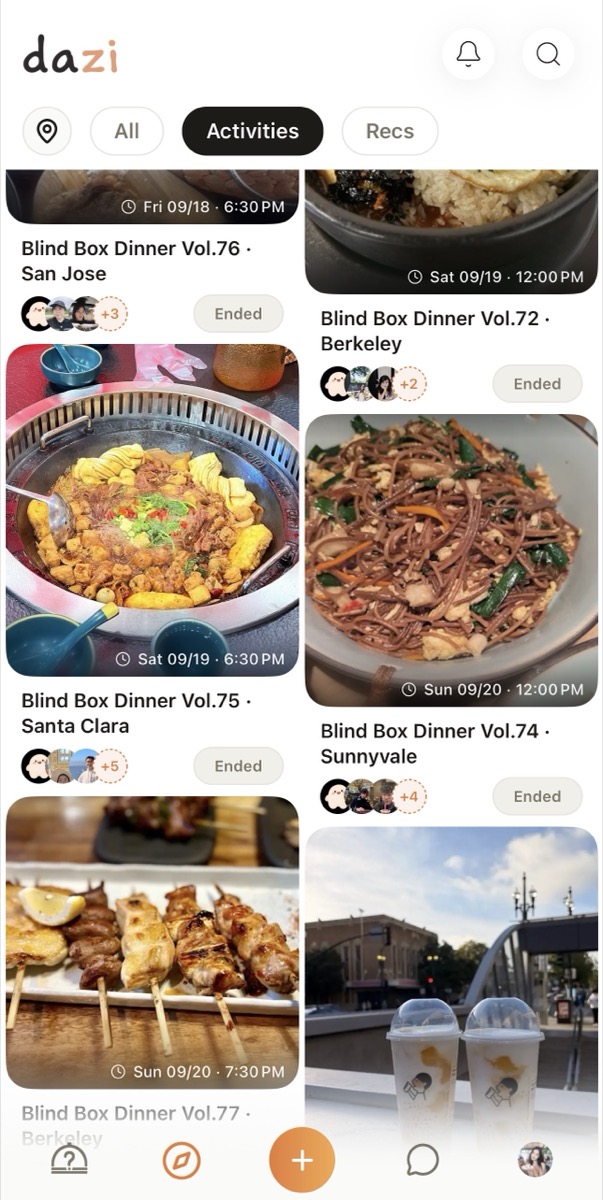
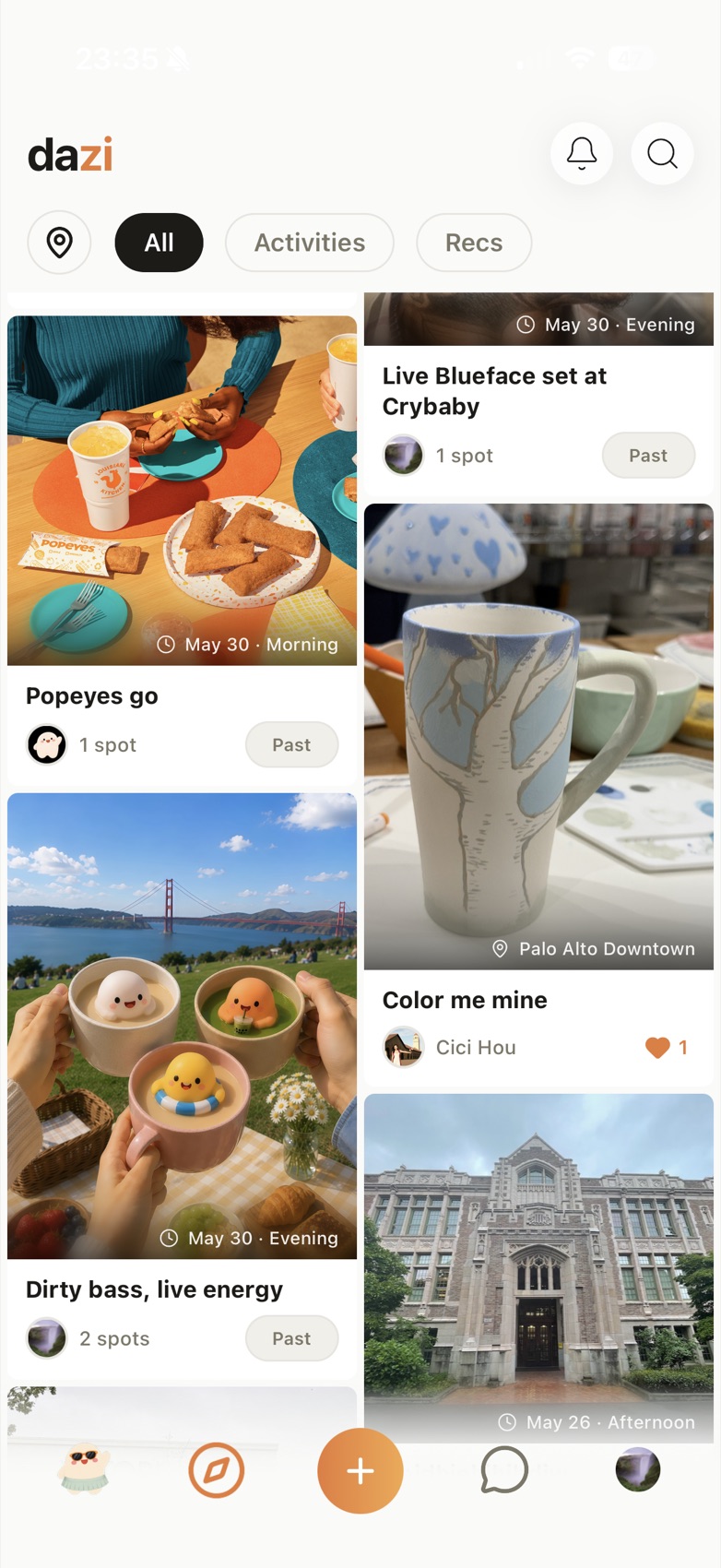
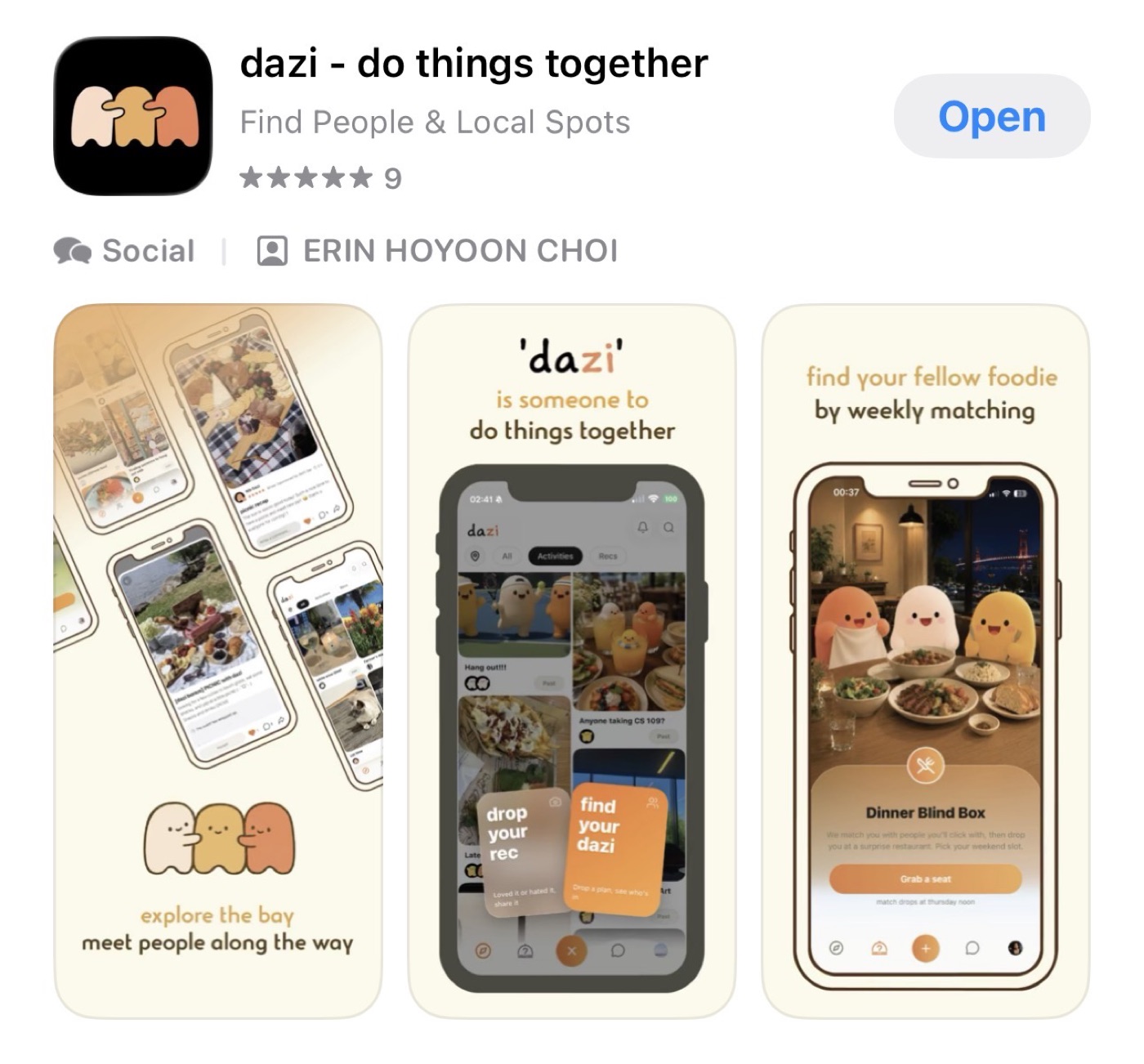
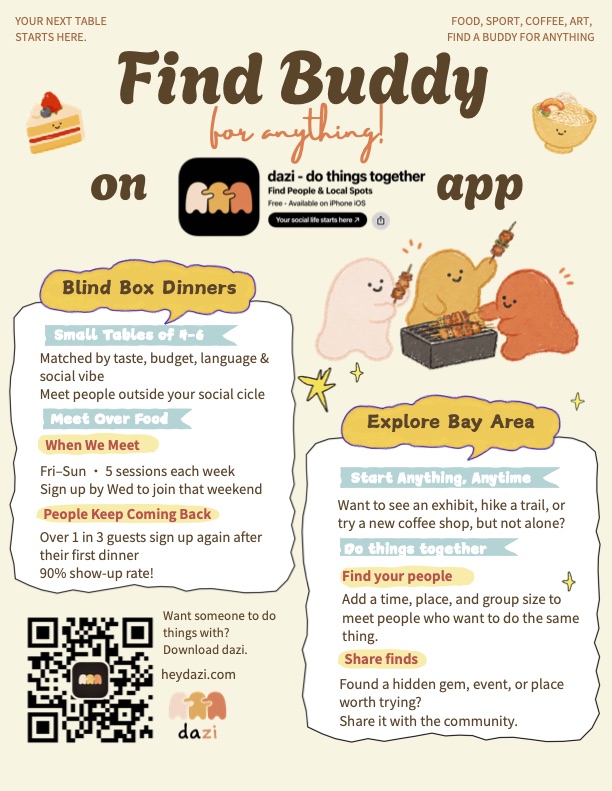
dazi is an app for people in the Bay Area to meet in person. We host weekly dinners for strangers to meet each other, and people can post to find buddies to do things together
I joined the dazi team before it launched, started as a designer, and later acquired the role of CMO. And here are some things that I built in the process:
 the mark · click to see what it used to look like
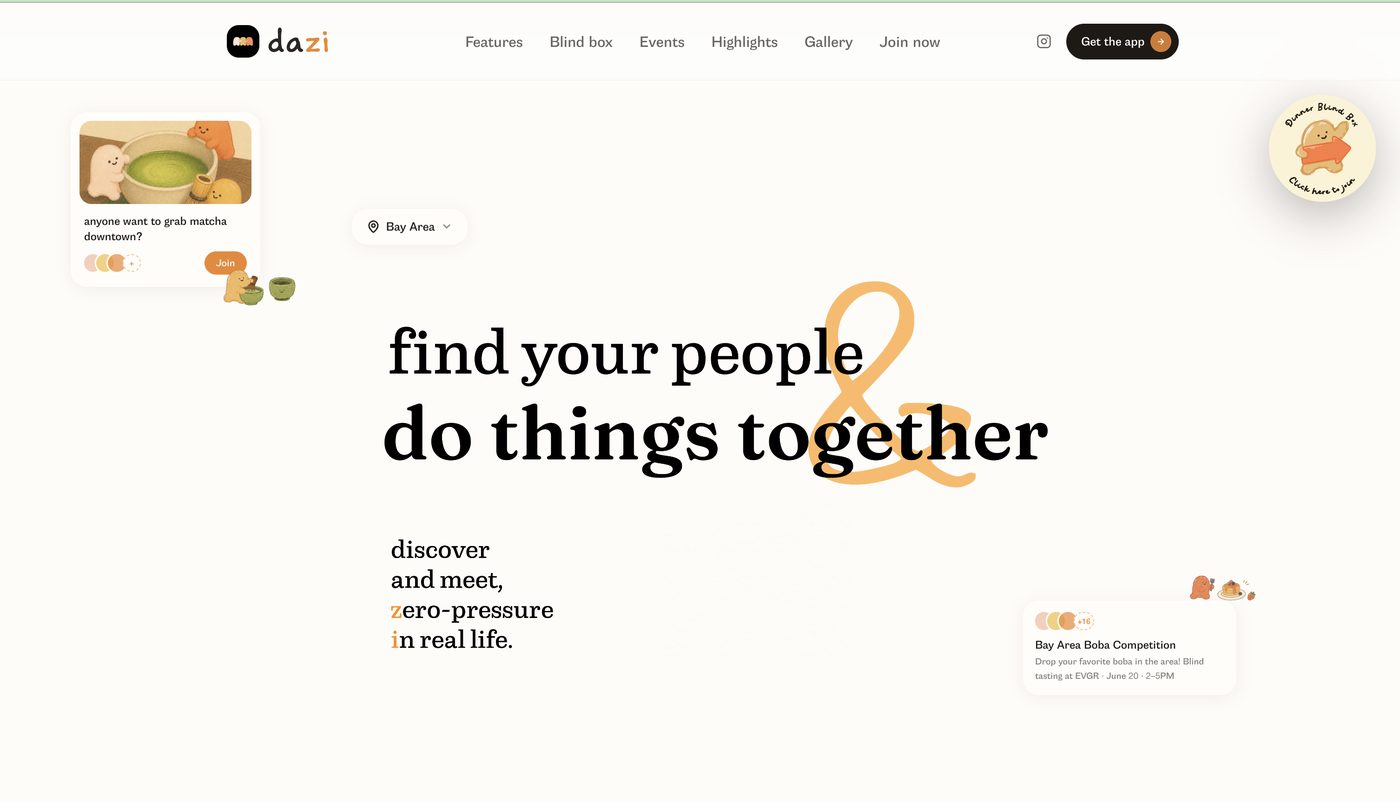
The site
Built in React and TypeScript
The product
Mascot & IP
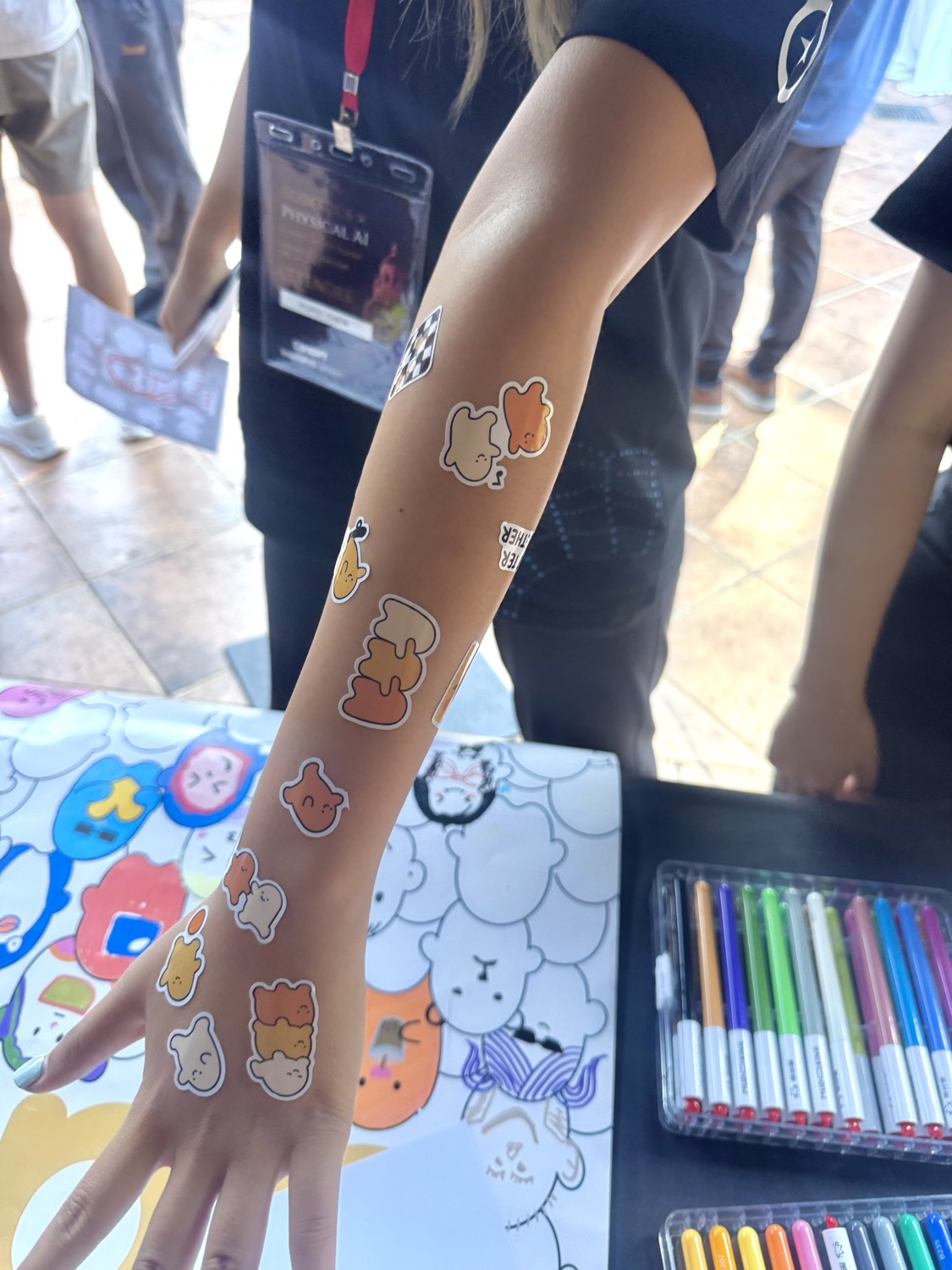
Revamped the mascot and visual design of dazi IP, making series of distinguished, consistent assets for design
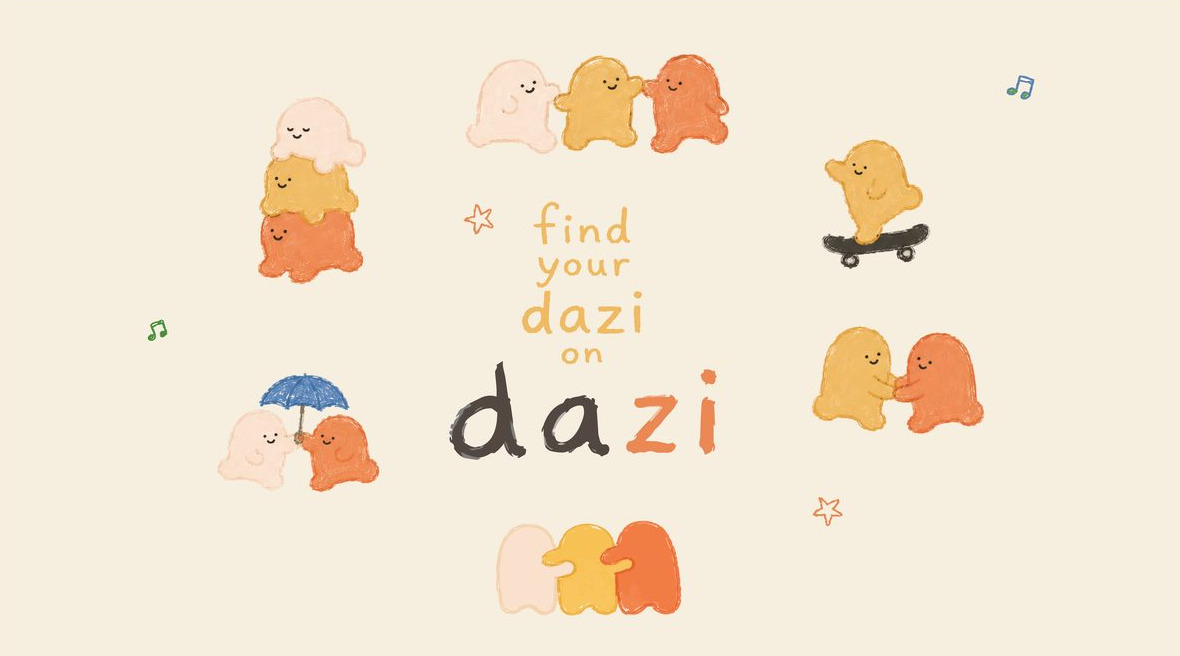
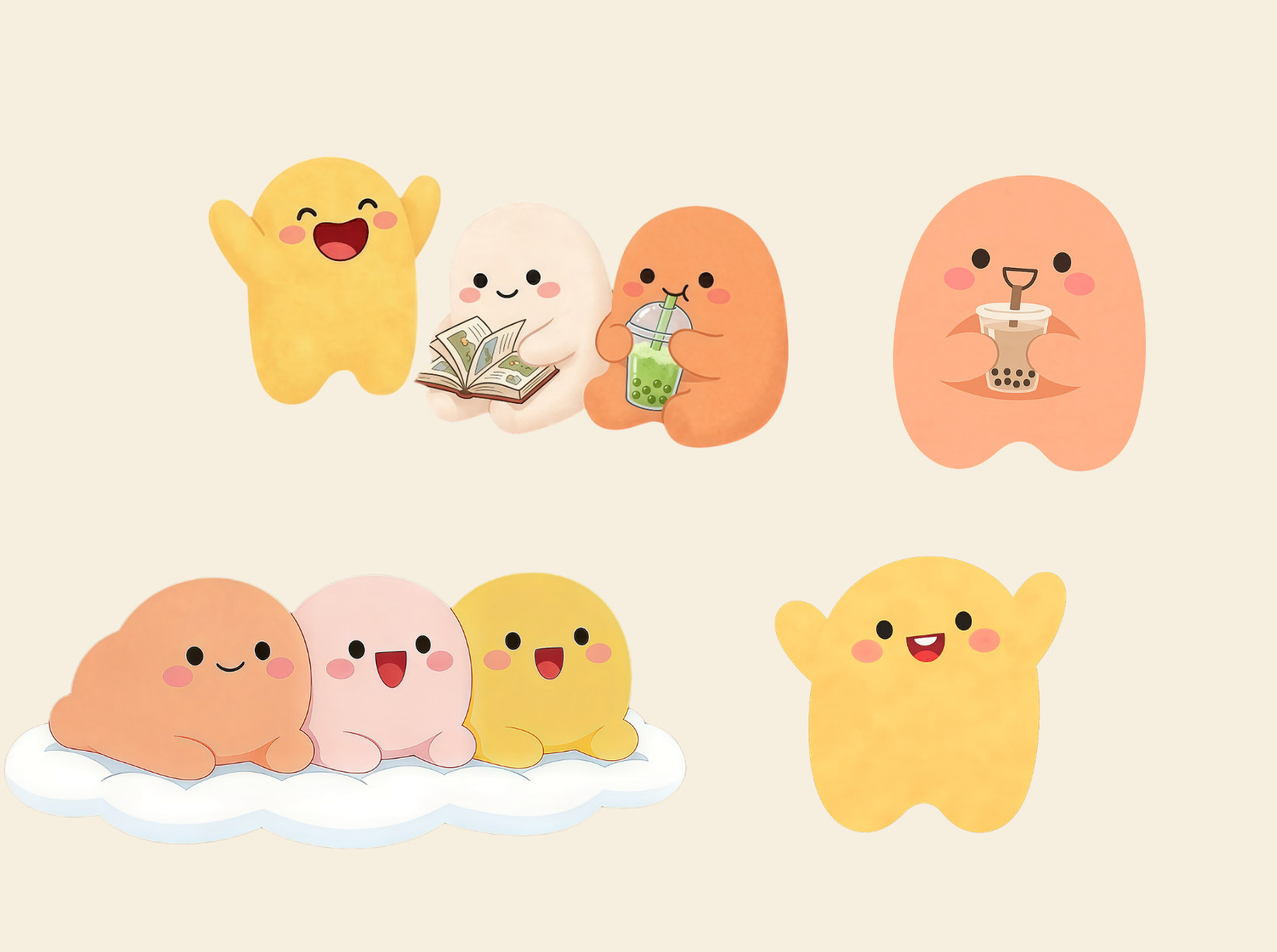 the cast · click to see what it used to look like
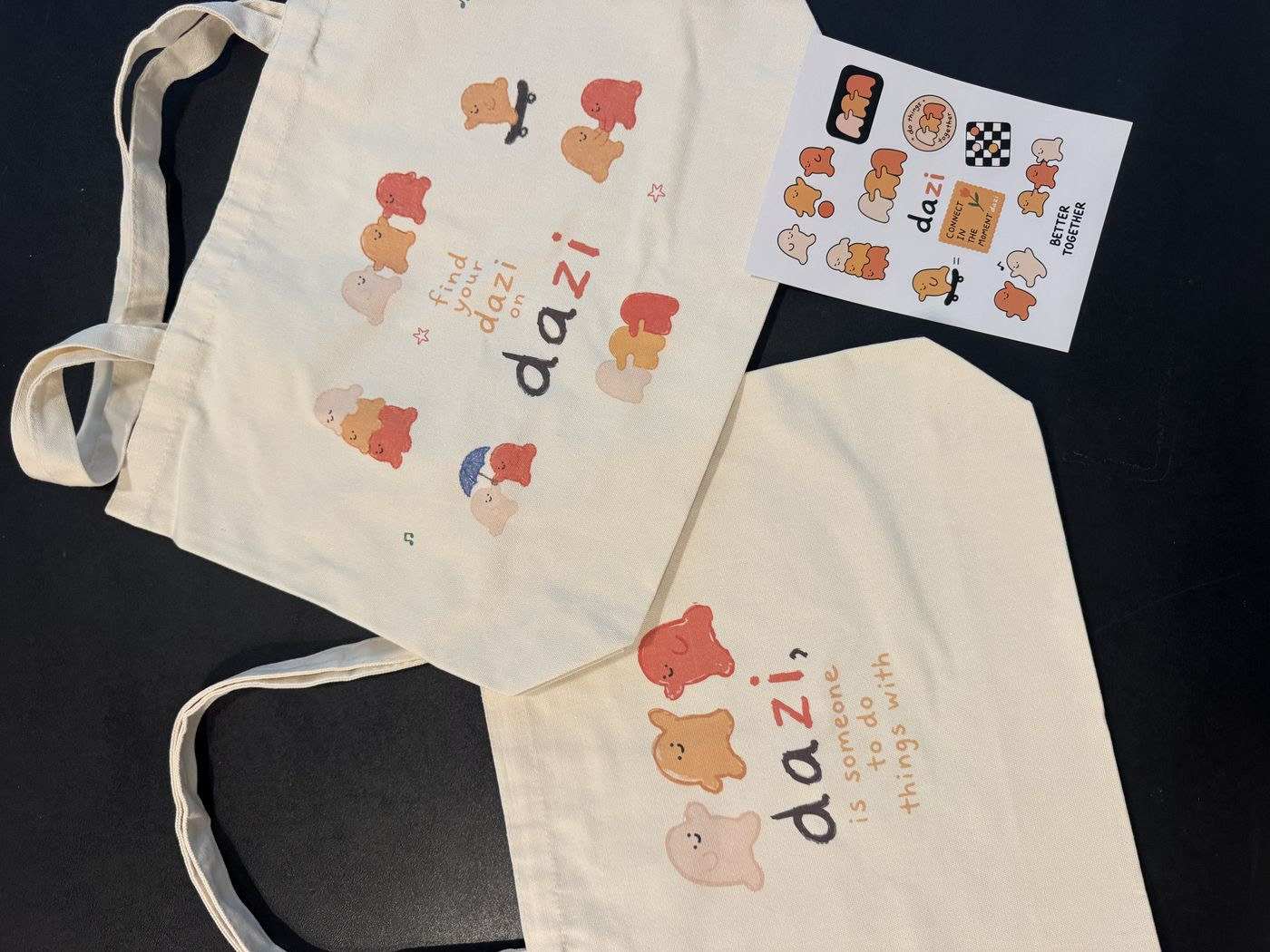
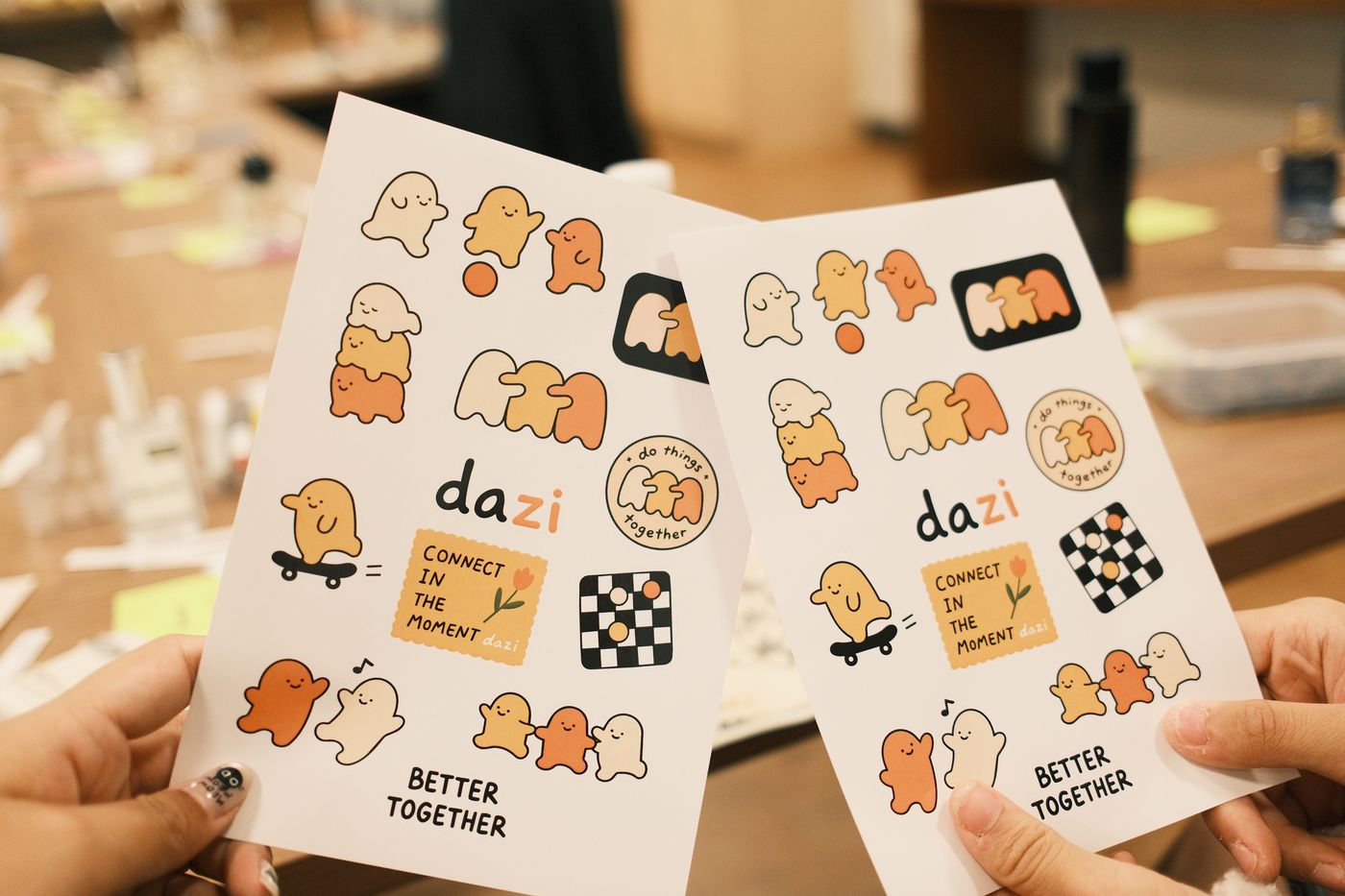
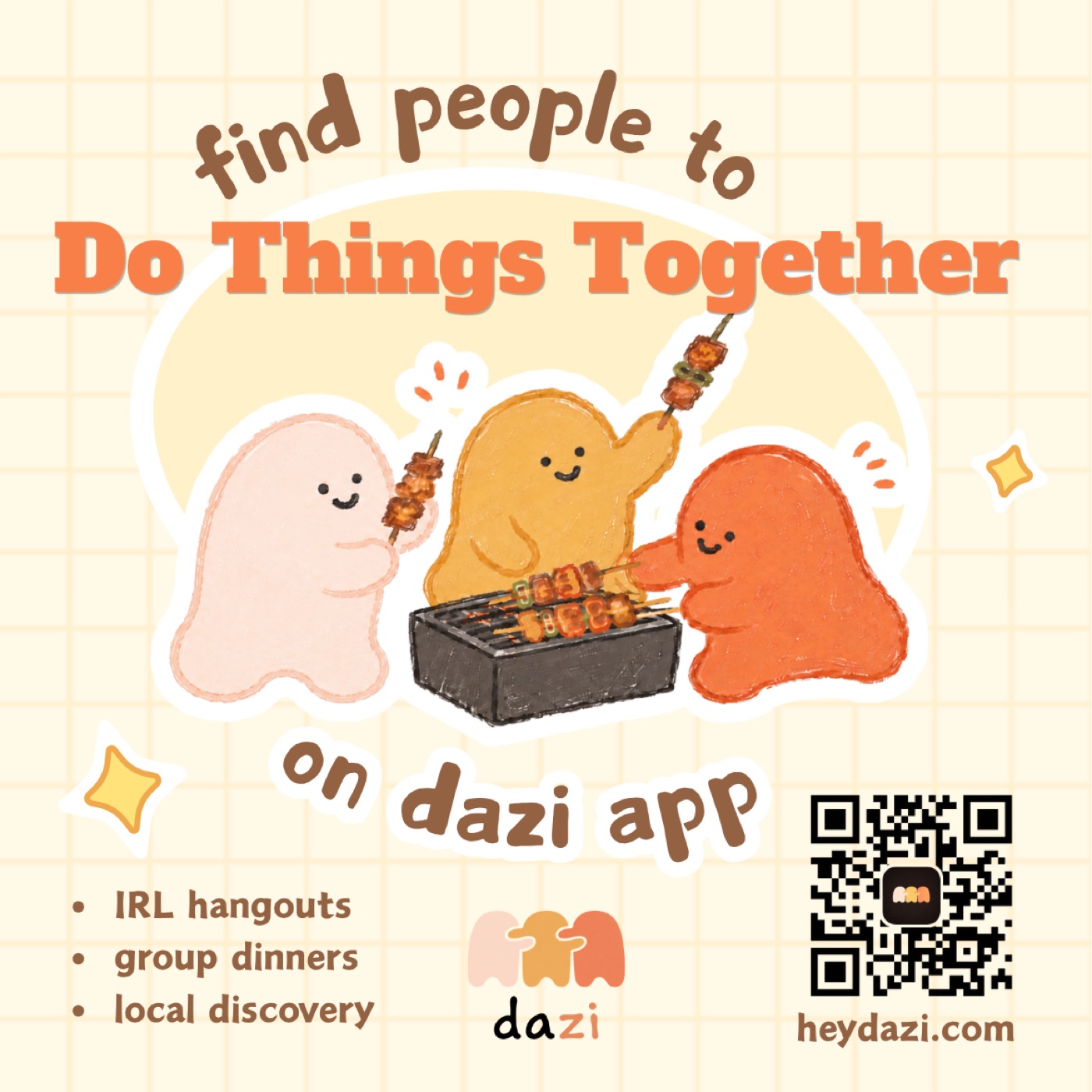
Media & outreach
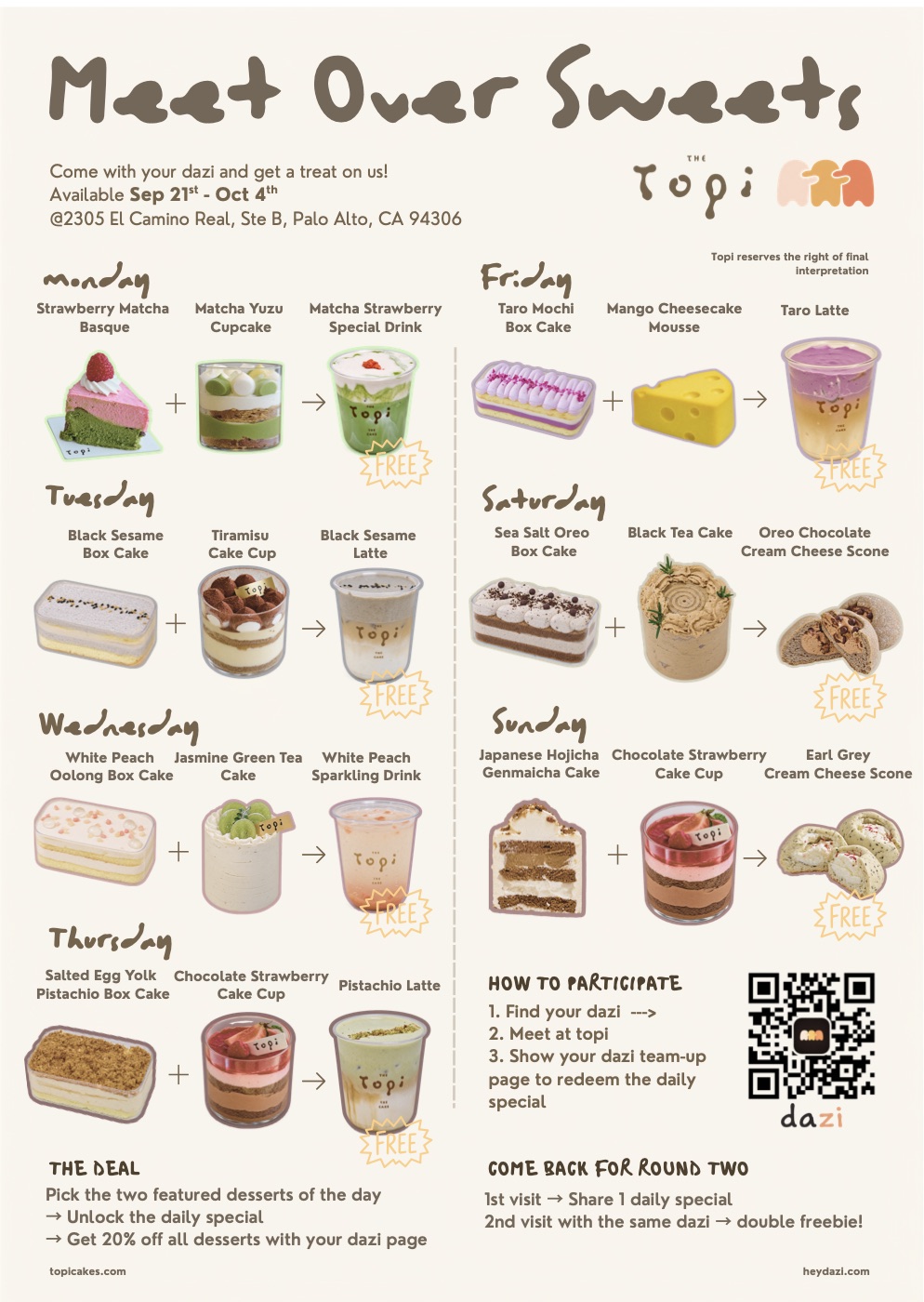
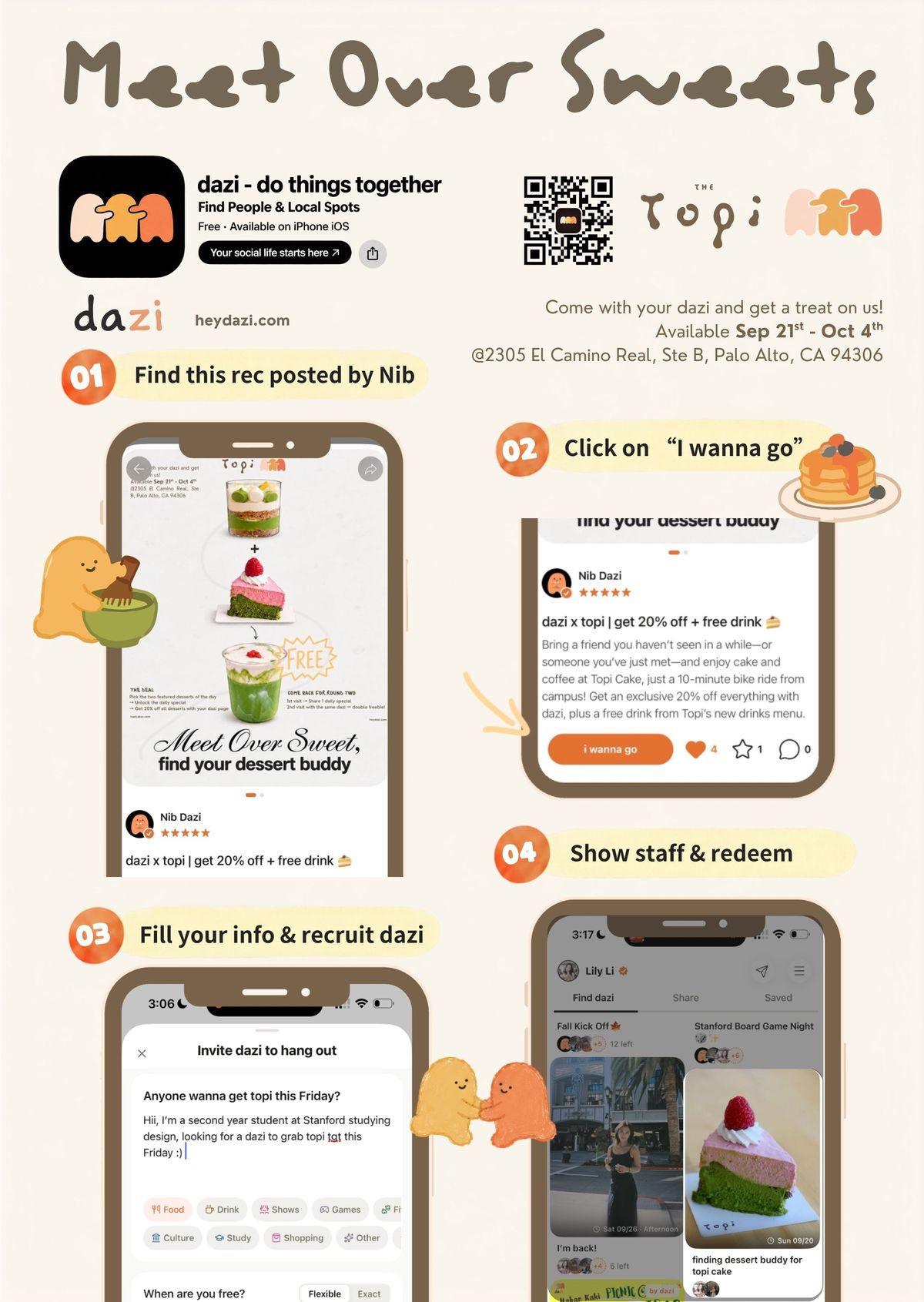
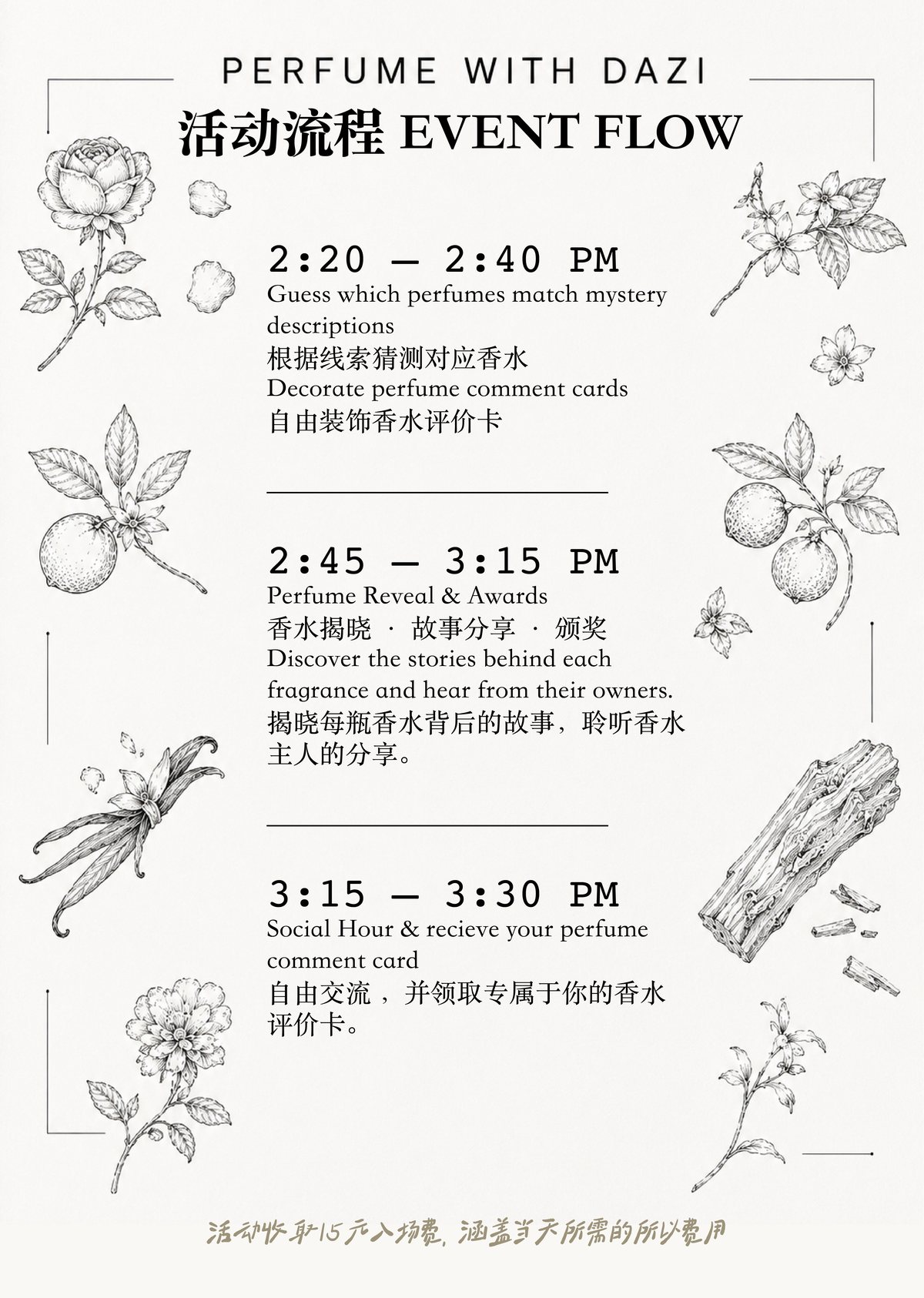
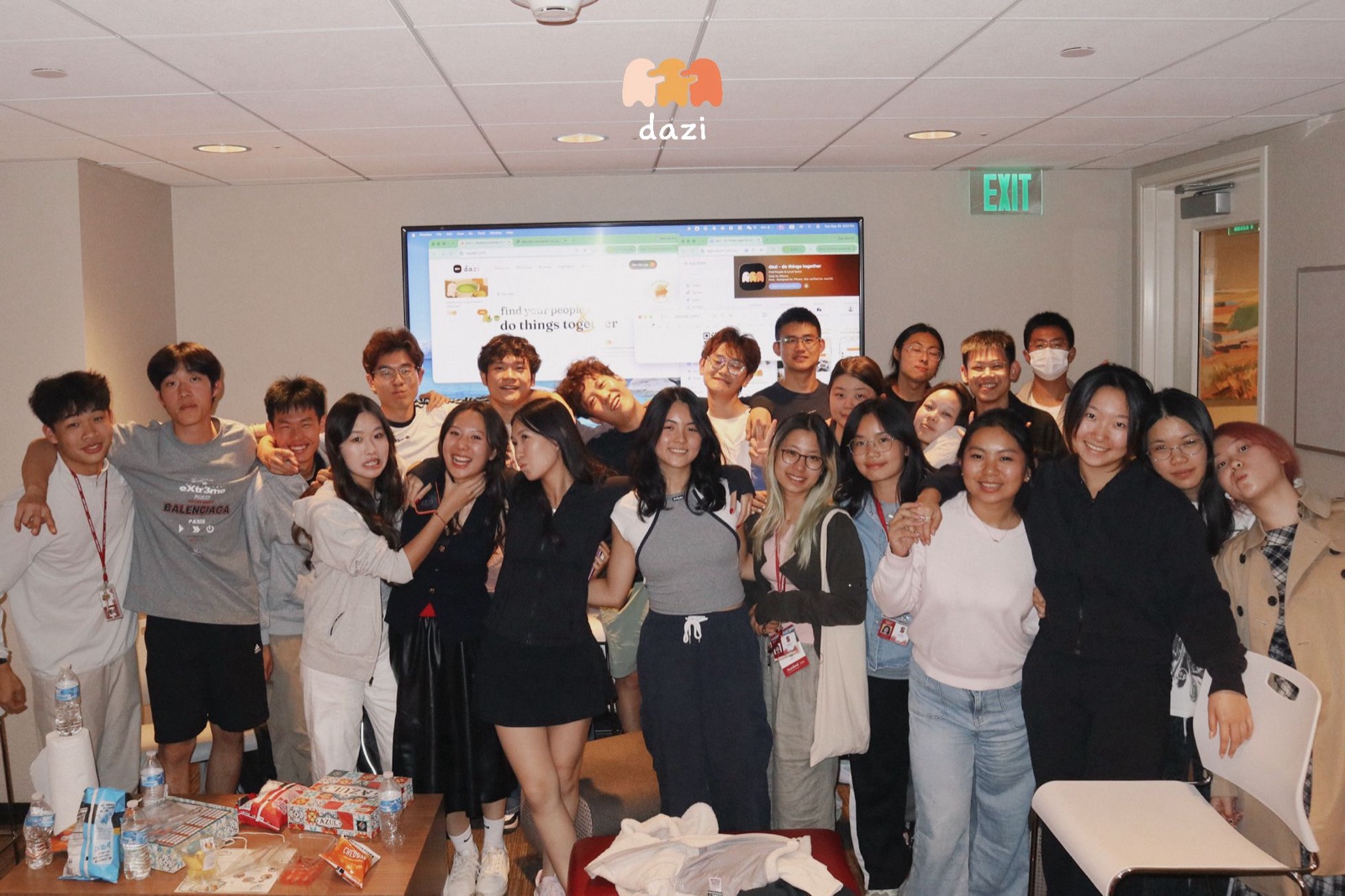
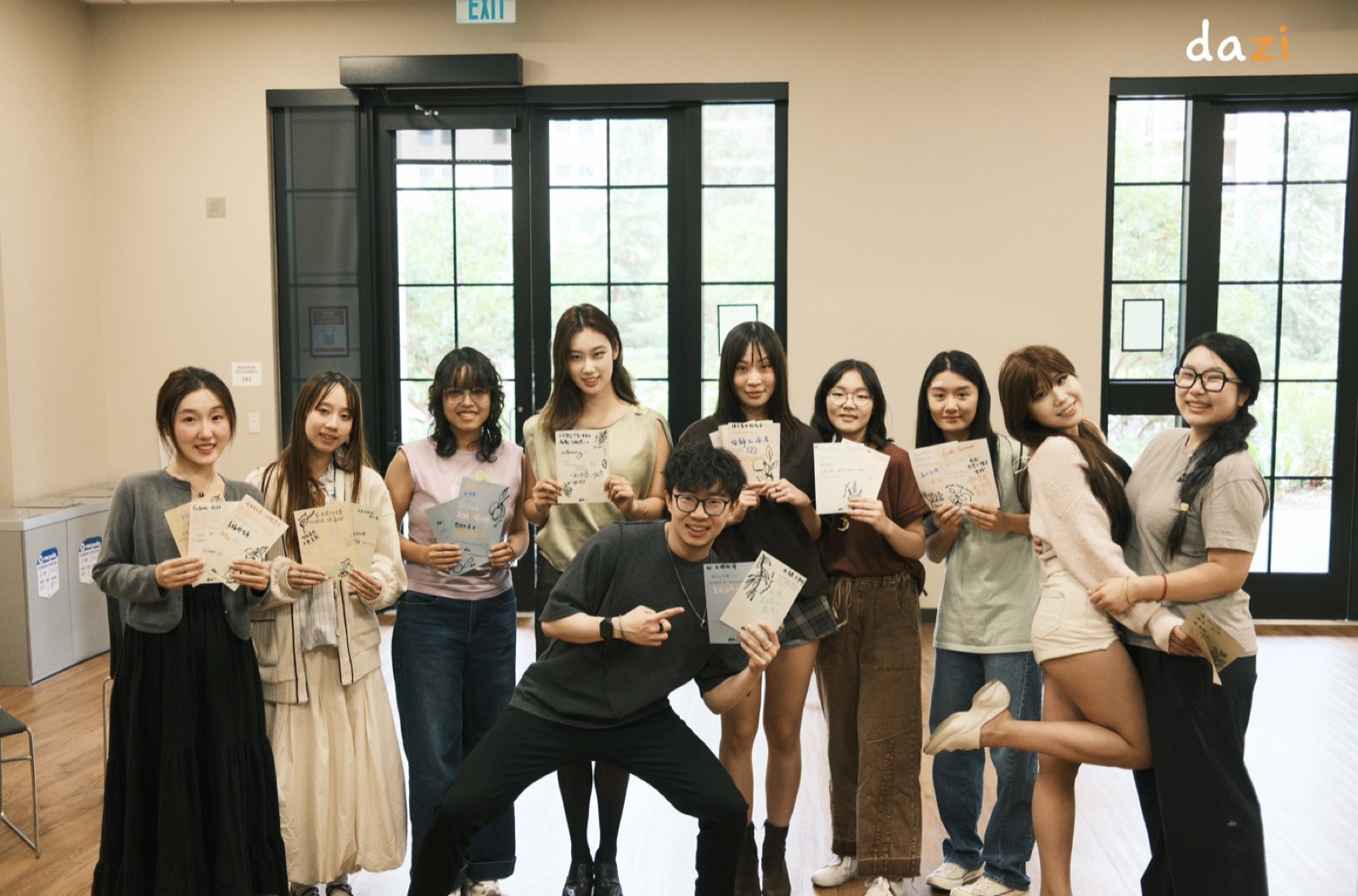
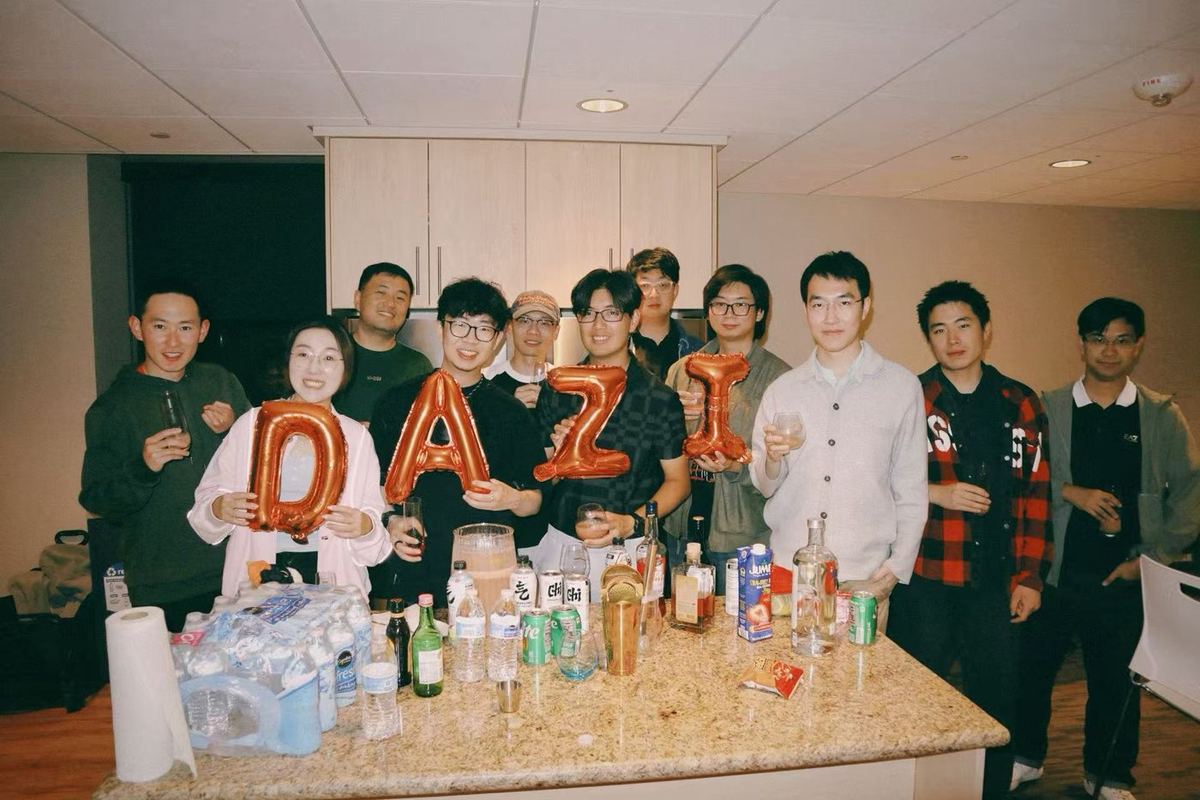
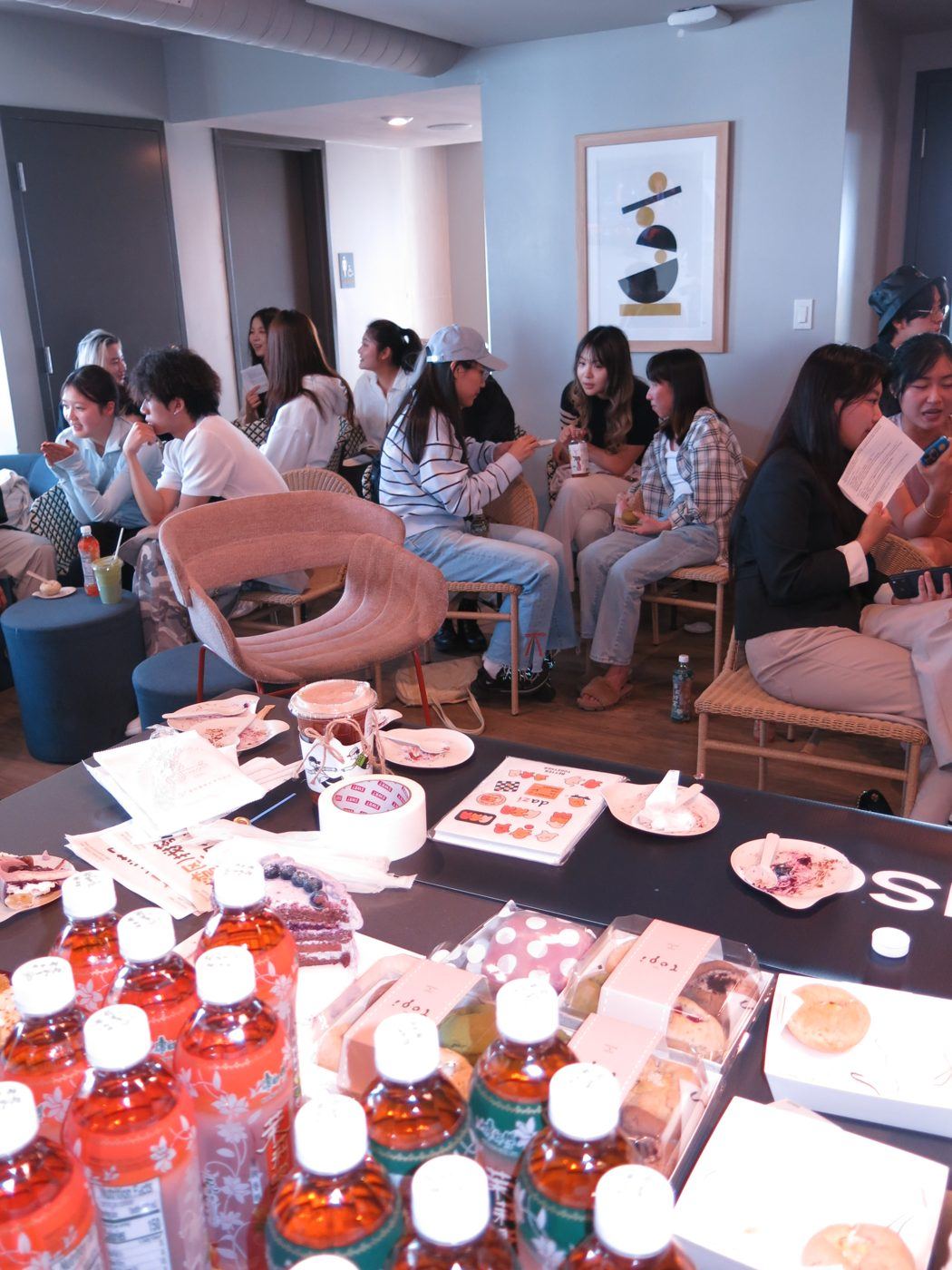
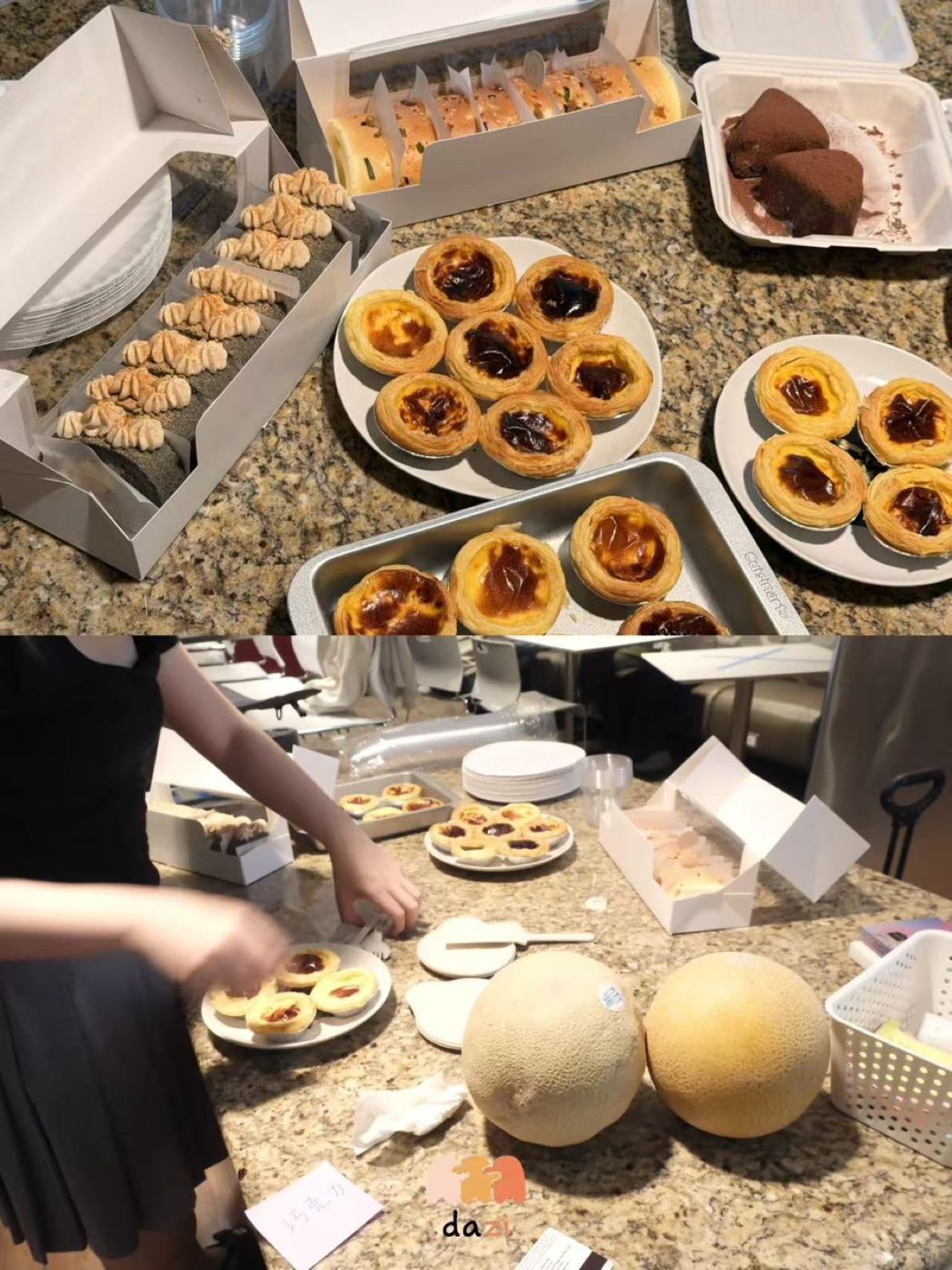
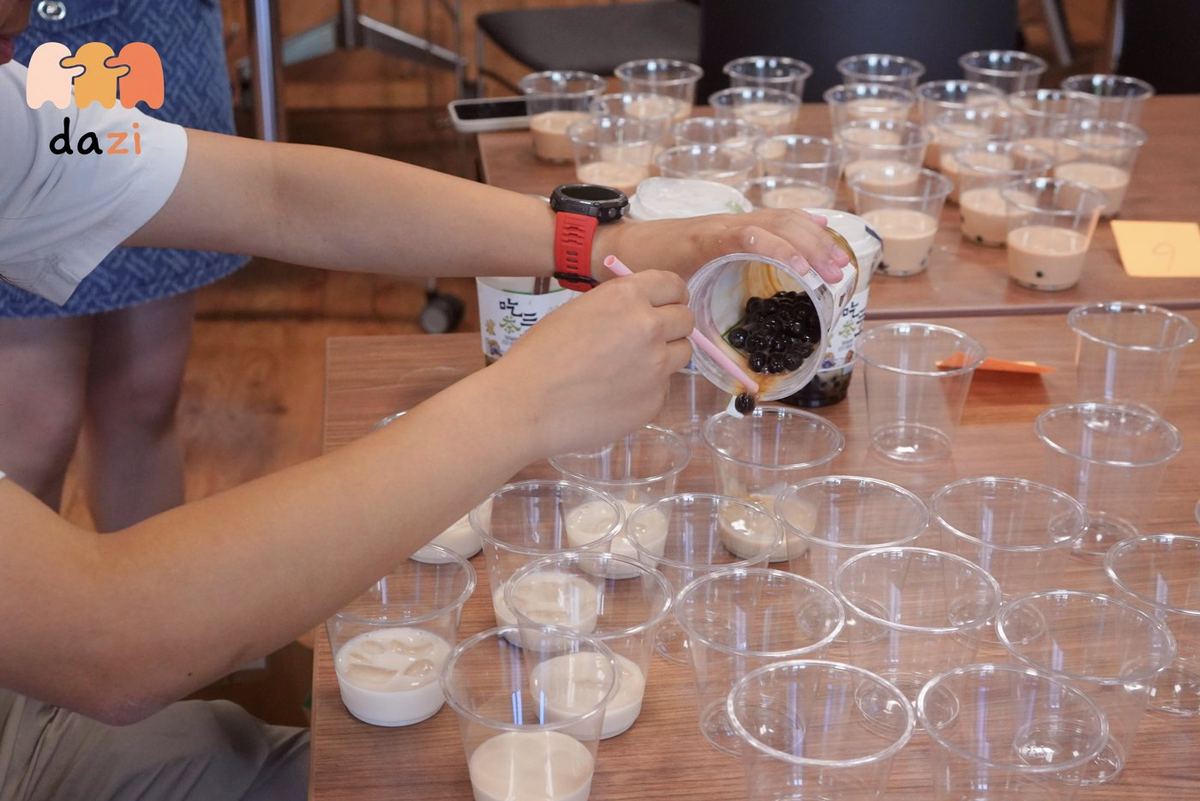
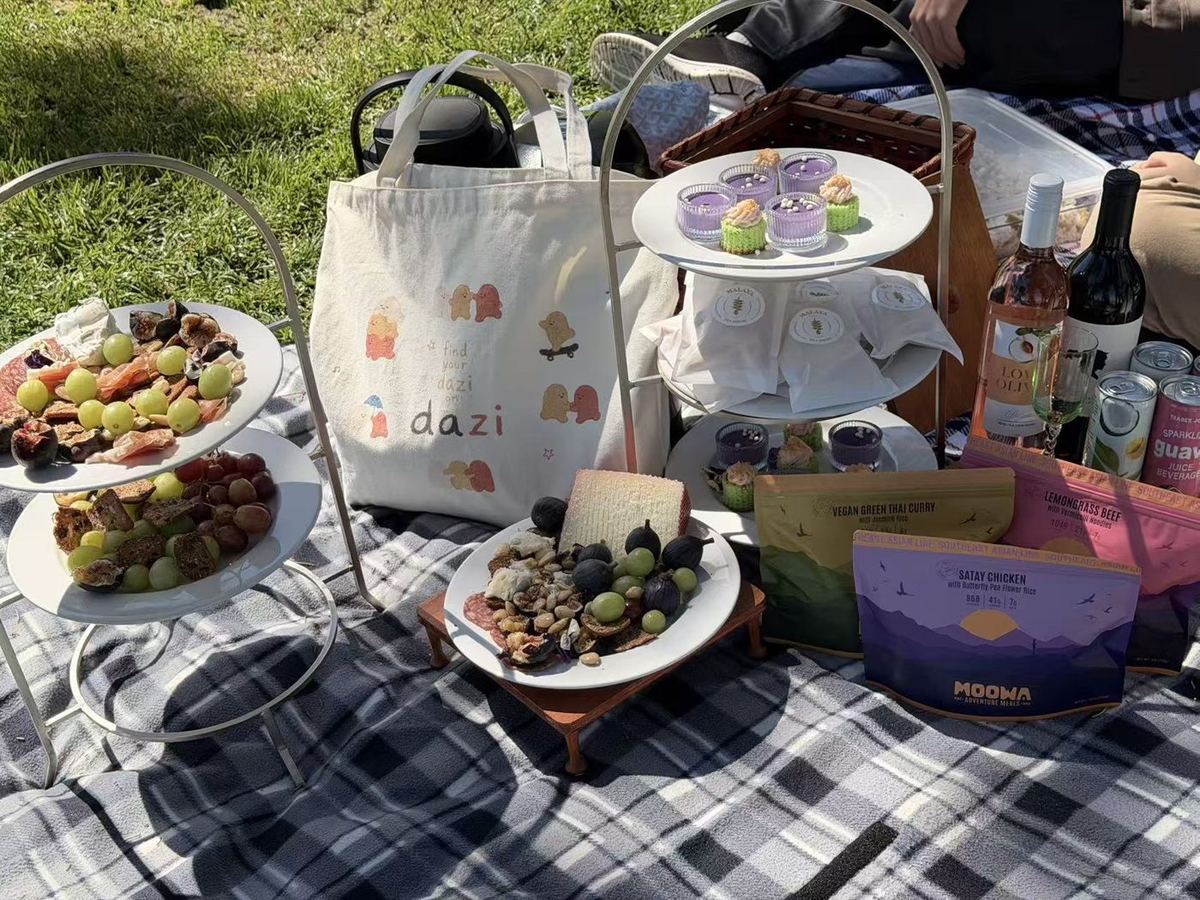
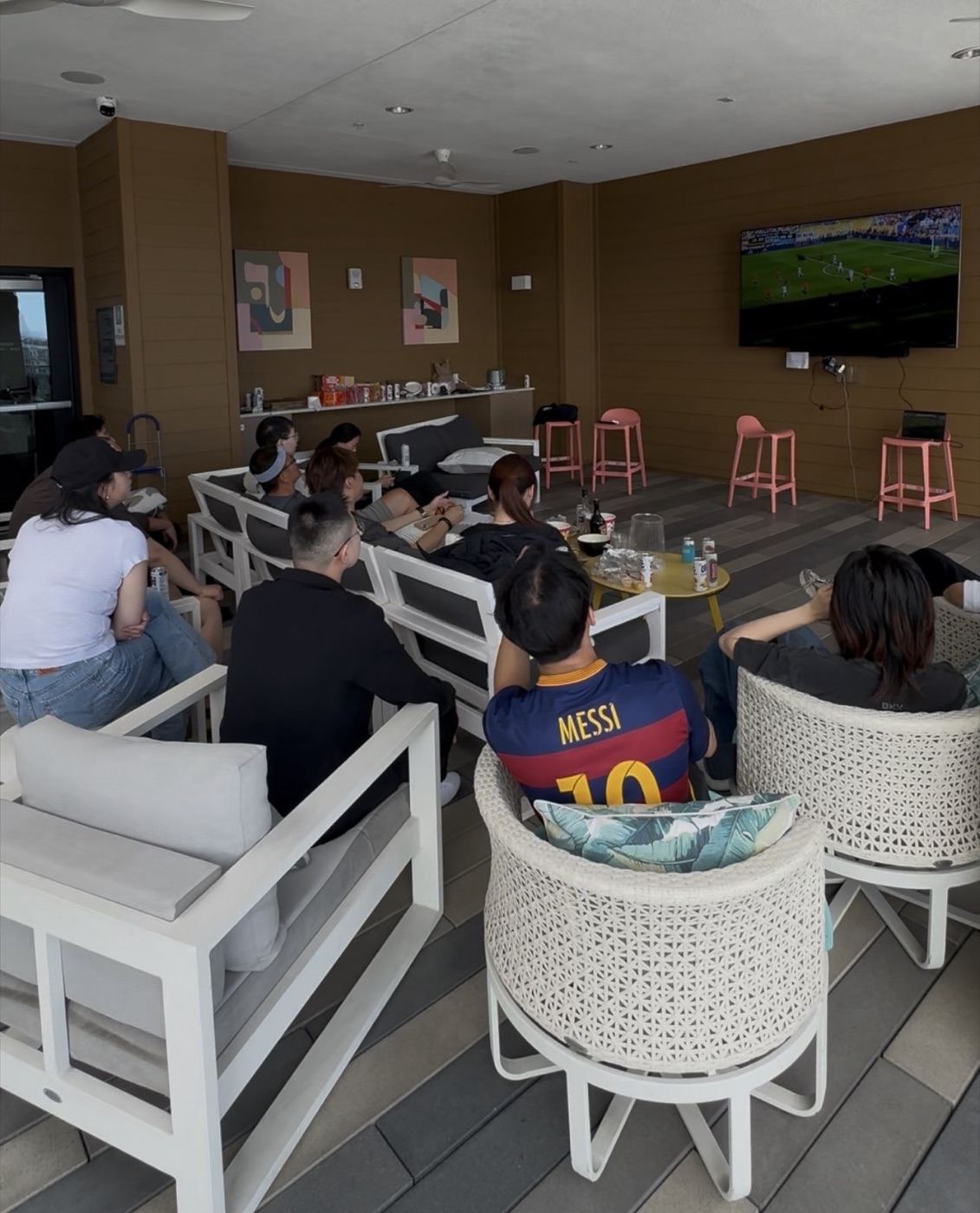
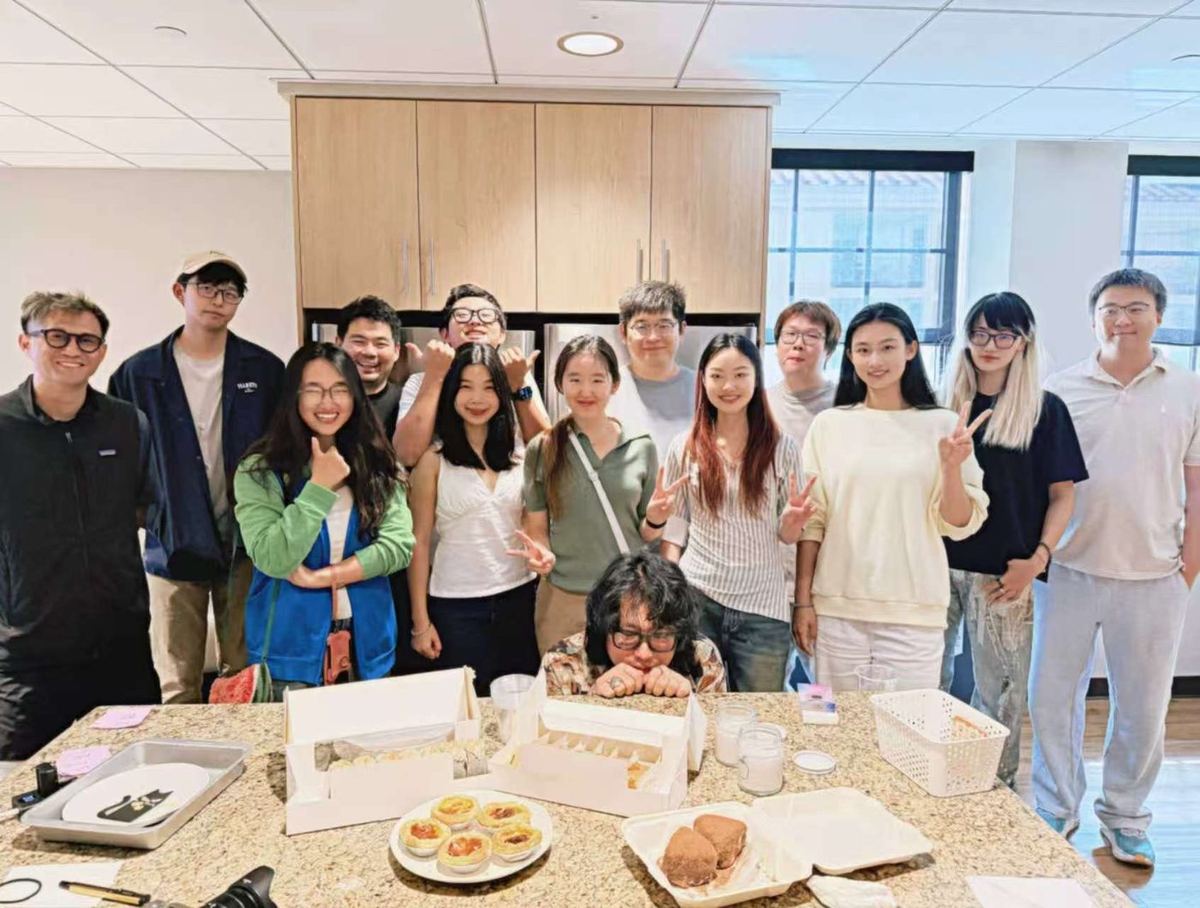
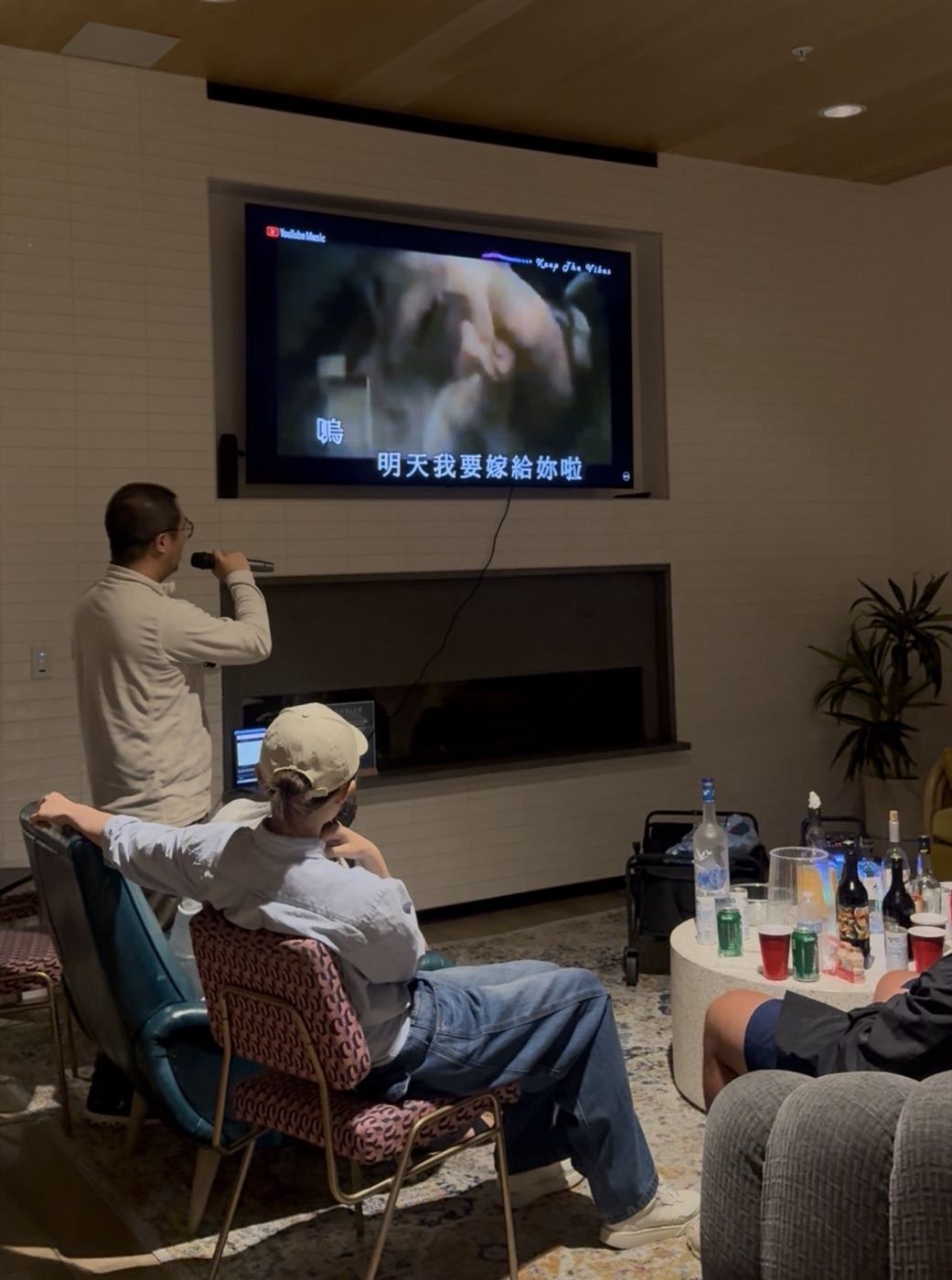
In the three months at dazi, I planned 20+ events with partners including OceanBase, Mantis Grid AI, Moowa, Topi Cake, Malaya Tea Room and Guqin Society, and met with hundreds of users in person having in-depth conversations. This is the summer where I both fall in love with the beauty and the brutality of a startup.
Posters



Events
Results
SAGA
Stanford AI Governance and Alignment · Creative Lead
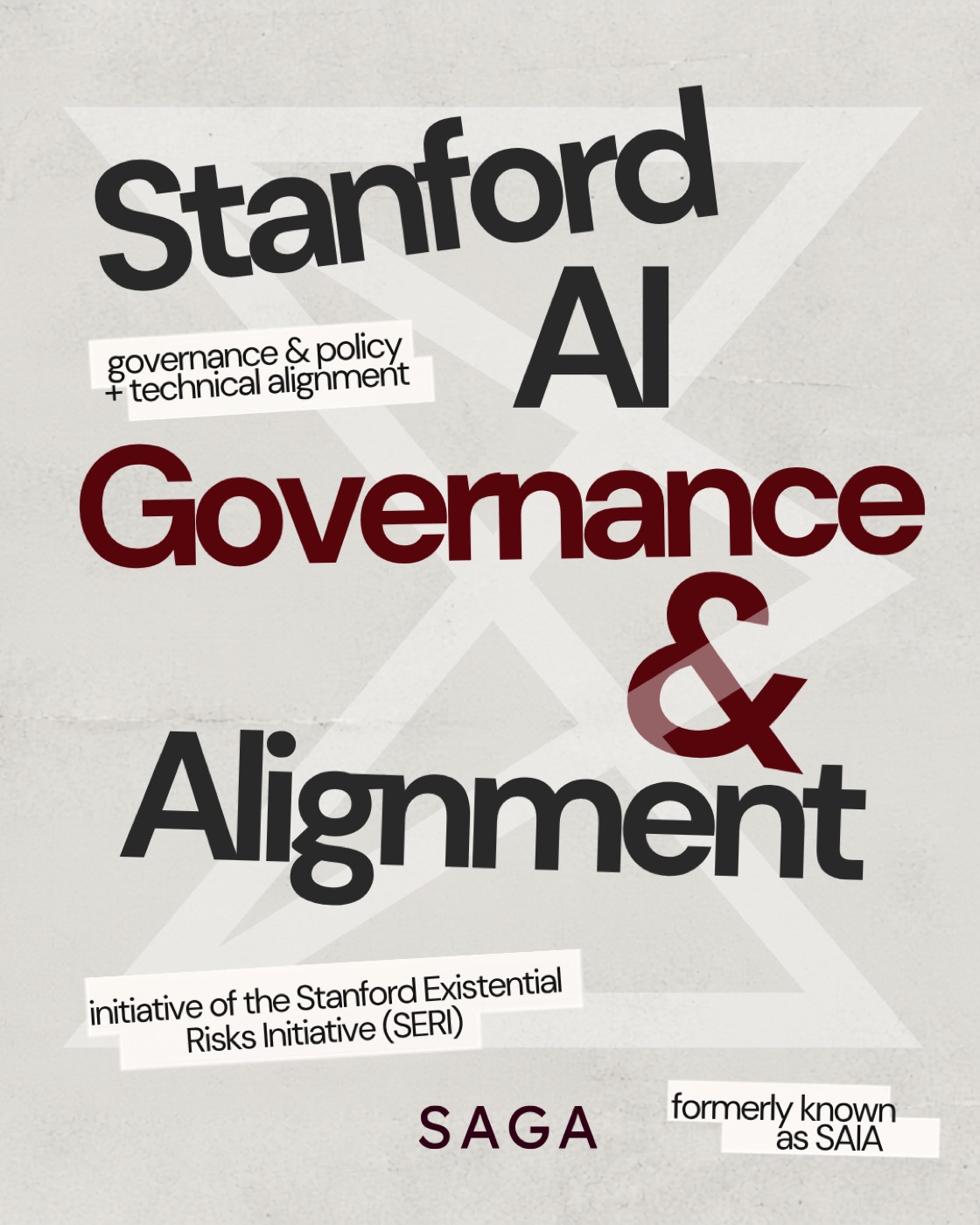
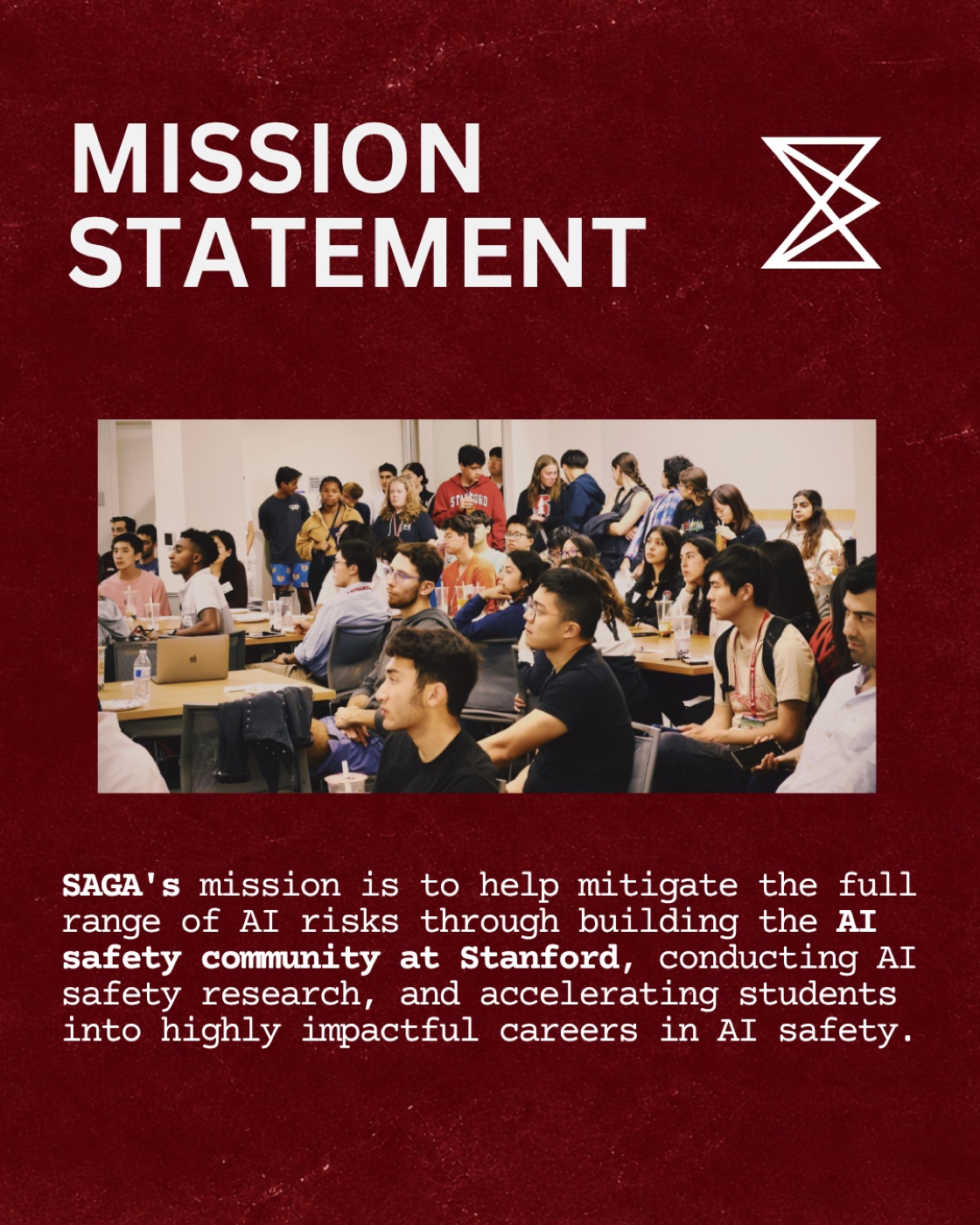
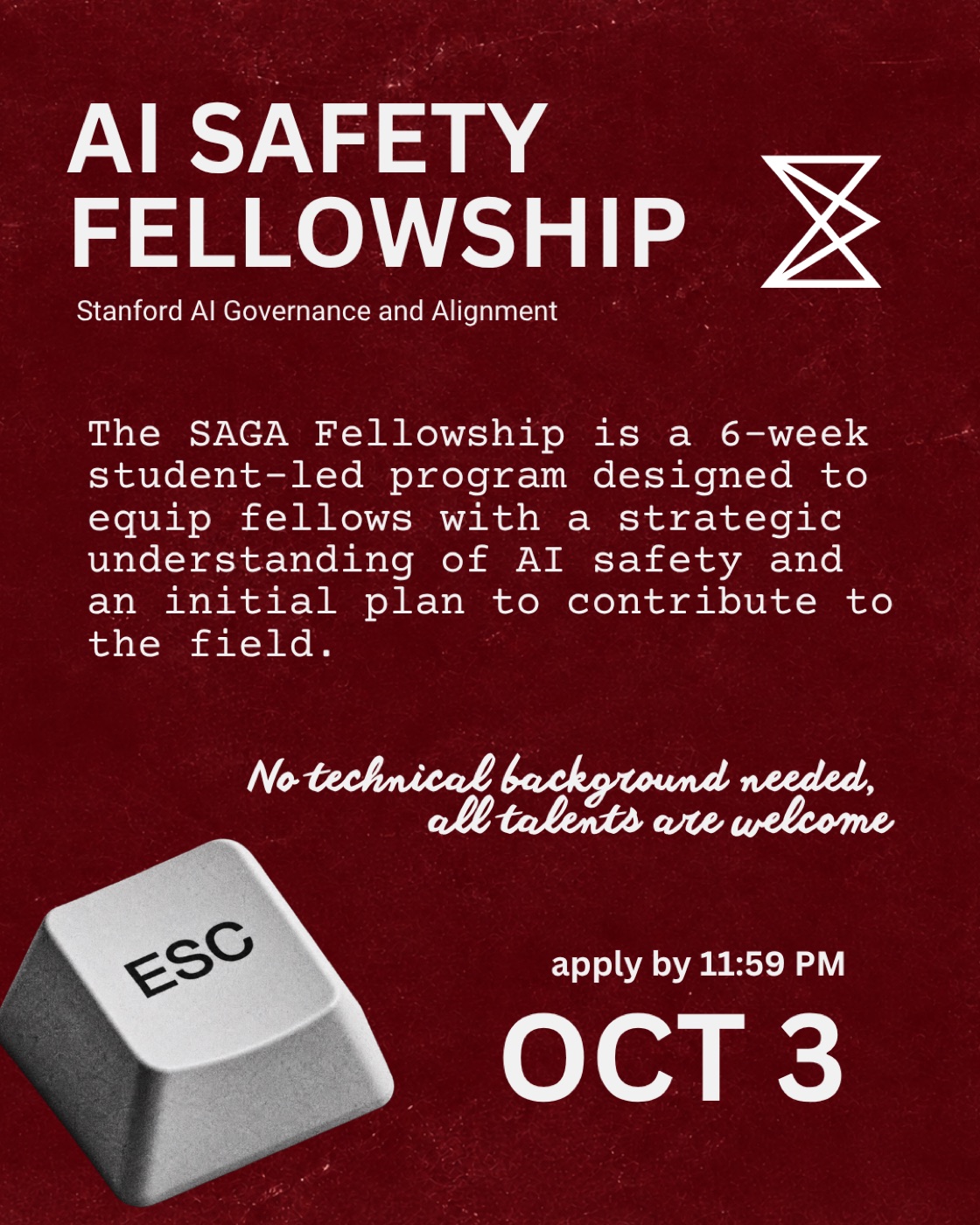
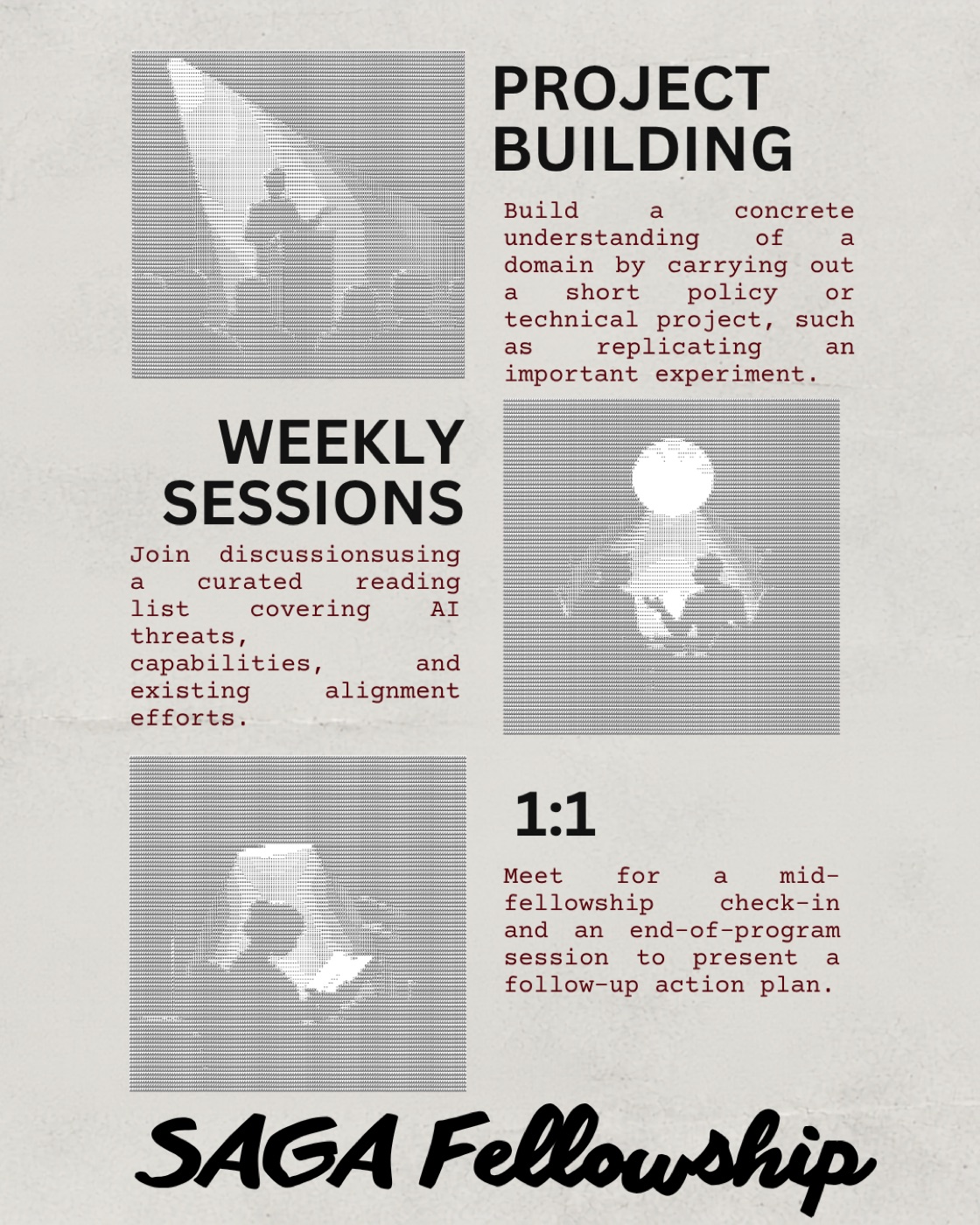
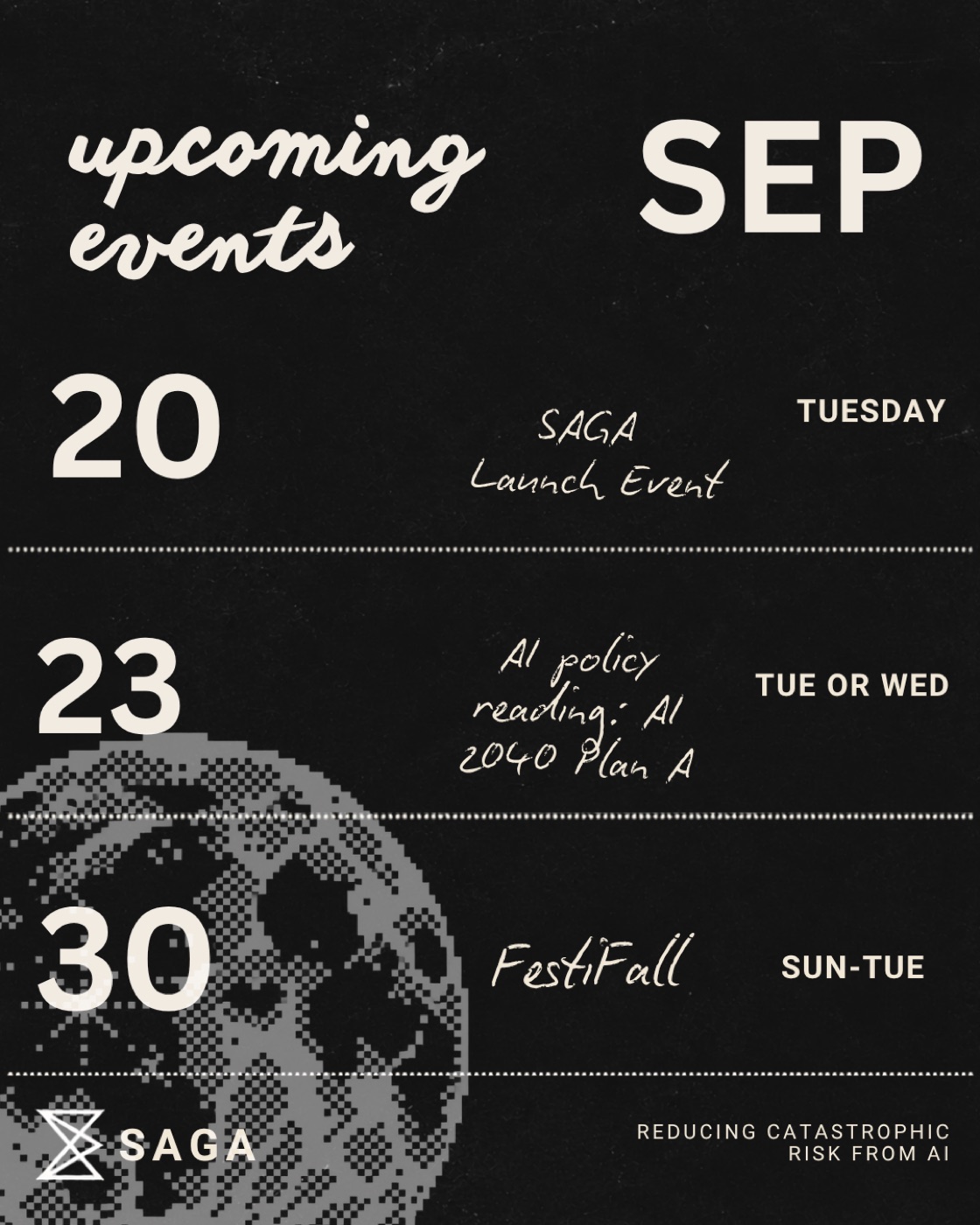
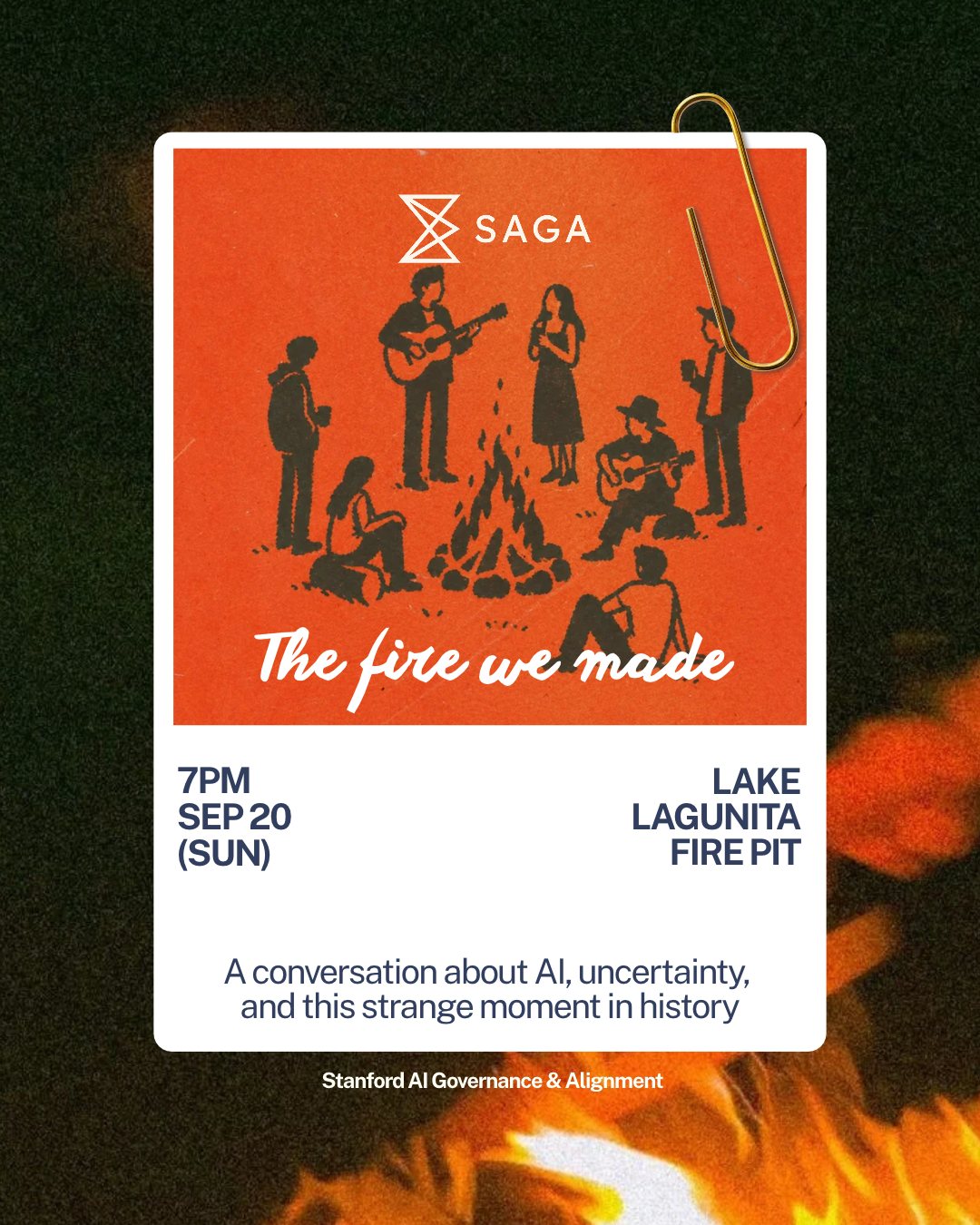
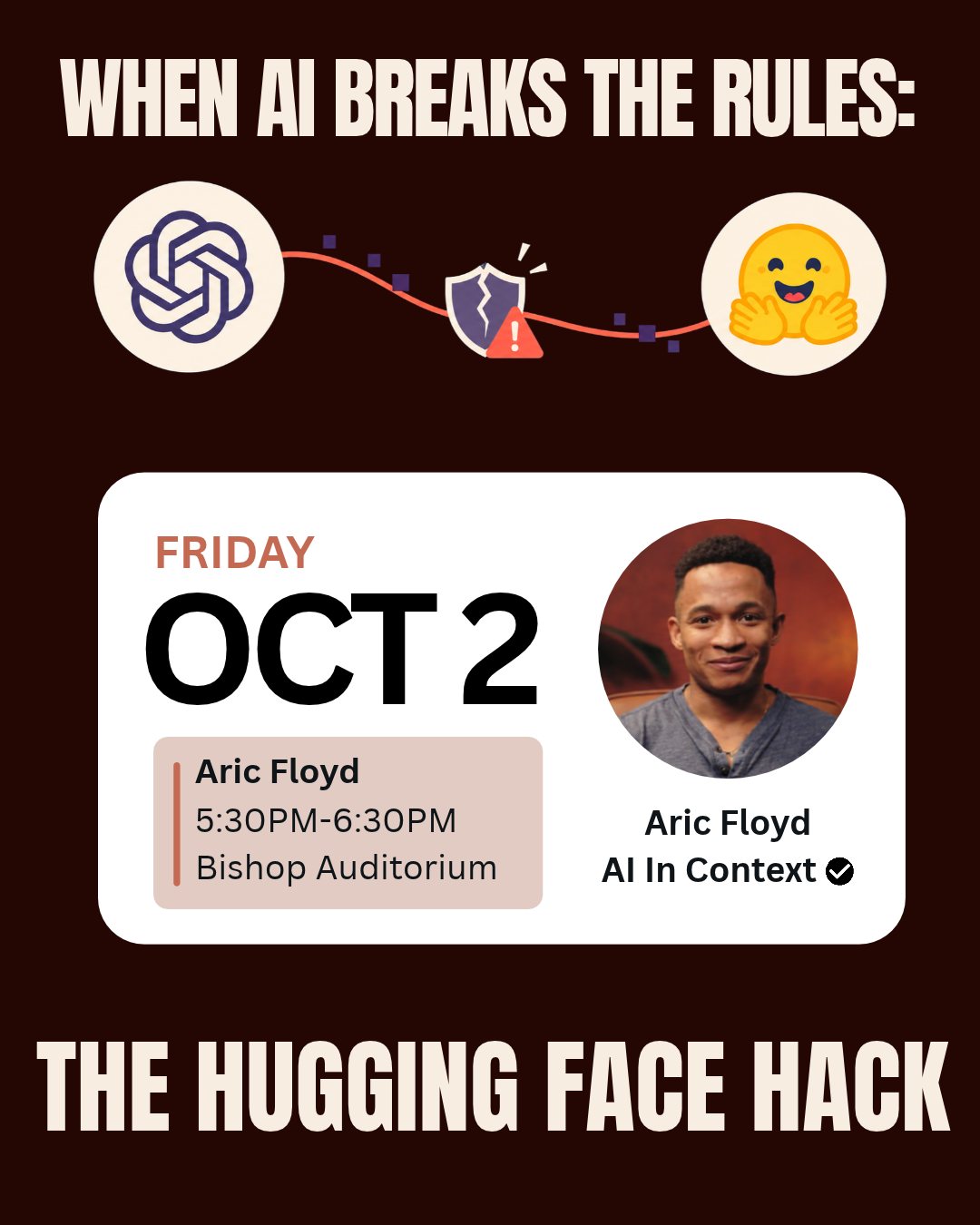
This year, SAGA is rebranding to achieve bigger campus influence and welcome talents from all fields to contribute. I’m leading the brand relaunch across identity, communications and student acquisition, currently supporting the team for a six-week AI Safety Fellowship launch campaign and making a reusable visual system.
Club Identity
AI Safety Fellowship
Events
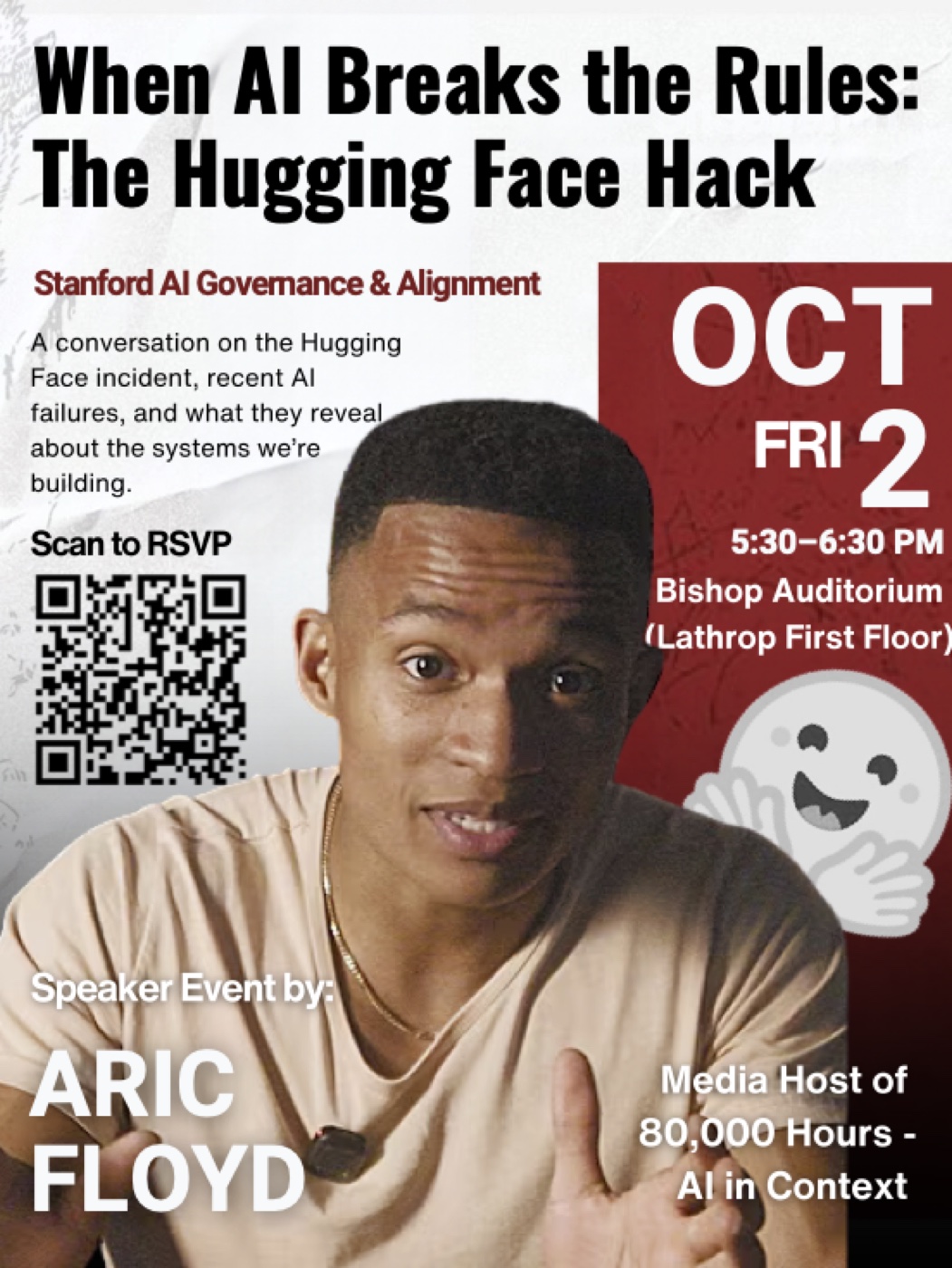
Find out more of what we are building on Stanford:
Building
user experiences and comfortable human interactions
I engineer for human centered solutions to supplement projects I am leading. At dazi, for example, we faced the problem of how to best sit people together for dinner blind box for max engagement, comfort, and serendipity. On the backend of our console, I wrote this algorithm to help with this process:
Dinner Blind Box
Users sign up, tell us a bit about themselves, and get seated with three to five people you have never met.
Our team used to seat the dinners by hand. It worked for a few weeks until signups grew. Every week had a 12 hour window to place everyone, and by hand that meant trial and error past midnight.
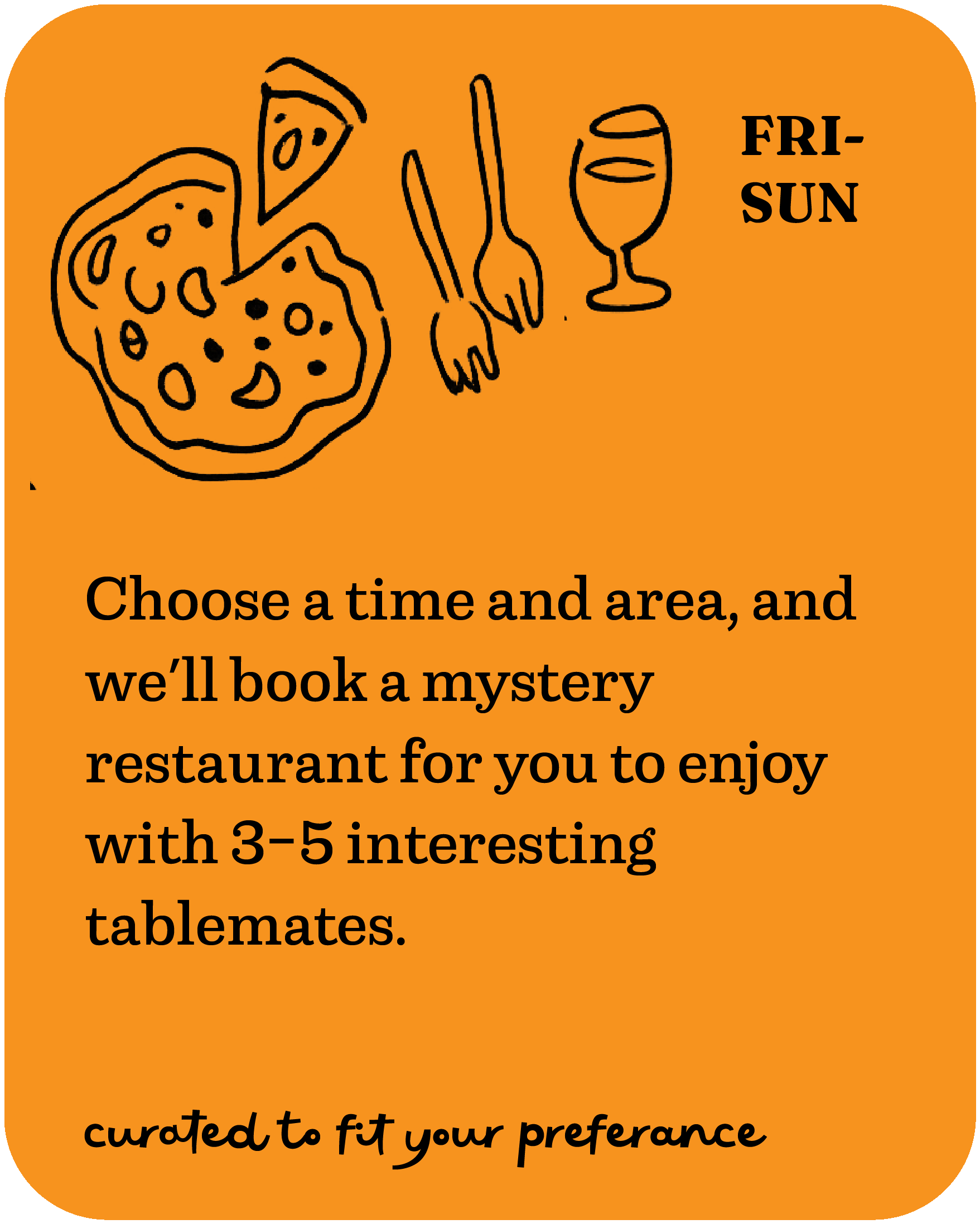
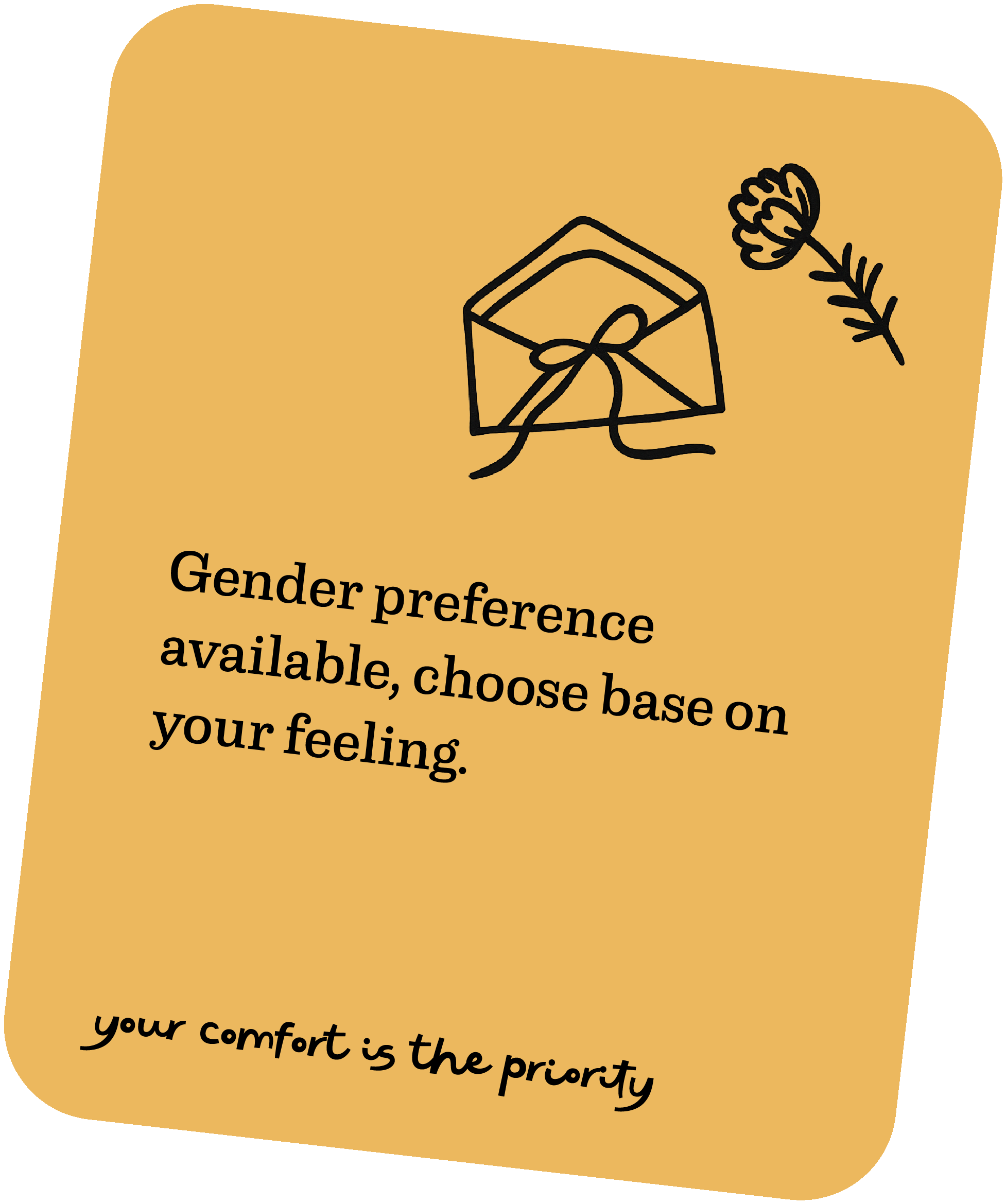
Logic Behind the Algorithm
A rule-based constraint solver in Python, with OR-Tools CP-SAT as a fallback for harder weeks. The algorithm is still being improved every week by live data and used to facilitate human in seating process.
Watch this animation to see an example of how it works:
Each piece is one guest: colour = regions they accept · texture = slots they offered · shape = budget tiers.
Algorithm trained with real data
Here is a visual representation of our users and their relationship chart. Each week, the system is improved based on human corrections as well as feedback from users on how the dinner went.
Anonymous data for representational purposes, No real guest information is shown in this display.
Results
Creating
things that feel thoughtful, playful, and alive
Game design
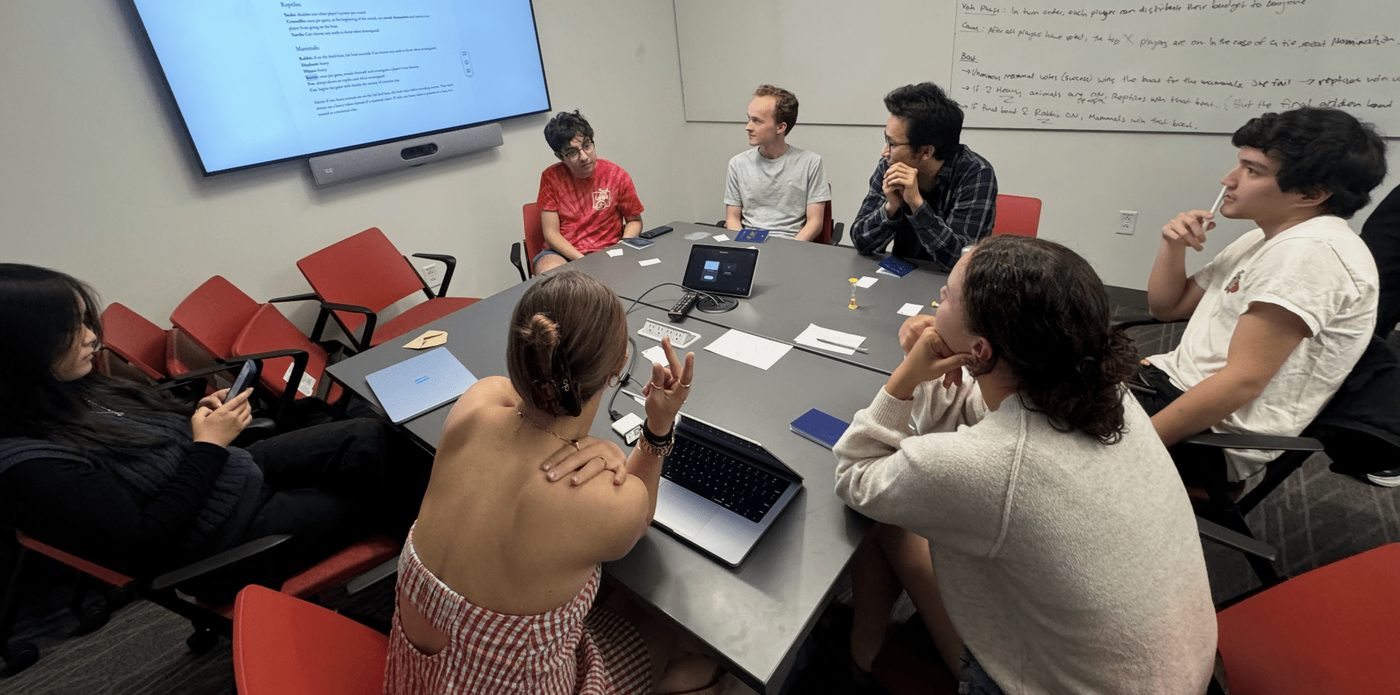
Here are two games that I designed in the spring of 2026 with my teammates in CS 247G Game Design. In both projects I took the art lead and completed visuals, along with participating in playtests, iterations, prototyping, and mechanics building.
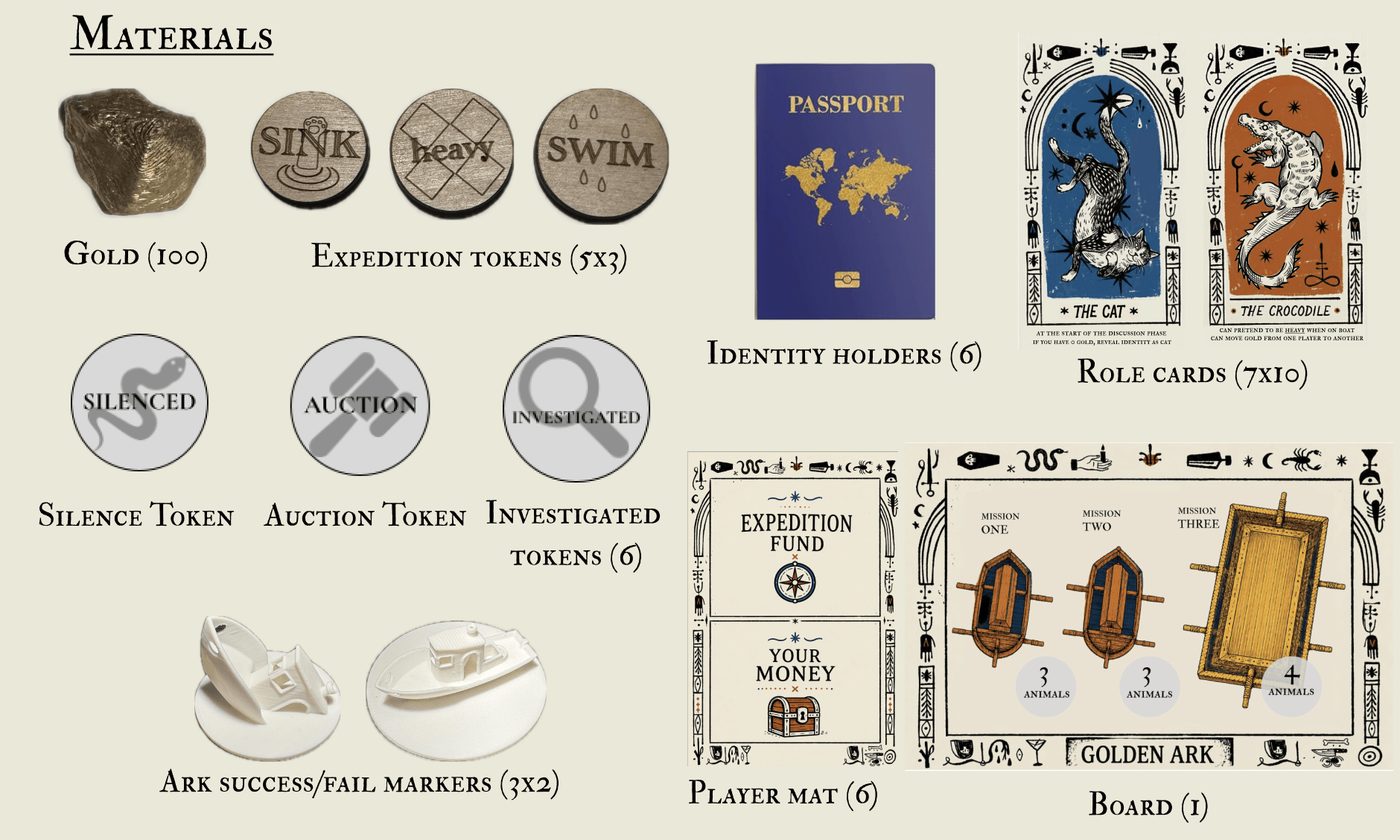
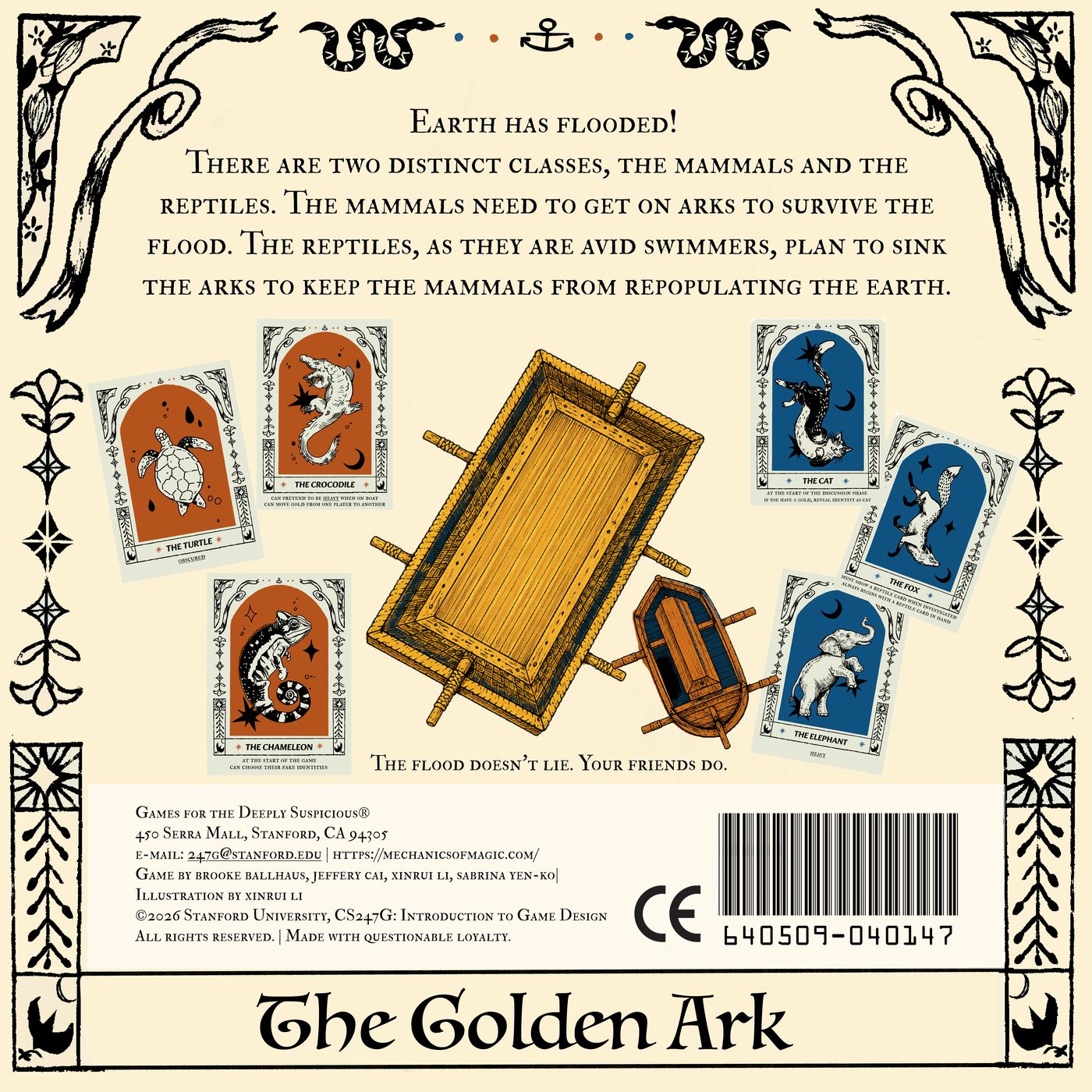
Golden Ark
Physical Board game · 6 players · CS247G · art direction
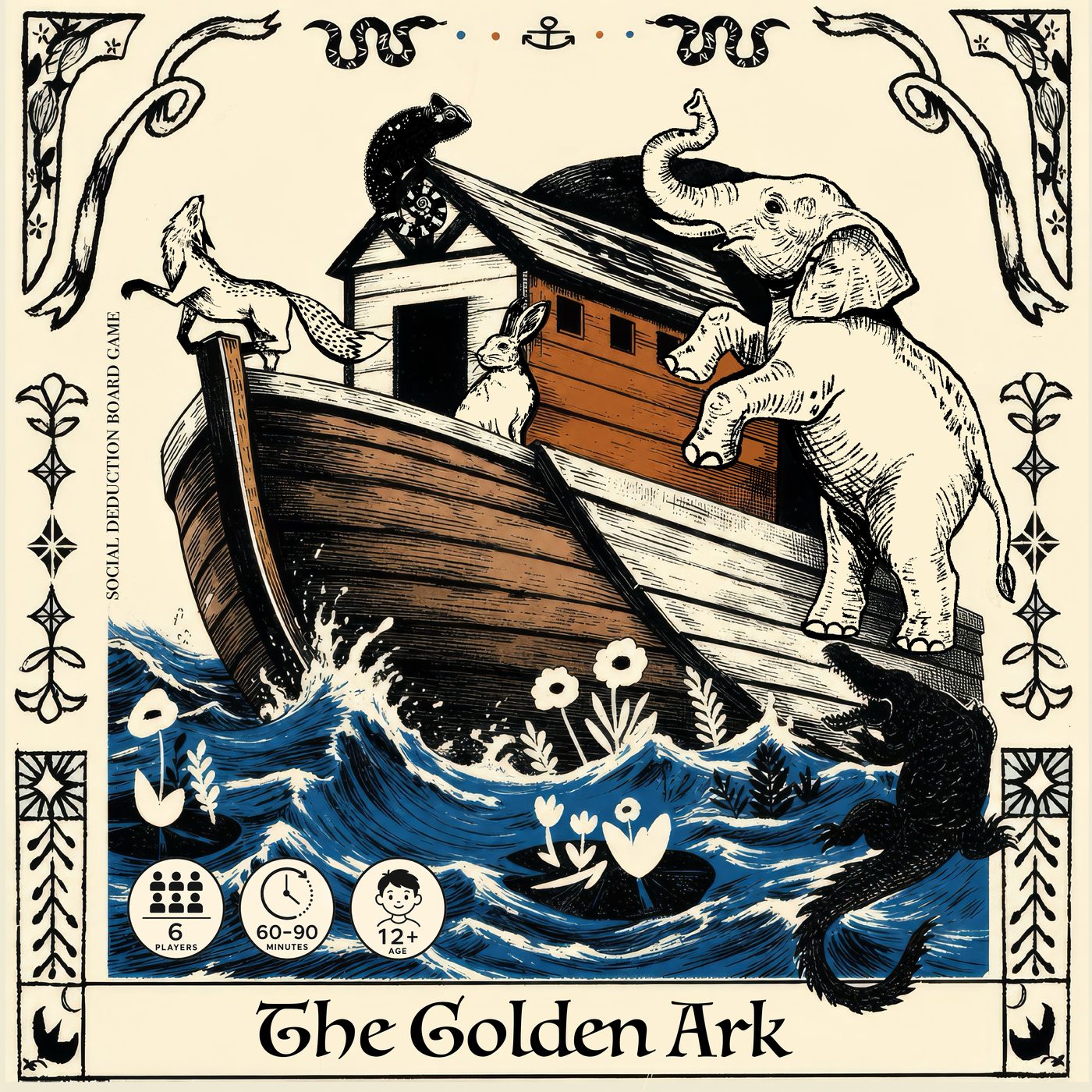
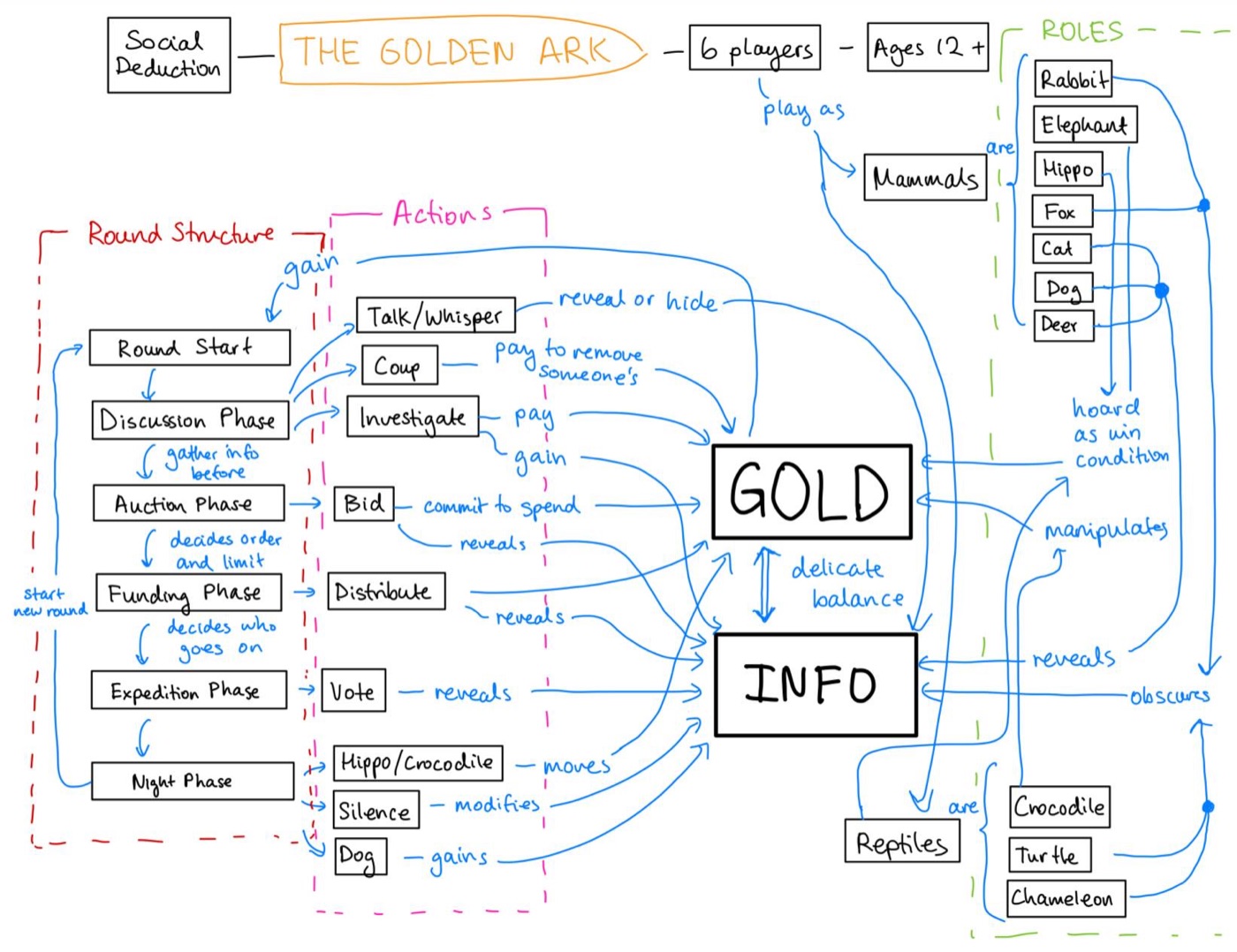
Social deduction for six
The earth has flooded! The mammals have built three arks in order to survive, but the reptiles, each of them avid swimmers, have other plans: to sink the arks and dominate the planet.
Mammals have to deduce who’s on their team and safe to board, while reptiles evade suspicion and slither their way onboard. With more animal identities than players and dubious investigations, absolutely nothing is certain.
Get ready to know nothing, trust liars, and get your paws damp.
ReelLife
Unity · Windows & macOS · CS247G · pixel art & animation
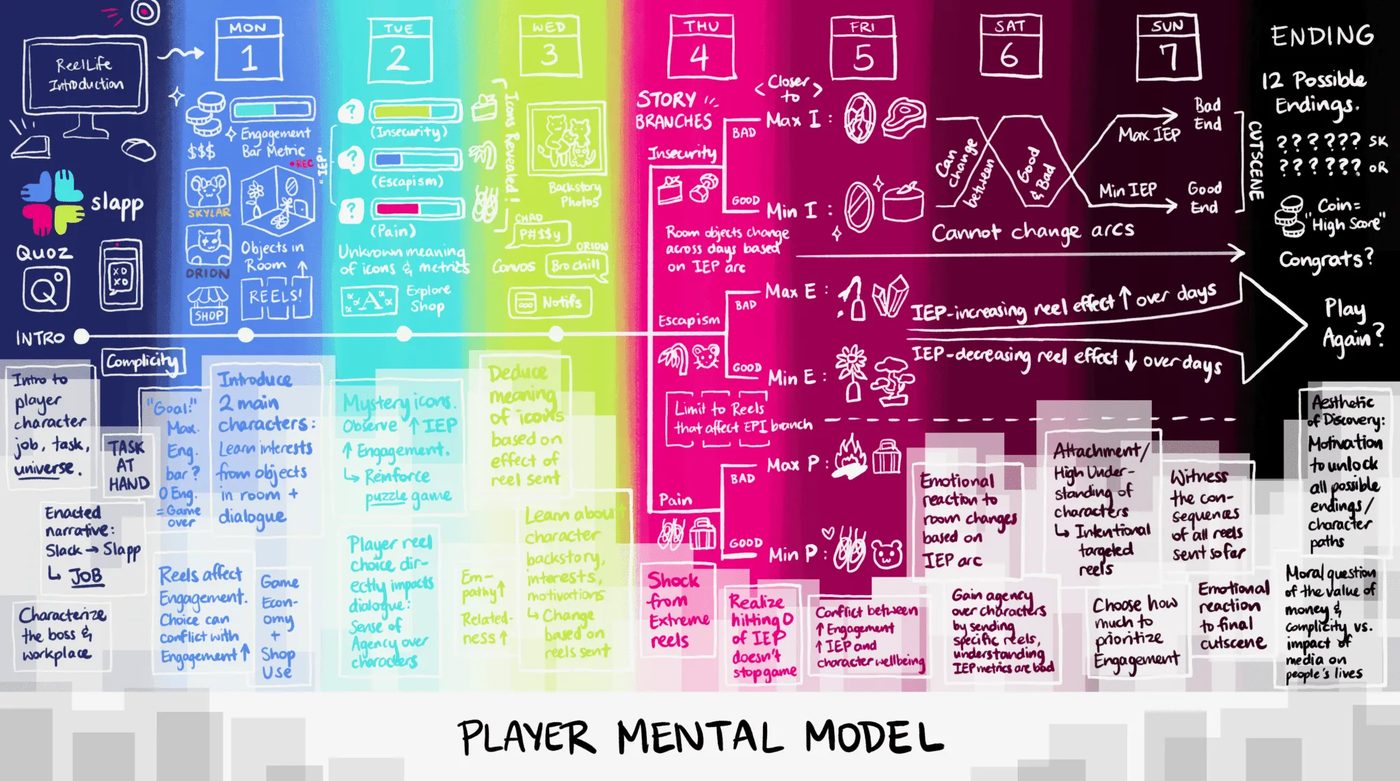
The other side of the feed
Have you ever found your entire day has been wasted doomscrolling on reels? Does social media make you insecure? Does your algorithm know you better than your parents? Us too.
In ReelLife, the player gets to experience the other side of social media. You start your onboarding at Quoz, the newest platform that everyone is using, by getting a glimpse into a character’s life. Send your users reels and see how they react, but don’t let their engagement get too low, or you might get put on a PIP.
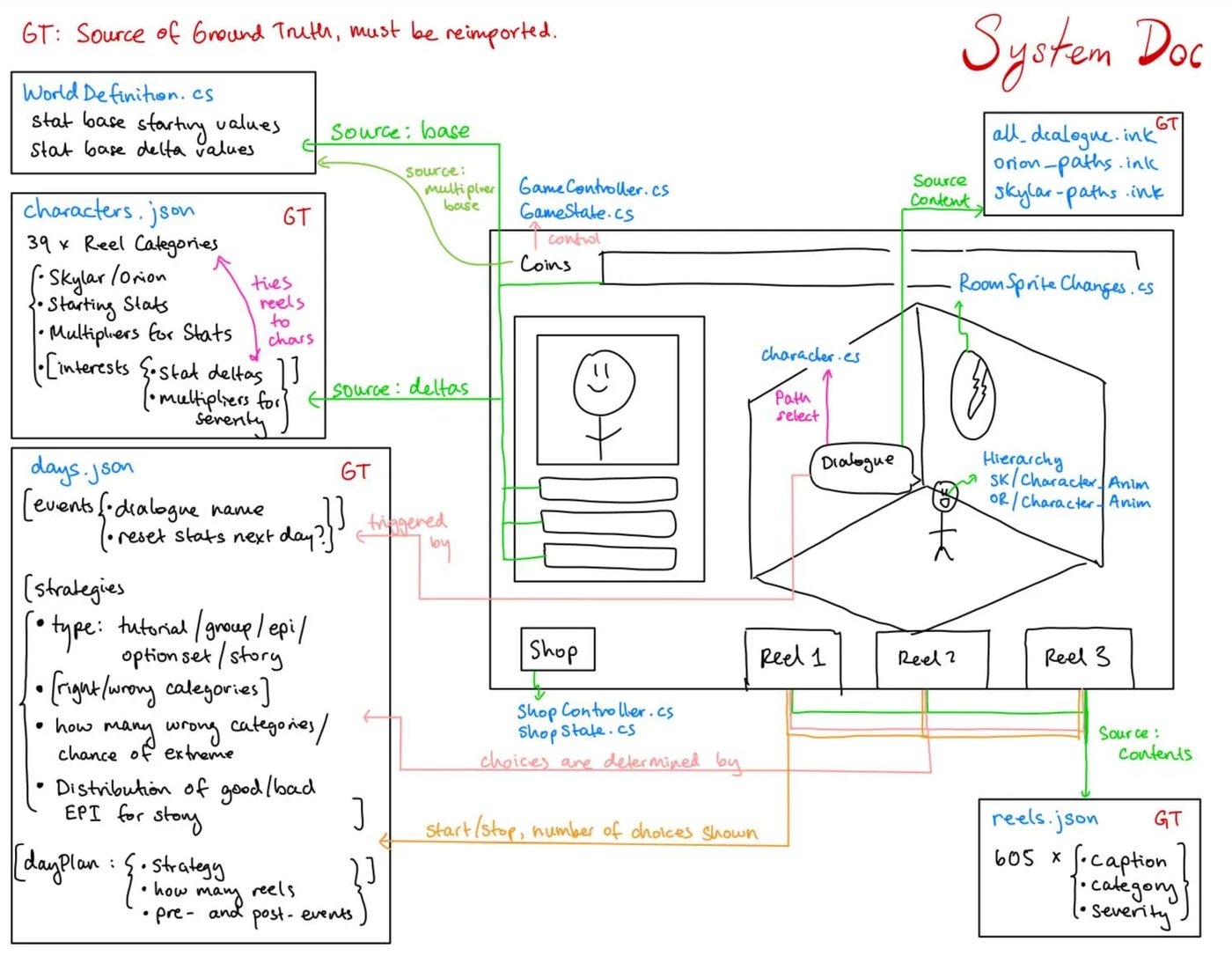
What the feed is actually doing
It is intended for players who love a strong narrative, player agency, and maybe a few ethical dilemmas along the way. Across seven days you become intimately familiar with your users, and find that your actions may have consequences. You’ll learn plenty about Skylar and Orion, but you might learn more about yourself.
Content creation
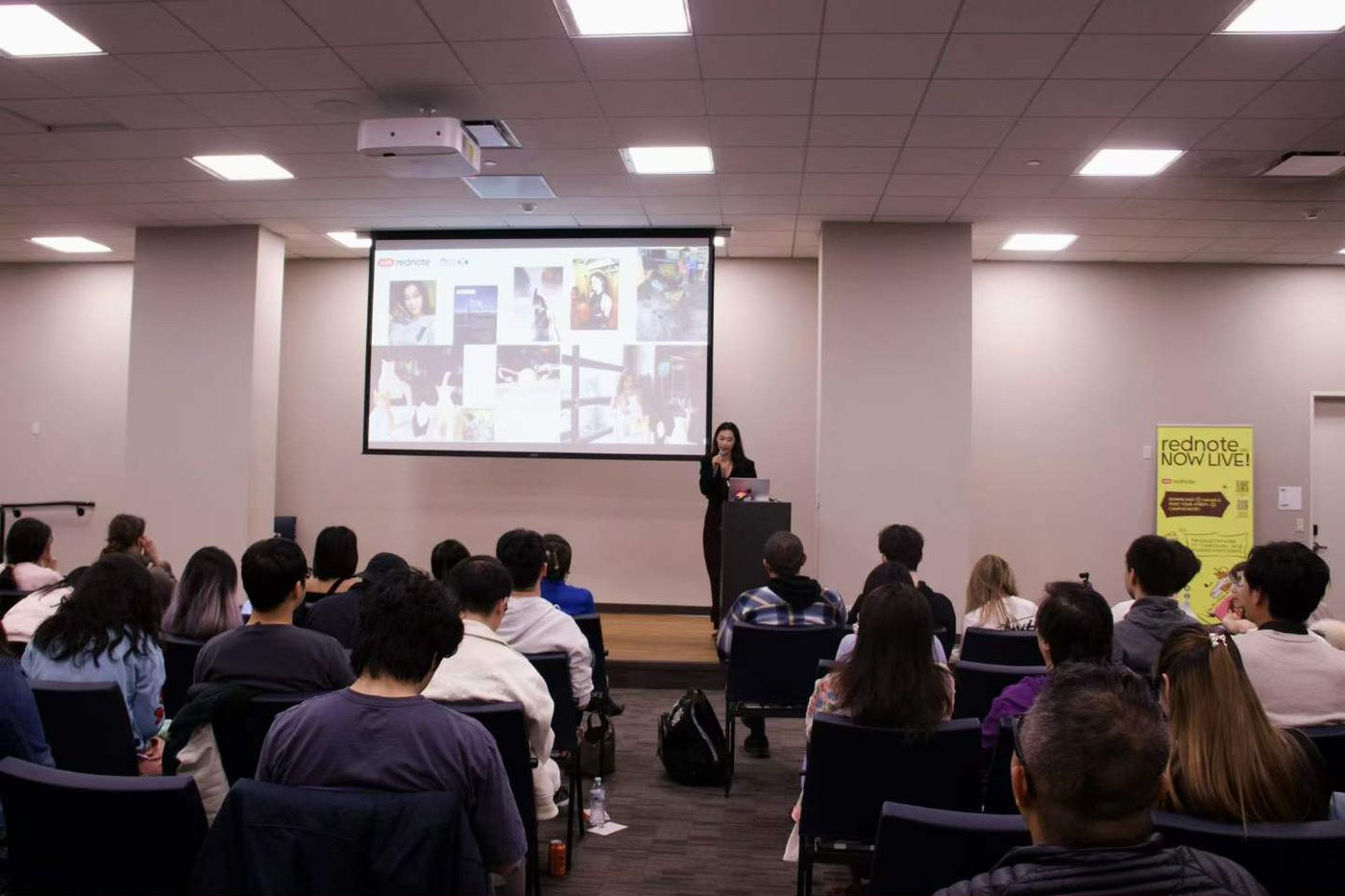
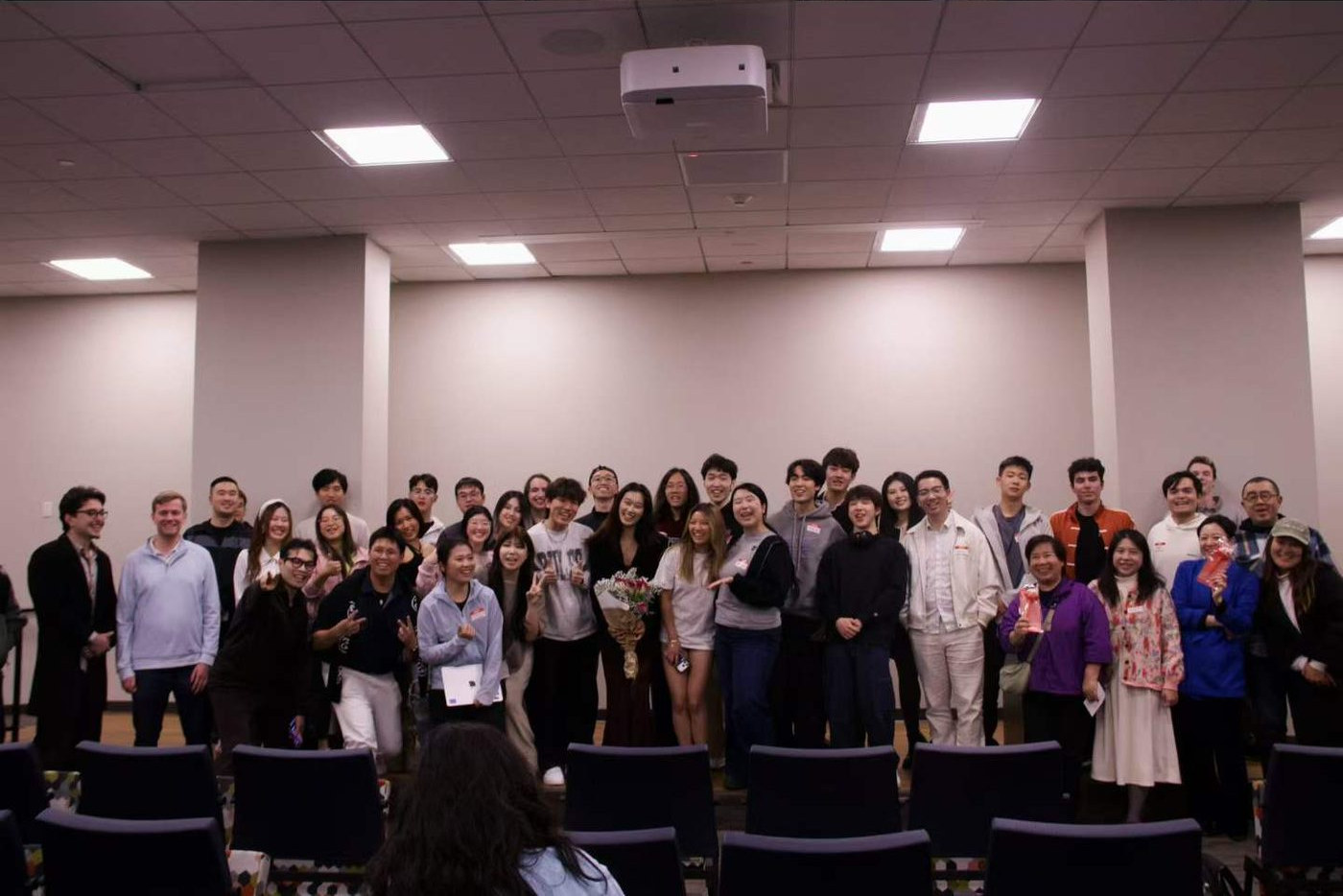
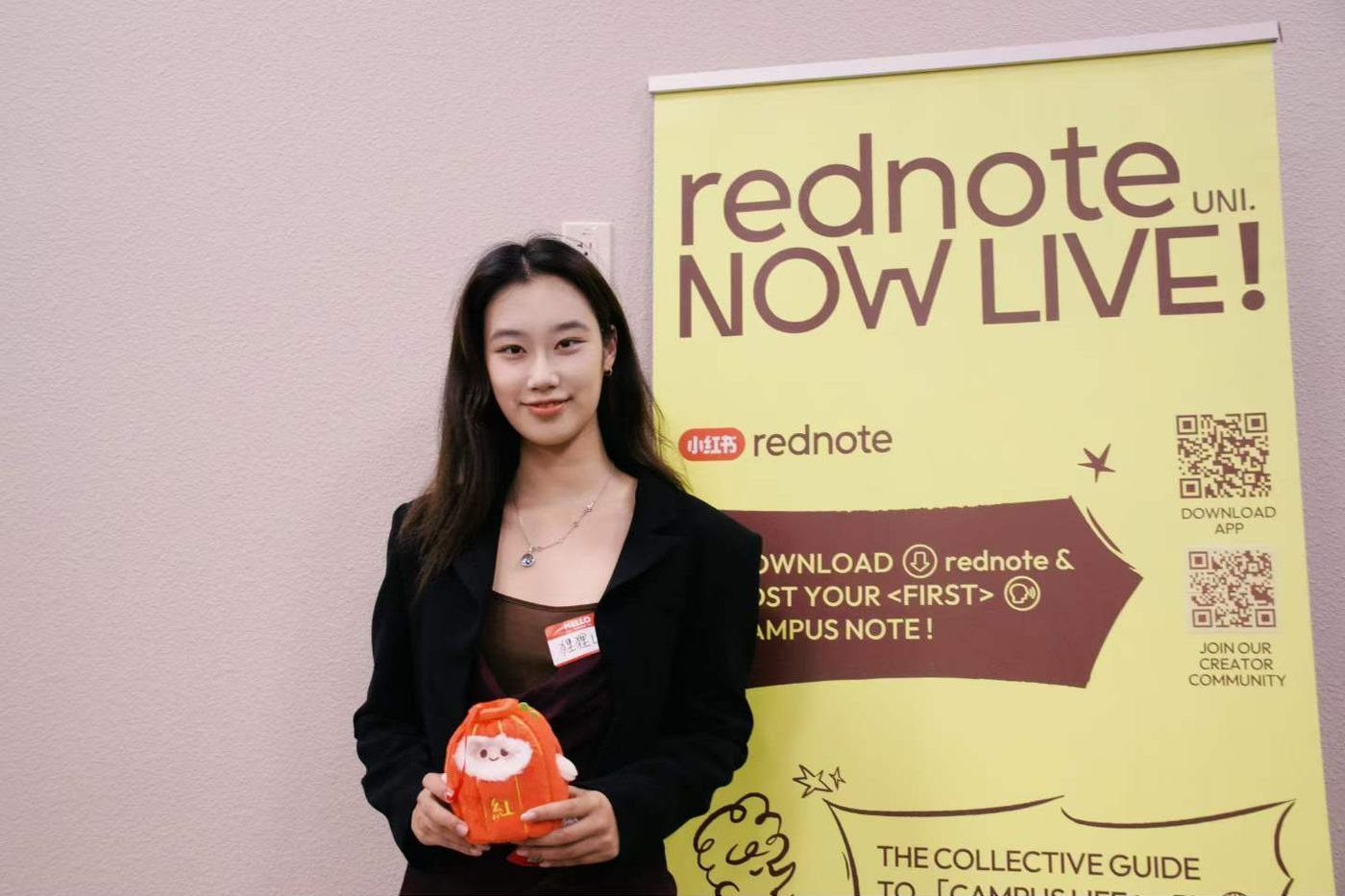
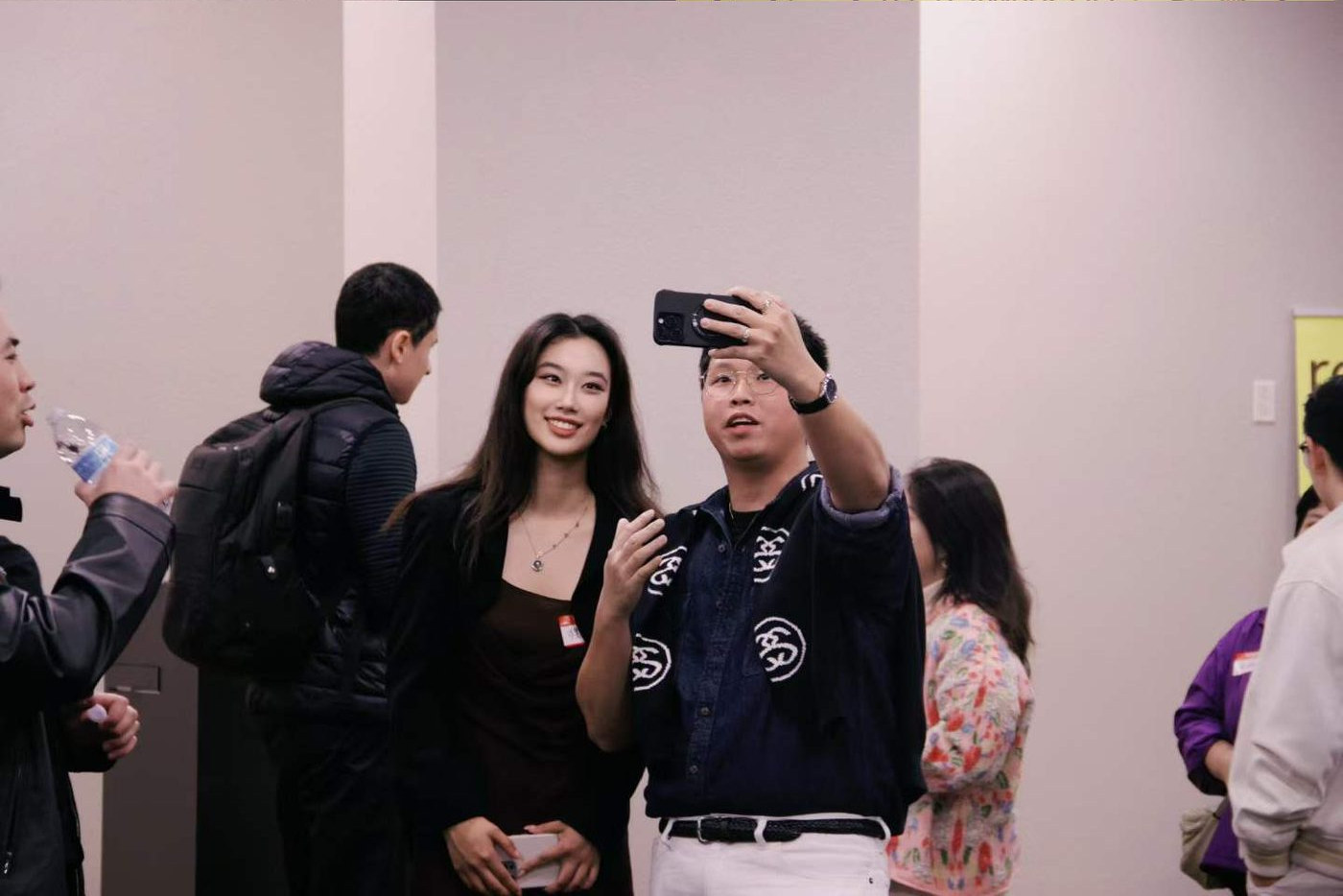
I most frequently create content for dazi and organizations/partnerships, but I also post casually on RedNote (xiaohongshu) of my thoughts and life. April 2026 I was invited by RedNote Official’s university series as a speaker to share on content creation as a University student
Experimenting
with ideas, mediums, and things I’ve never tried before
3D art
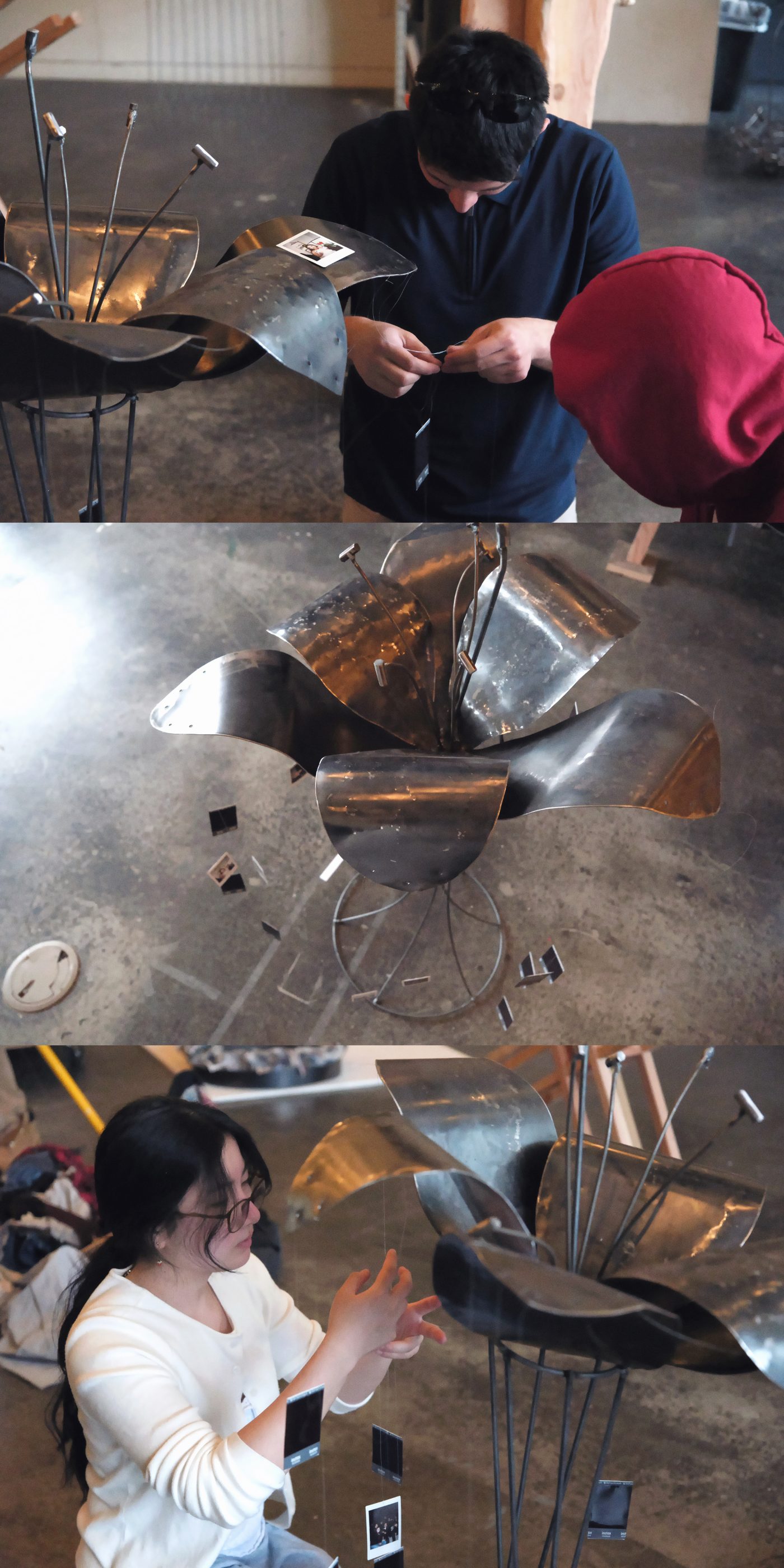
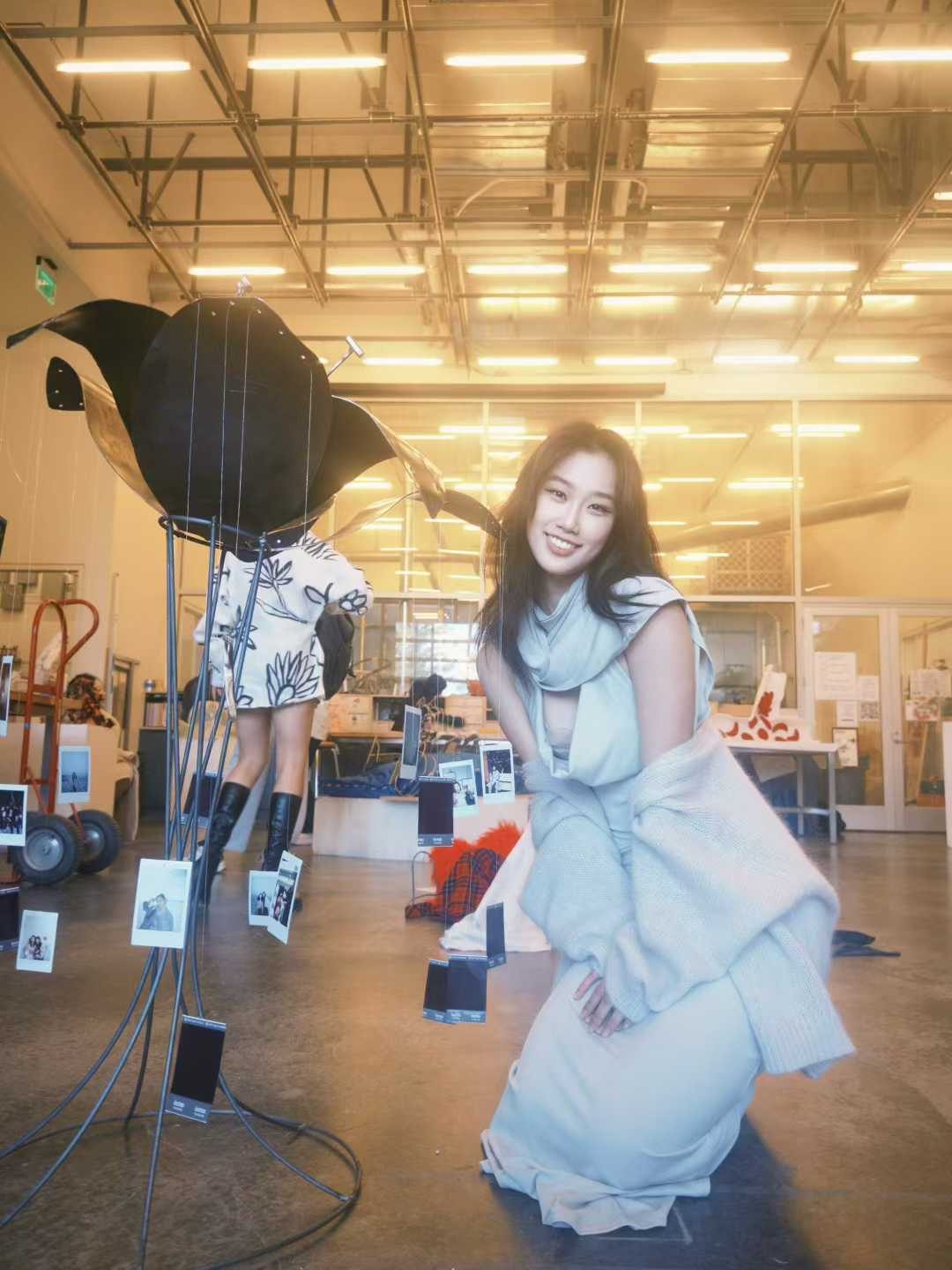
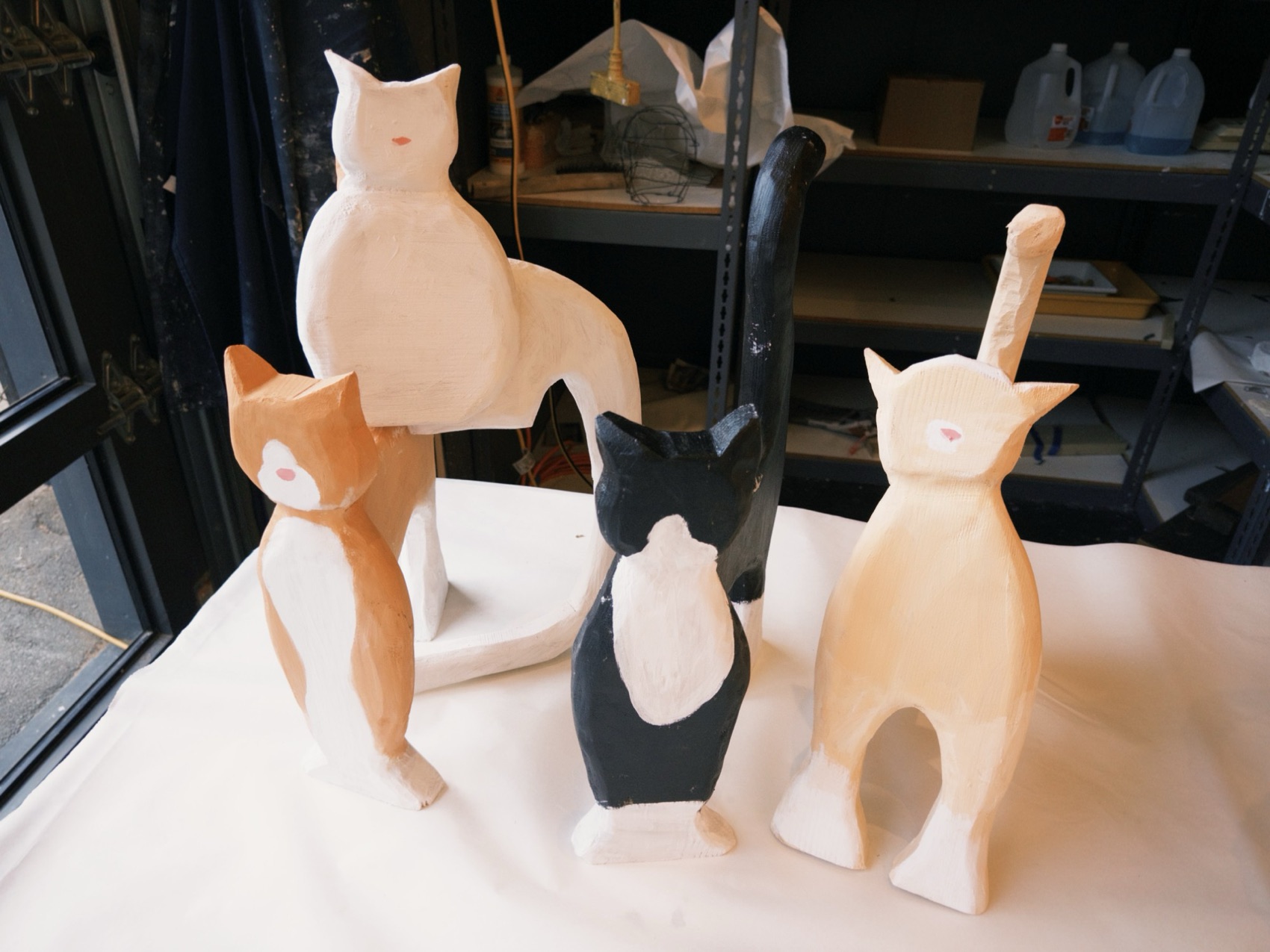
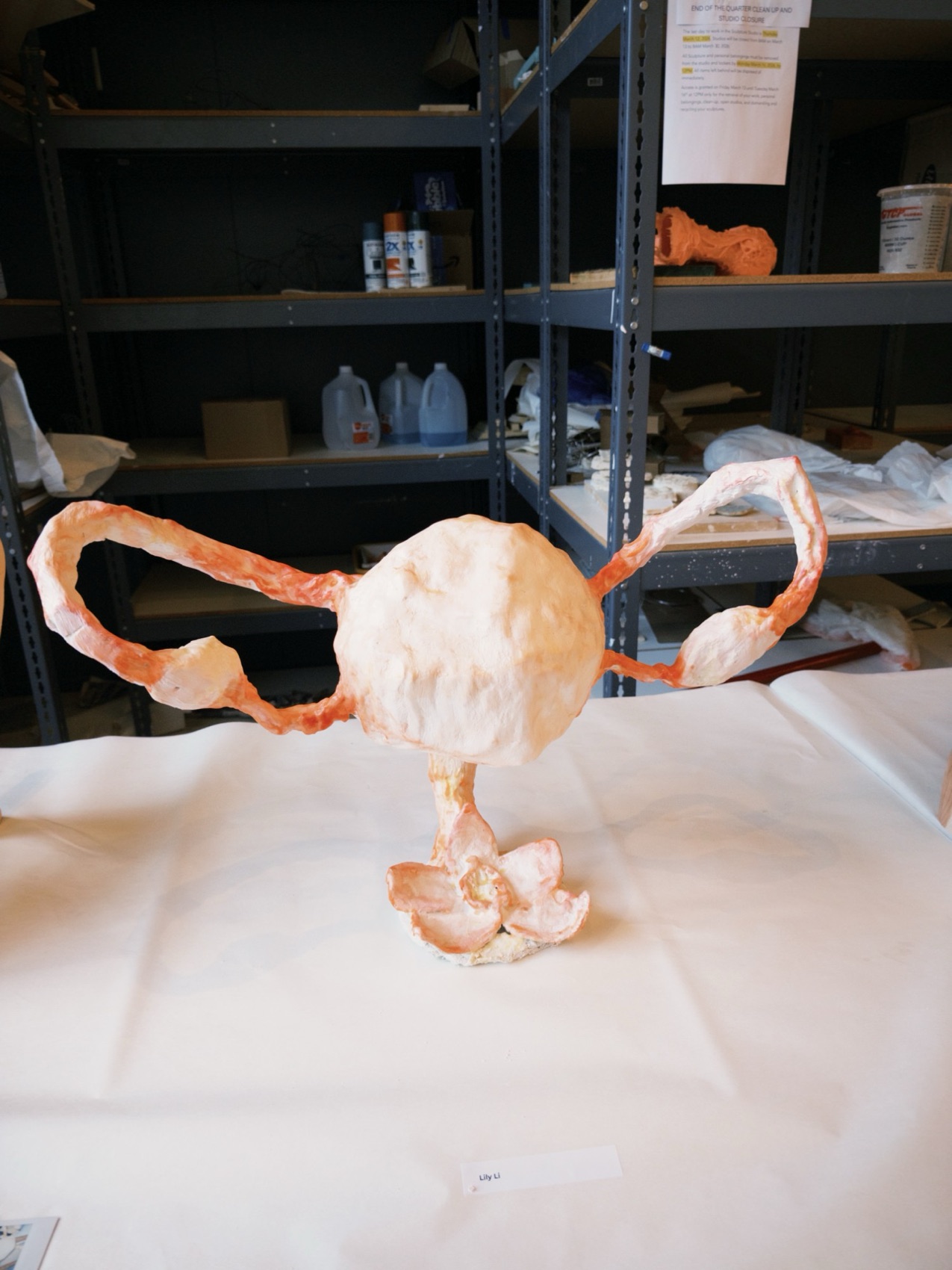
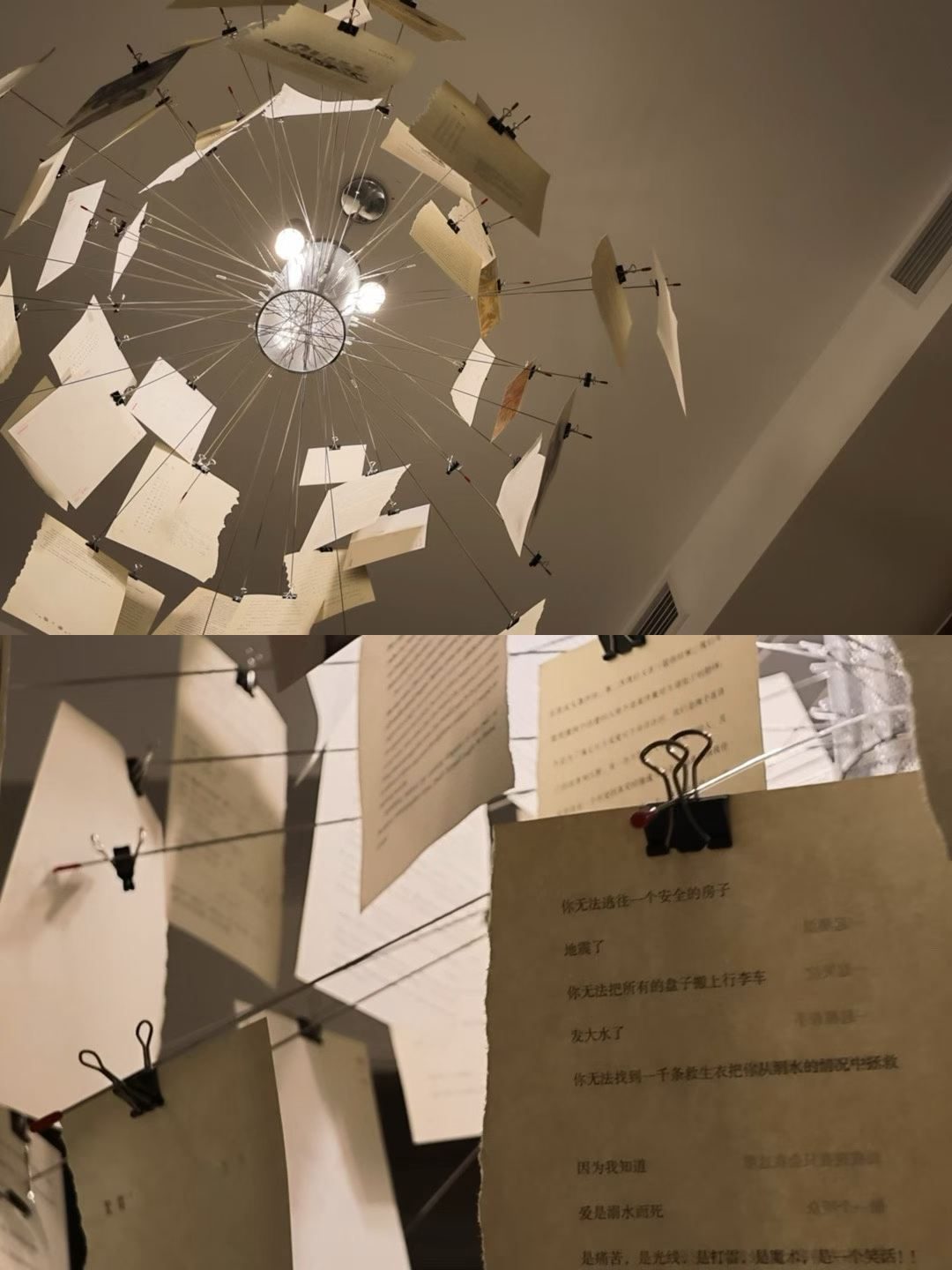
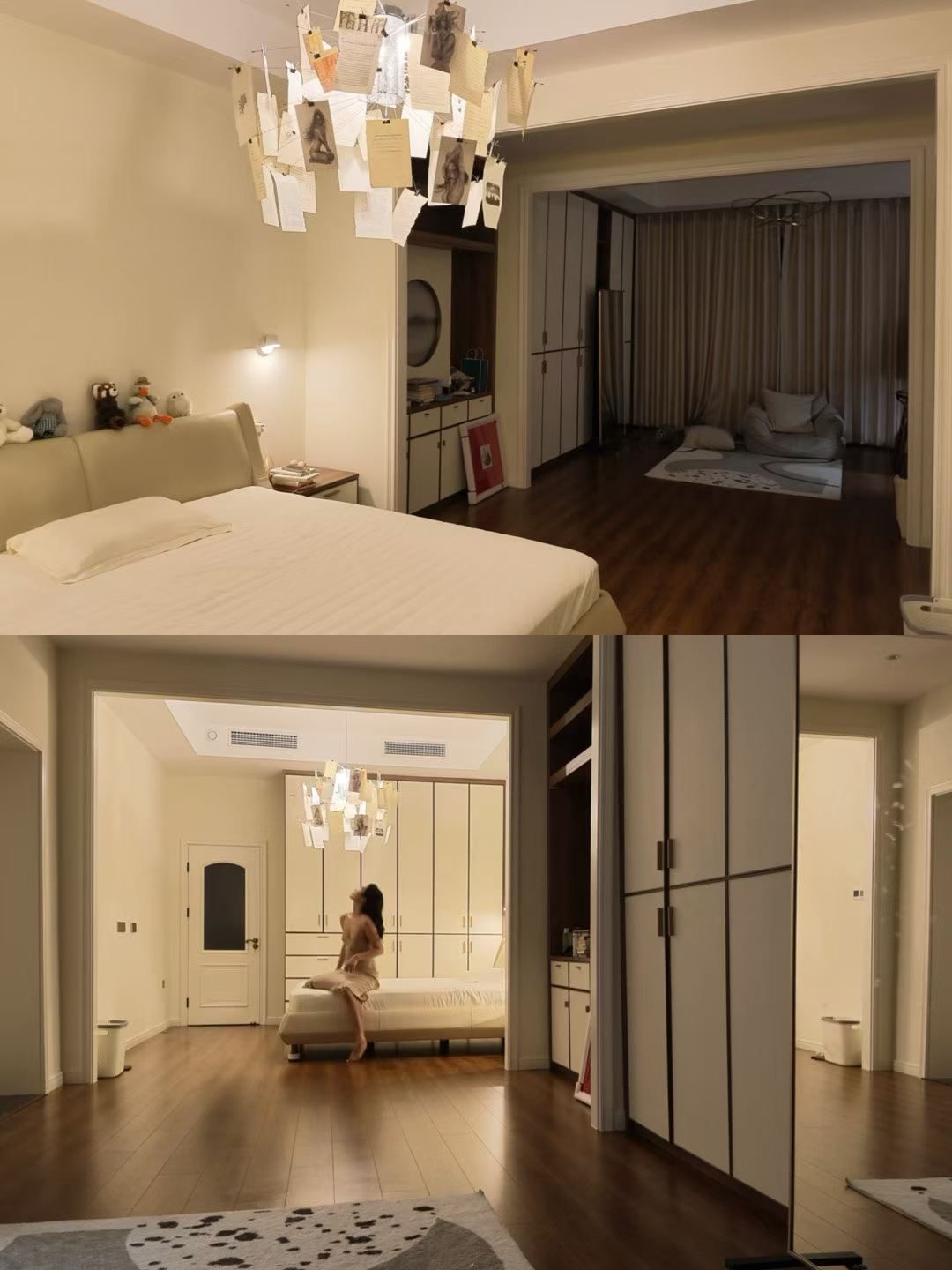
I love experimenting with different mediums of art! I love oil & acrylic painting, and recently fell in love with 3D art as well. Here are some of the sculptures I made after learning how to weld, plaster art, and wood sculpture. I also built a lamp for my room based on inspirations from Ingo Maurer.
Adventures
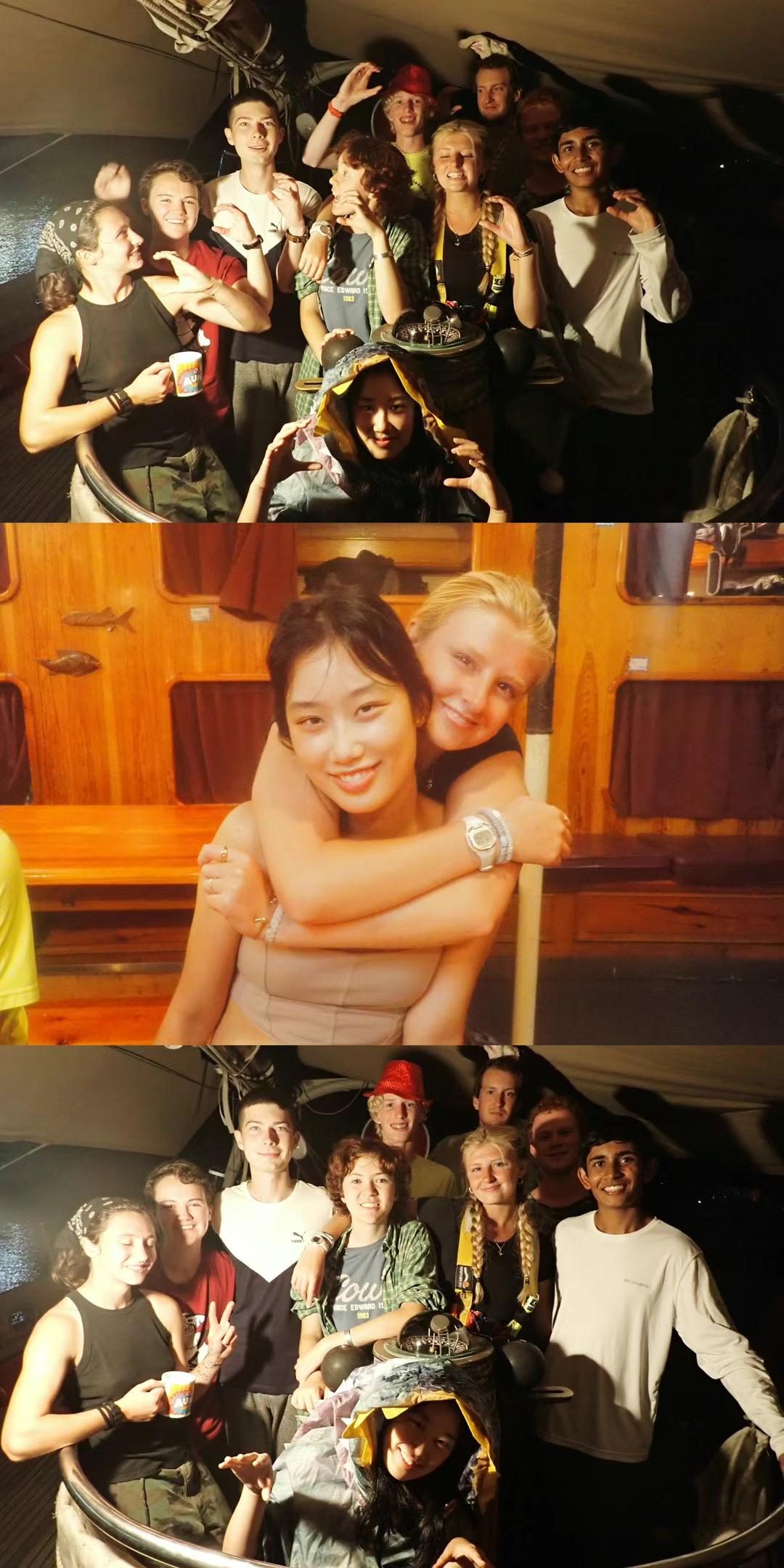
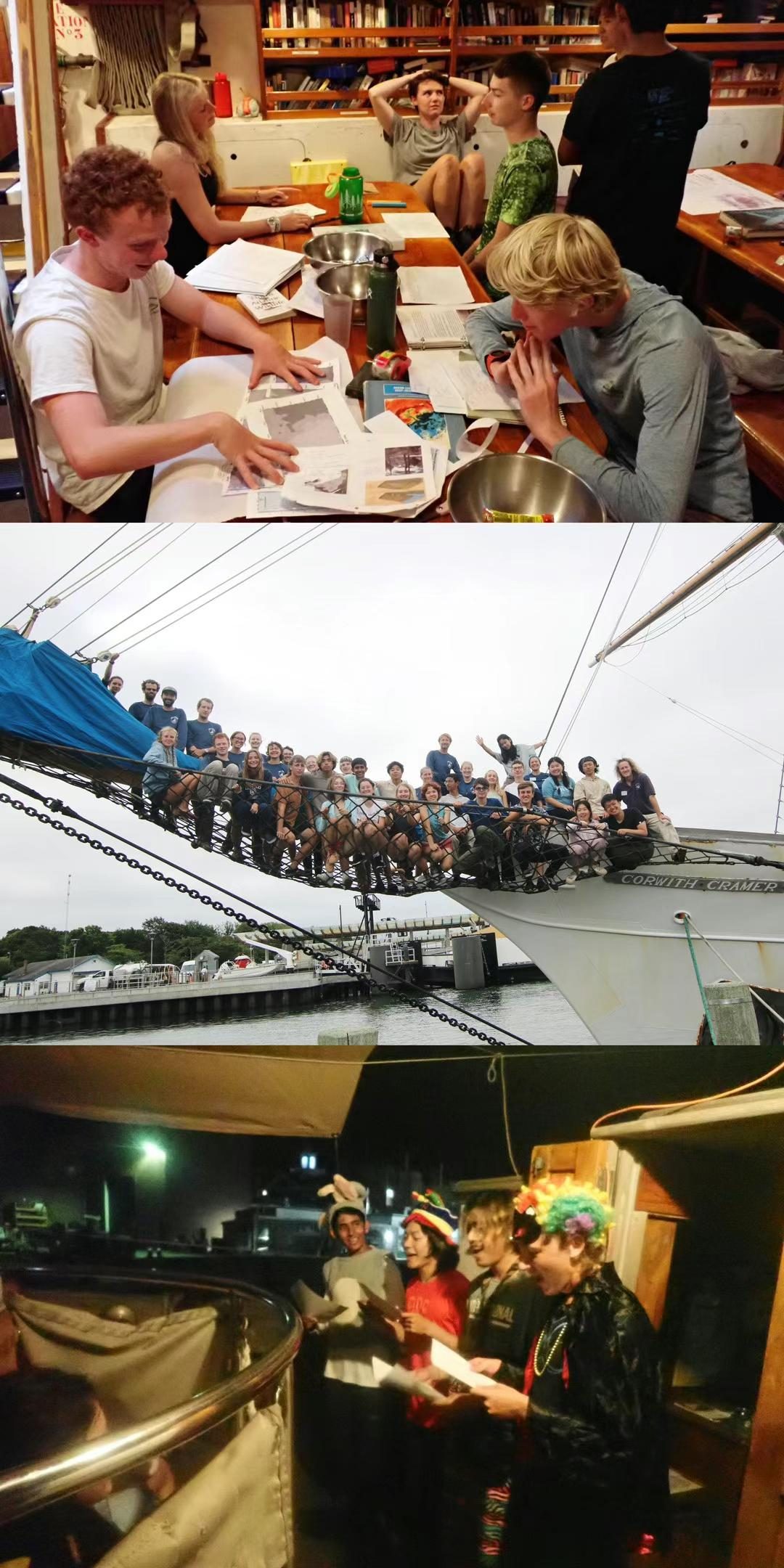
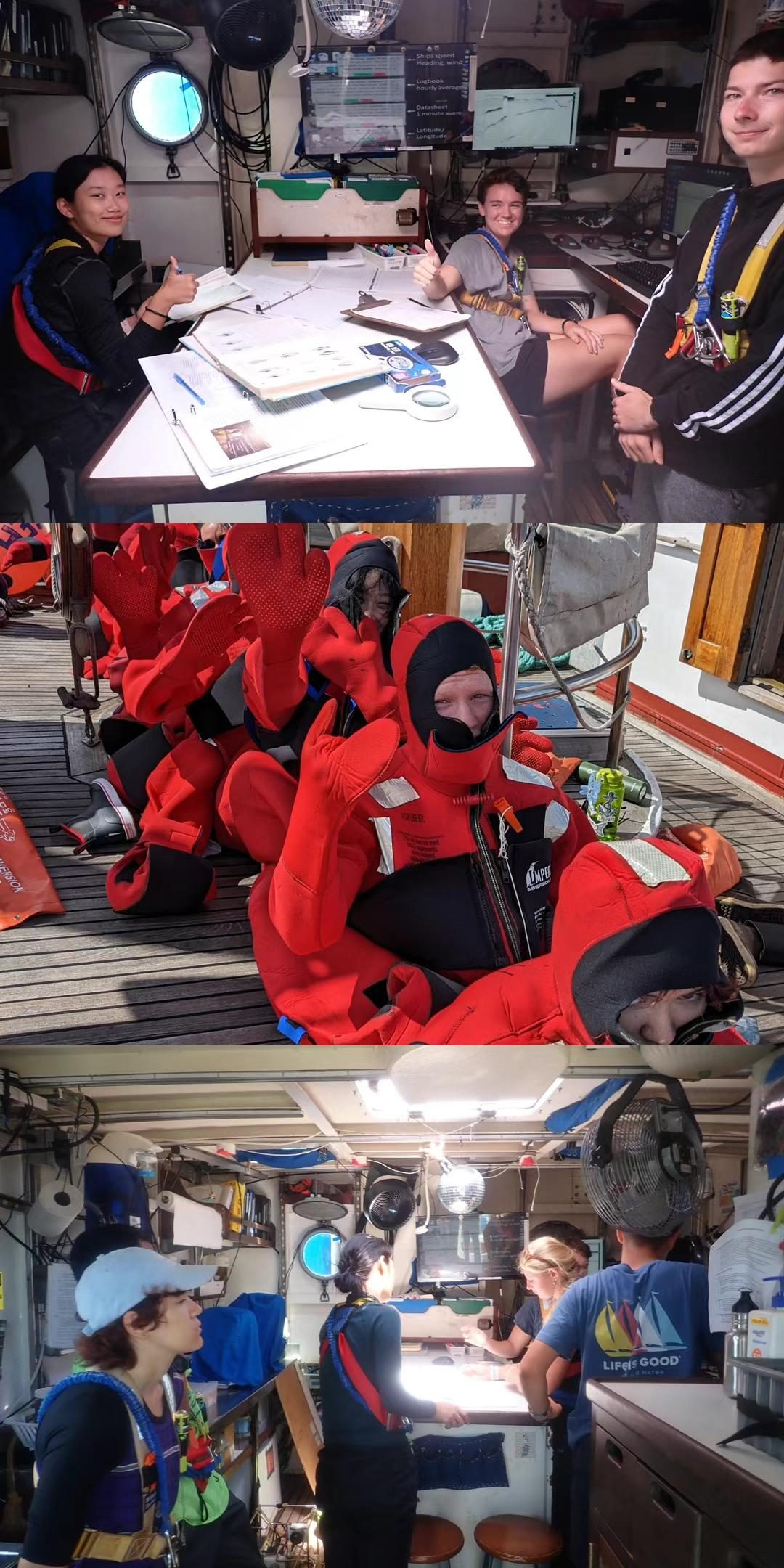
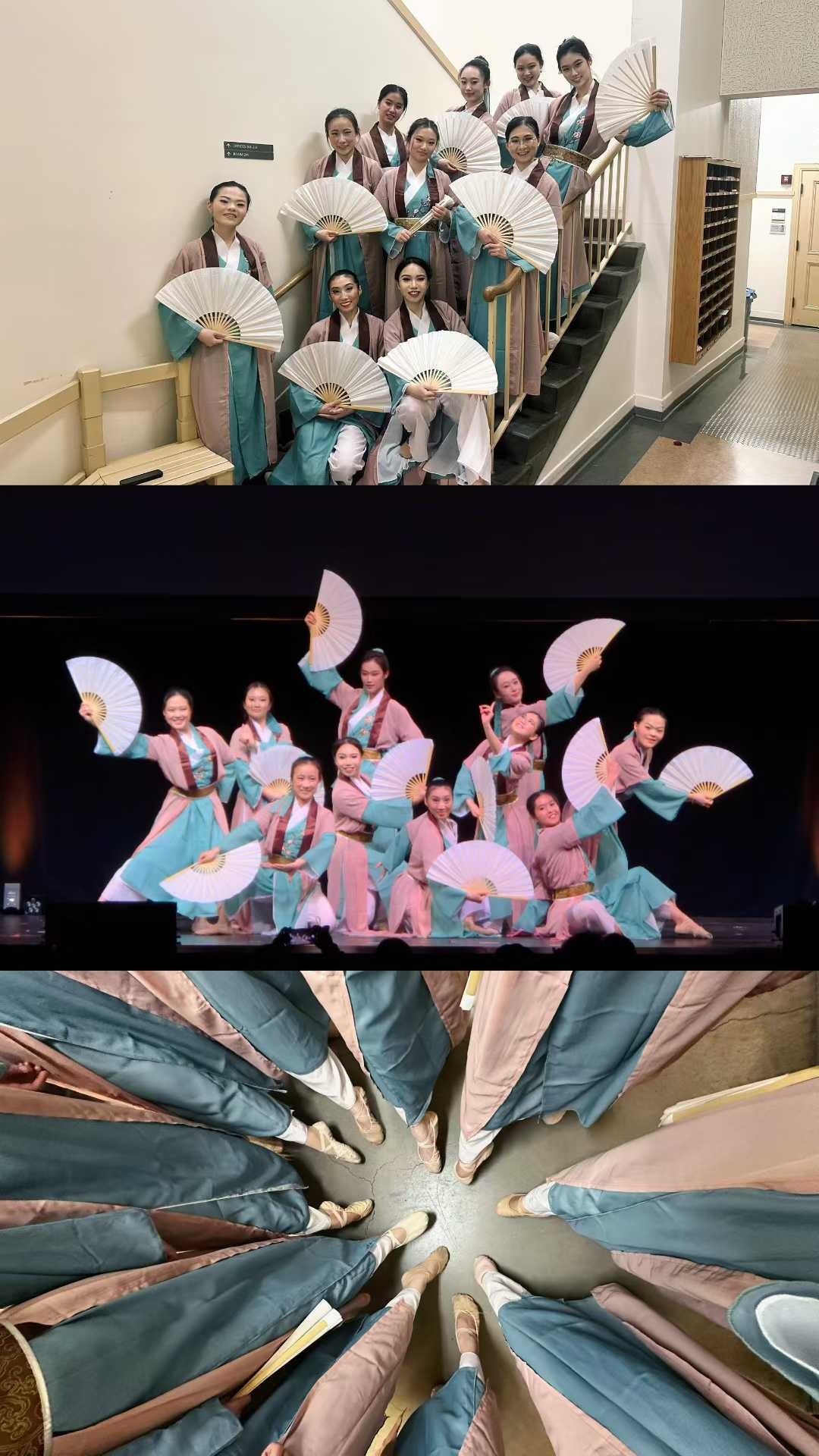
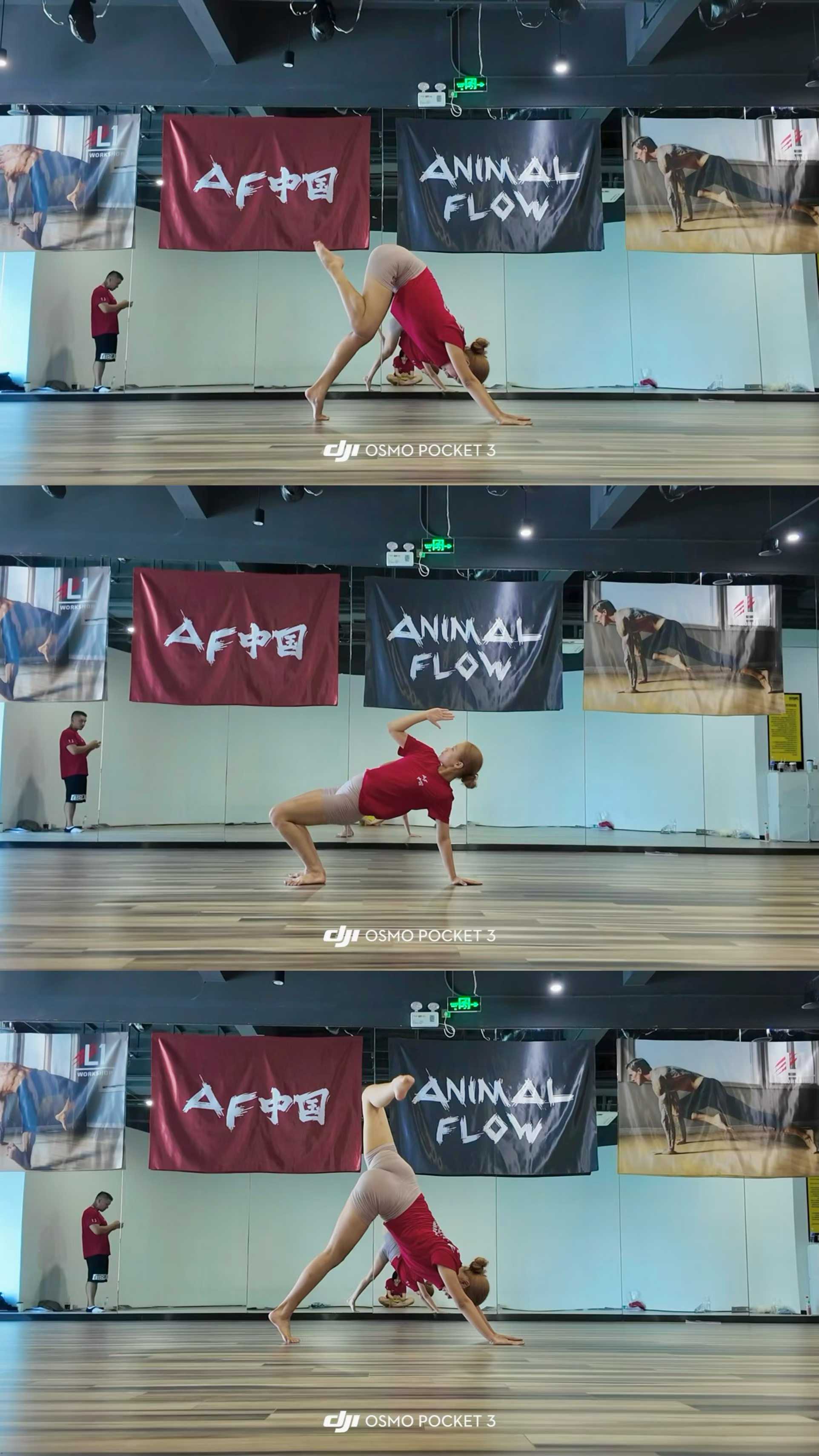
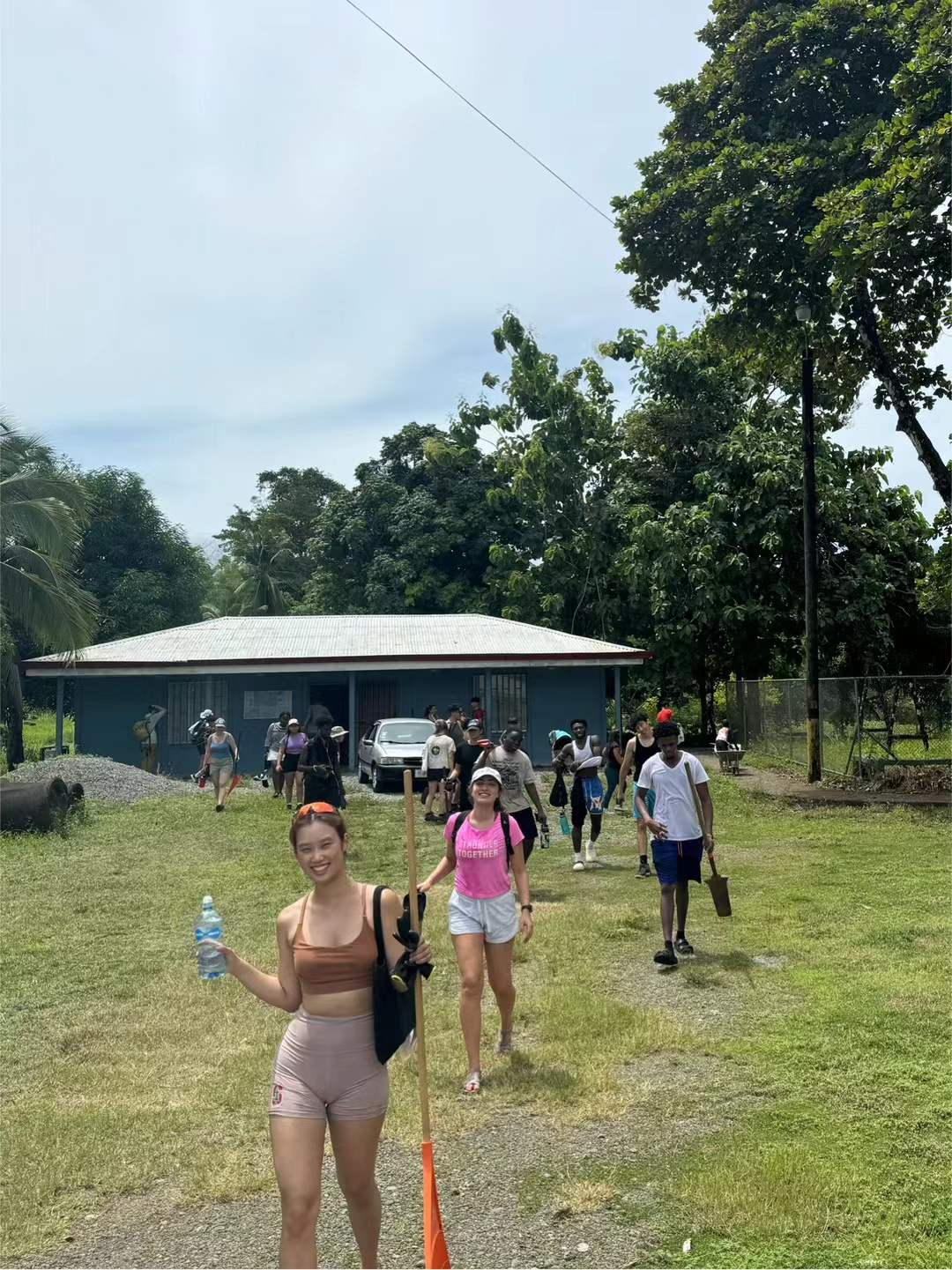
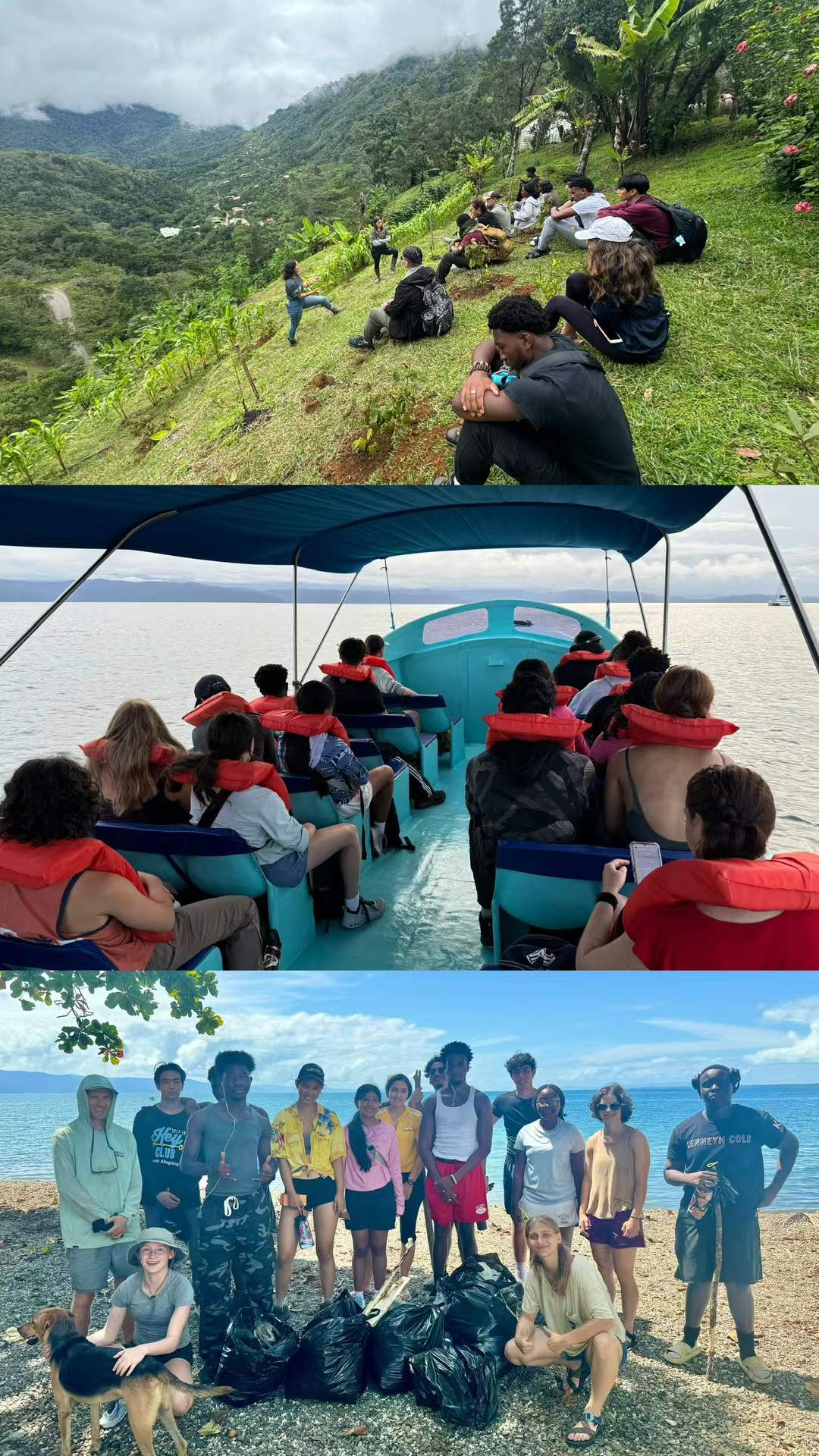
I would rather be bad at something new than comfortable doing one thing. I learned to sail and spent weeks living on a boat, I love dancing both in front of a big audience and in partners, I love side quests!